Top Tips for Choosing the Best Food Waste Treatment Machine?
In today’s world, managing food waste is a pressing challenge. According to the Food and Agriculture Organization (FAO), approximately one-third of all food produced globally is wasted. This not only exacerbates environmental issues but also contributes to economic losses. Investing in a reliable Food Waste Treatment Machine can significantly mitigate these concerns.
Expert Dr. Linda Green, a leading figure in waste management, emphasizes, “Selecting the right food waste treatment machine is critical for effective waste reduction.” Her insights highlight the importance of thorough evaluation before making a choice. Many businesses overlook essential features, leading to inefficiency.
A suitable Food Waste Treatment Machine should be both effective and user-friendly. Some products promise easy operation but fail in performance. Potential buyers must carefully assess the machines' capacity, processing time, and energy usage. Prioritizing these factors can lead to more sustainable waste management practices.
Understanding Different Types of Food Waste Treatment Machines
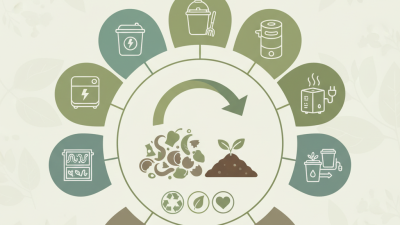
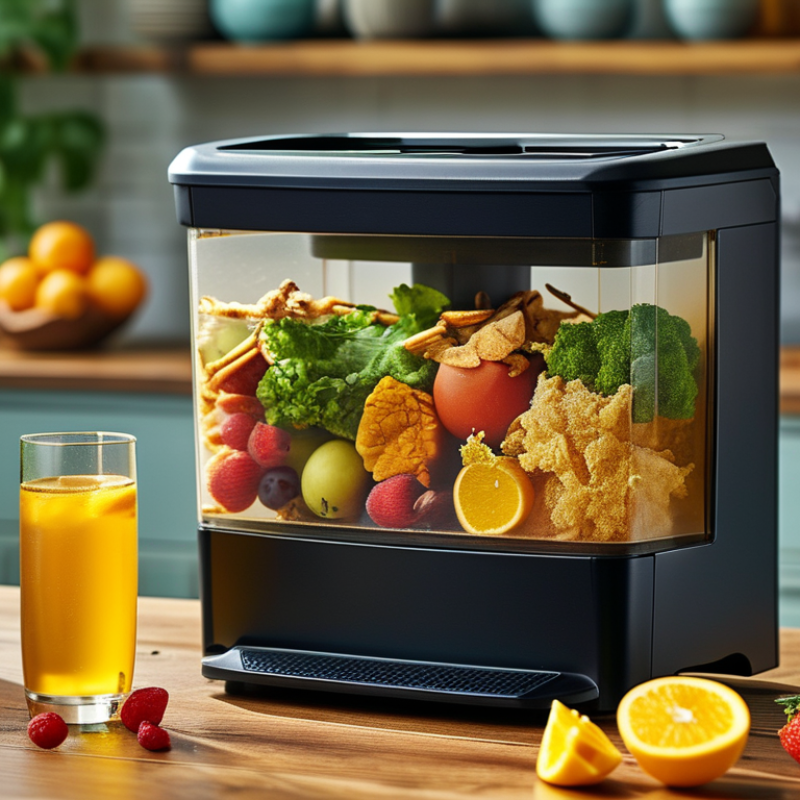
When selecting a food waste treatment machine, understanding the different types available is crucial. There are mainly three categories: aerobic composters, anaerobic digesters, and dehydrators. Aerobic composters rely on oxygen to break down organic waste. They are ideal for facilities that prioritize environmentally friendly solutions, as they produce nutrient-rich compost. According to a report from the Waste Management Association, these machines can reduce food waste volume by up to 50% within weeks.
On the other hand, anaerobic digesters operate without oxygen. They convert food waste into biogas, which can be used for energy. This type of machine is increasingly popular in large-scale operations. The Environmental Protection Agency indicates that this process can save up to 30% in energy costs from traditional waste disposal methods. However, anaerobic digesters require a large upfront investment and knowledge of system management.
Lastly, dehydrators use heat to reduce food waste moisture levels. They can convert waste into lightweight material for easier transportation. This option is often overlooked but crucial for urban settings with space limitations. It’s essential to weigh the operational costs against benefits. Each type has its pros and cons, necessitating careful consideration based on specific needs and resources. Food waste management is not just a technical choice; it also reflects a commitment to sustainability.
Top Tips for Choosing the Best Food Waste Treatment Machine
| Type of Machine |
Processing Capacity (kg/day) |
Energy Efficiency |
Noise Level (dB) |
Cost (USD) |
| Composting Machine |
100 |
High |
50 |
$1,200 |
| Anaerobic Digester |
500 |
Medium |
70 |
$150,000 |
| Food Waste Grinder |
200 |
Low |
80 |
$5,000 |
| Dehydrator |
300 |
High |
65 |
$15,000 |
Evaluating the Efficiency and Capacity of Treatment Machines
When selecting a food waste treatment machine, understanding efficiency and capacity is crucial. Efficiency refers to how well a machine converts organic waste into usable products, such as compost or energy. A high-efficiency machine should process food waste quickly. Look for models that offer quick cycle times. Also, consider their energy consumption. Machines that use less energy and deliver more output are often better choices.
Capacity is another vital factor. A machine's capacity should match your waste generation. If you generate a lot of food waste, opt for larger units. Conversely, smaller operations may need compact machines. Assess the size and frequency of your waste disposal needs. Some machines may struggle with volumes they are not designed for, leading to blockages or inefficiencies.
It's important to reflect on your long-term goals. Are you aiming for zero waste? Or is minimizing waste suffice? Choices can vary greatly. What works in one scenario might not fit another. This reflection can help you select a machine that aligns with your aspirations. Be prepared to adjust your choice based on real-world performance and feedback.
Assessing the Environmental Impact of Food Waste Solutions
Assessing the environmental impact of food waste solutions is crucial. Food waste generates significant greenhouse gas emissions when it decomposes in landfills. These emissions contribute to climate change, making effective treatment methods important. Different technologies exist, but not all are equal in their environmental footprint.
Consider composting, which transforms waste into nutrient-rich soil. It's a simple process. However, it may require space and time. Anaerobic digestion is another option. It processes waste into biogas. While it reduces methane emissions, it's energy-intensive. Evaluating these options involves not just effectiveness, but also local resources and community needs.
Sustainability often feels like an uphill battle. New technologies promise efficiency, yet they may overlook local ecosystems. Relying solely on advanced machinery without considering environmental context can lead to unintended consequences. Finding the right fit for a community means understanding its unique challenges and strengths.
Considering Cost and Maintenance in Machine Selection
When selecting a food waste treatment machine, cost and maintenance are crucial factors to consider. The initial purchase price can vary significantly between models. It's essential to analyze your budget carefully. While a cheaper machine may seem appealing, it might incur higher maintenance costs later. Research estimated operational costs over time. Inspecting warranties is also valuable; longer warranties can indicate reliability.
Maintenance requirements can sometimes be overlooked. Machines that are challenging to clean or require frequent repairs can become burdensome. Consider looking for machines with easily accessible components. This feature can save time and labor costs. Regular maintenance checks should not feel like a chore.
Here are a few tips: Evaluate how user-friendly the machine is. Consider its technological features and energy efficiency. Machines with advanced functions may simplify operations. Lastly, creating a maintenance schedule can help in reducing unexpected repair costs.
Top Tips for Choosing the Best Food Waste Treatment Machine
This bar chart represents the importance ratings of various criteria when selecting a food waste treatment machine. Each criterion is rated on a scale from 1 to 10, highlighting the emphasis on cost, maintenance, capacity, efficiency, and user-friendliness in the decision-making process.
Identifying Features That Enhance User Convenience and Safety
When selecting a food waste treatment machine, user convenience and safety are paramount. One crucial feature is the noise level. Studies show that machines emitting below 60 dB significantly enhance user experience. Low noise levels ensure that environments remain comfortable, especially in residential settings or open kitchens. It's essential to check for certified low-noise models.
Safety features are equally important. Many machines now include overload protection and automatic shut-off mechanisms. Reports indicate that these features reduce accidents, enhancing user trust. A recent survey found that 70% of users prioritize safety features when making a purchase. Simple design, with easy-to-understand interfaces, matters as well. Clear controls reduce the chances of misuse.
You may find that some machines, despite having advanced technology, can be cumbersome to use. Potential buyers sometimes overlook user-friendliness in favor of high-tech solutions. Compatibility with composting practices is another aspect worth considering. Ensuring the equipment supports environmental initiatives can feel overwhelming but is crucial. With the right research and focus on these features, one can make an informed decision.

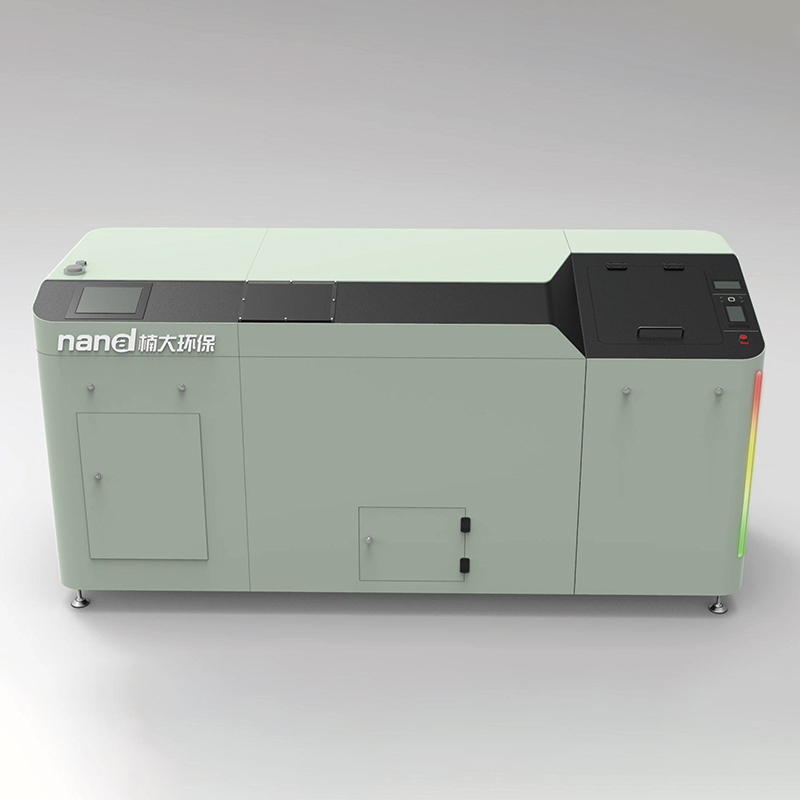 Nanda Trans Series-200
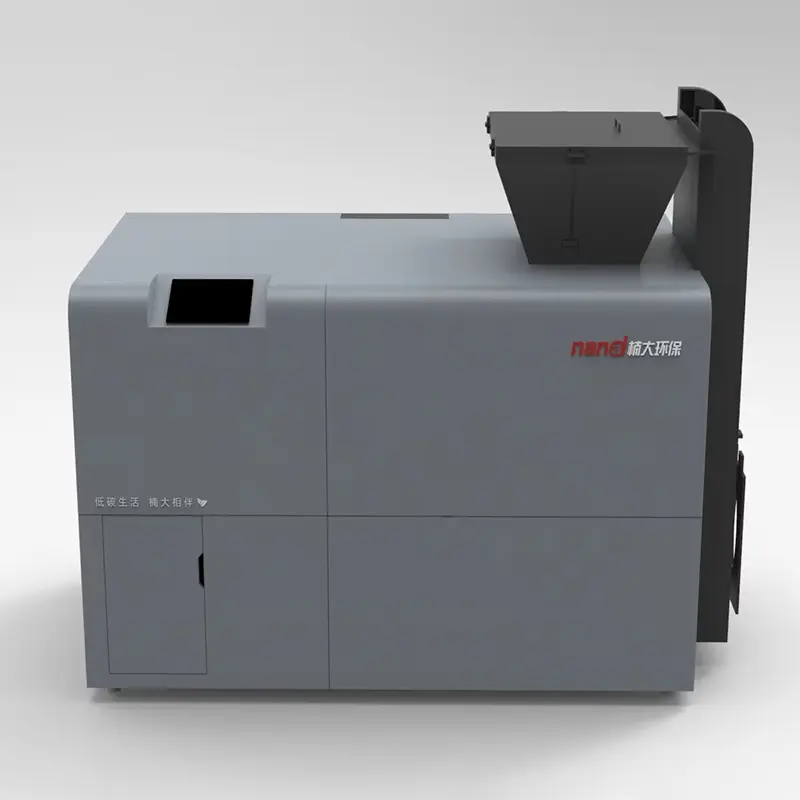 Nanda Trans Series-500
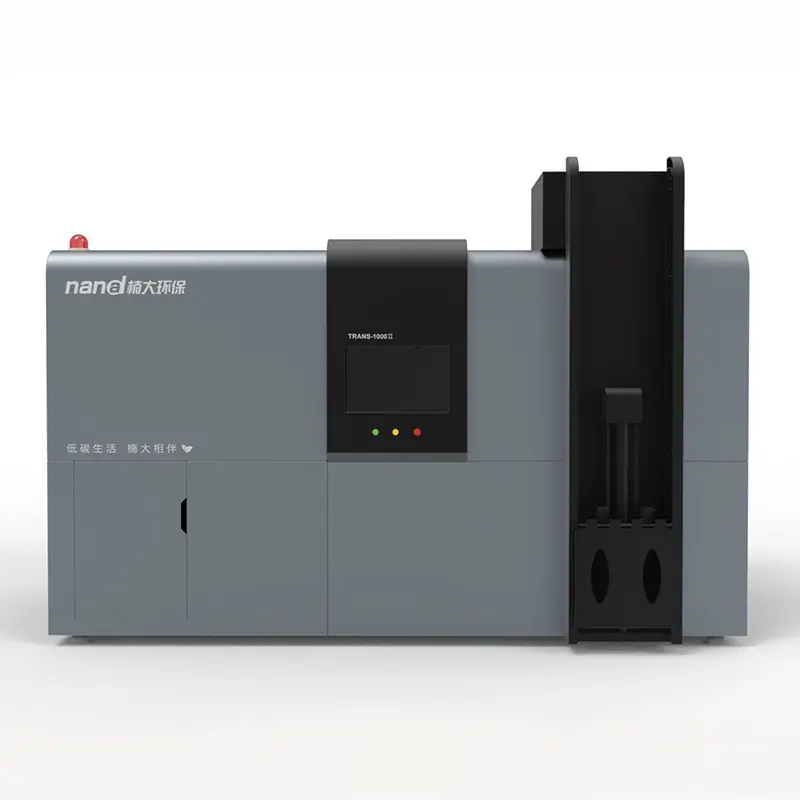 Nanda Trans Series-1000
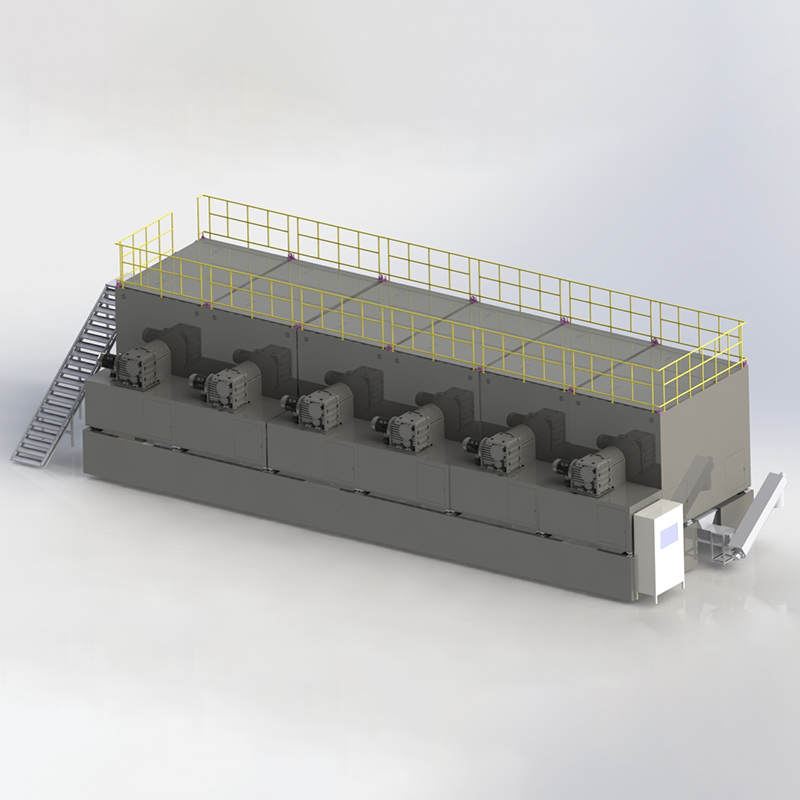 Nanda Trans Series-30000
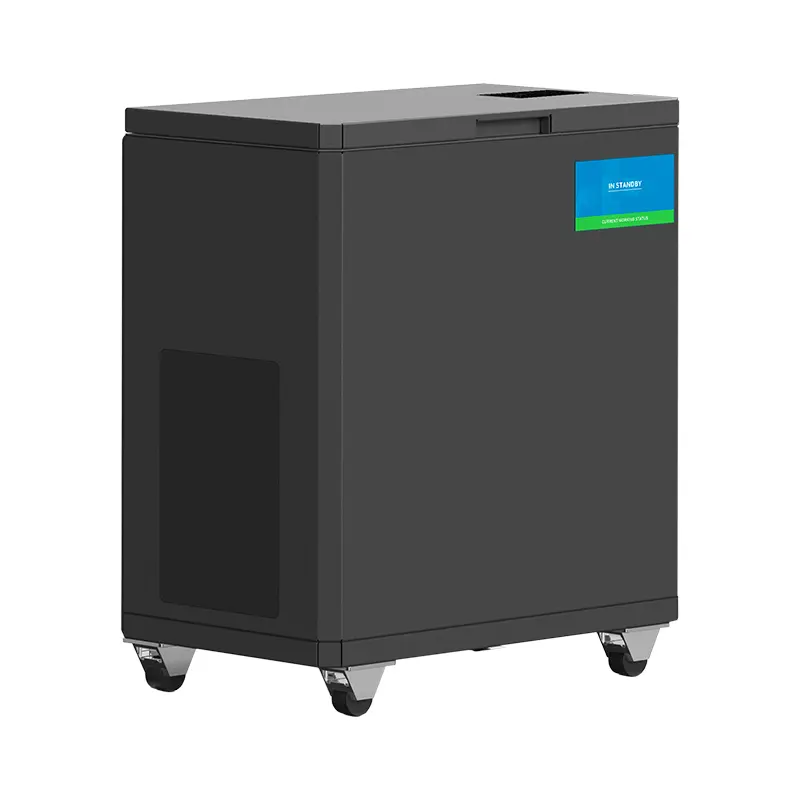 Nanda Thermax Series-100
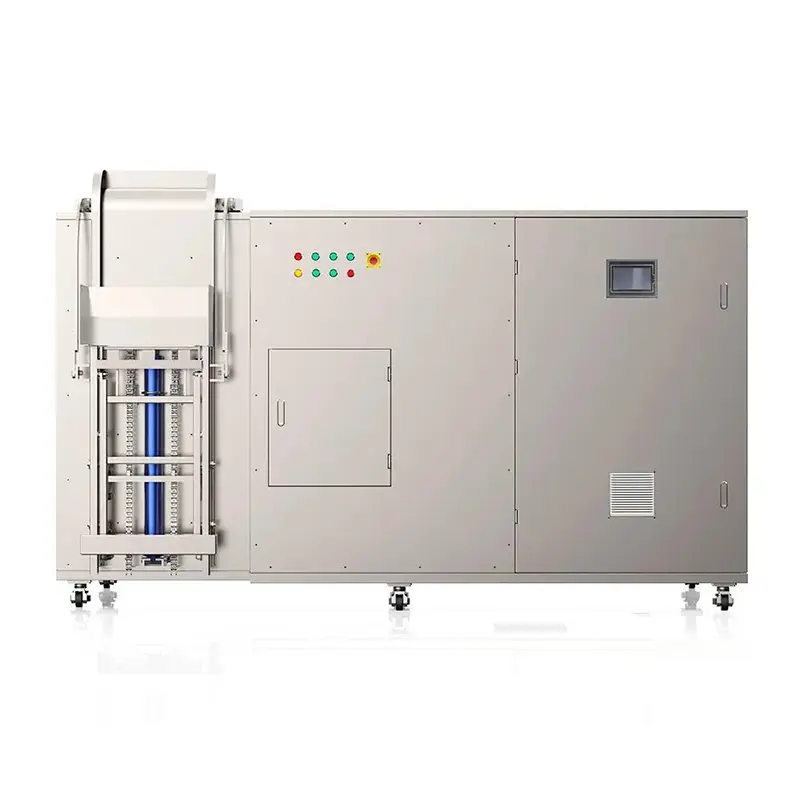 Nanda Thermax Series-200
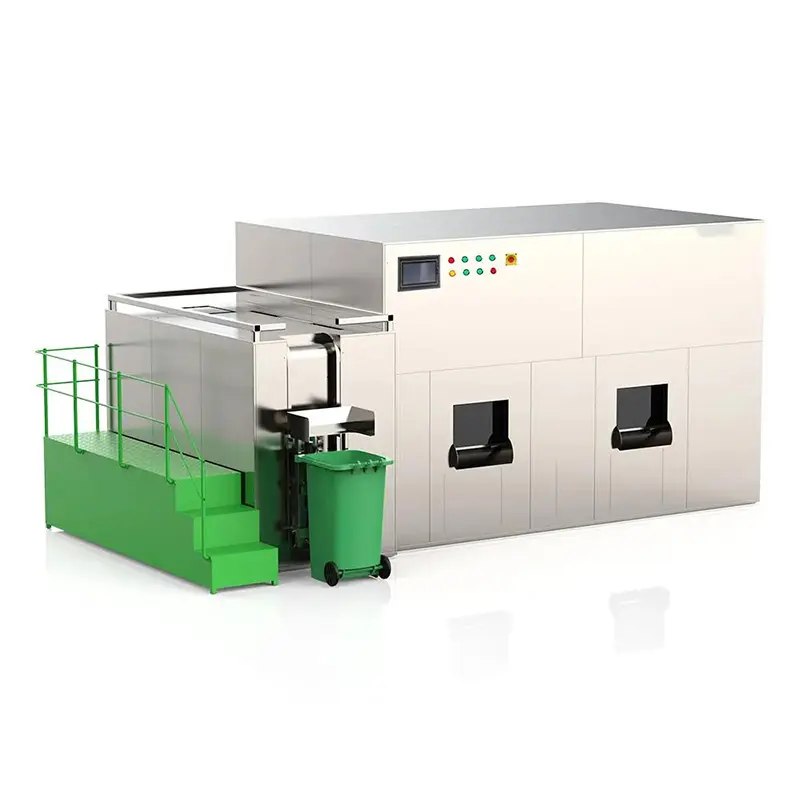 Nanda Thermax Series-2000
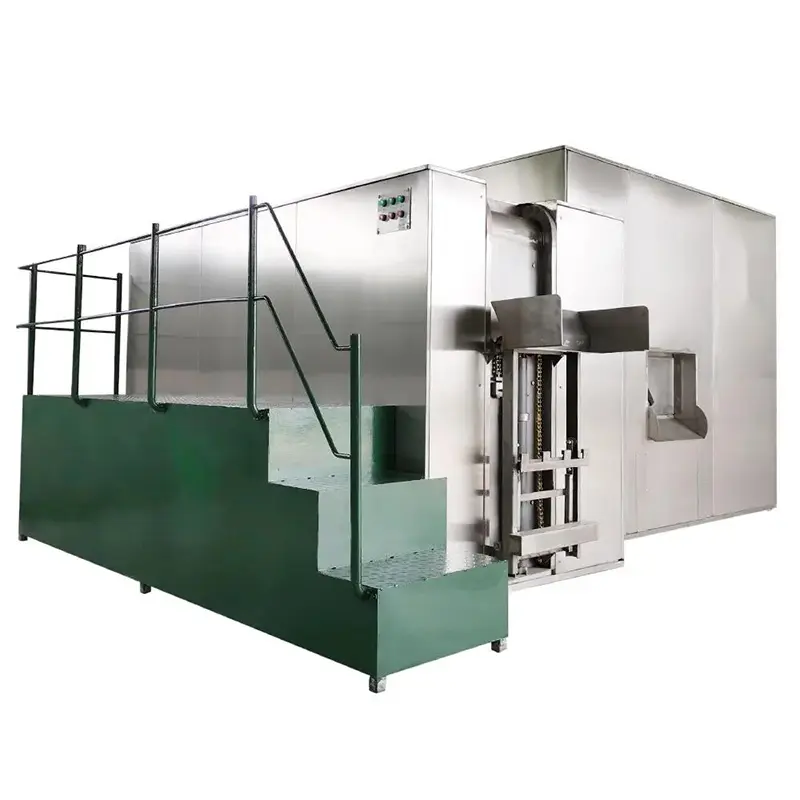 Nanda Thermax Series-10000
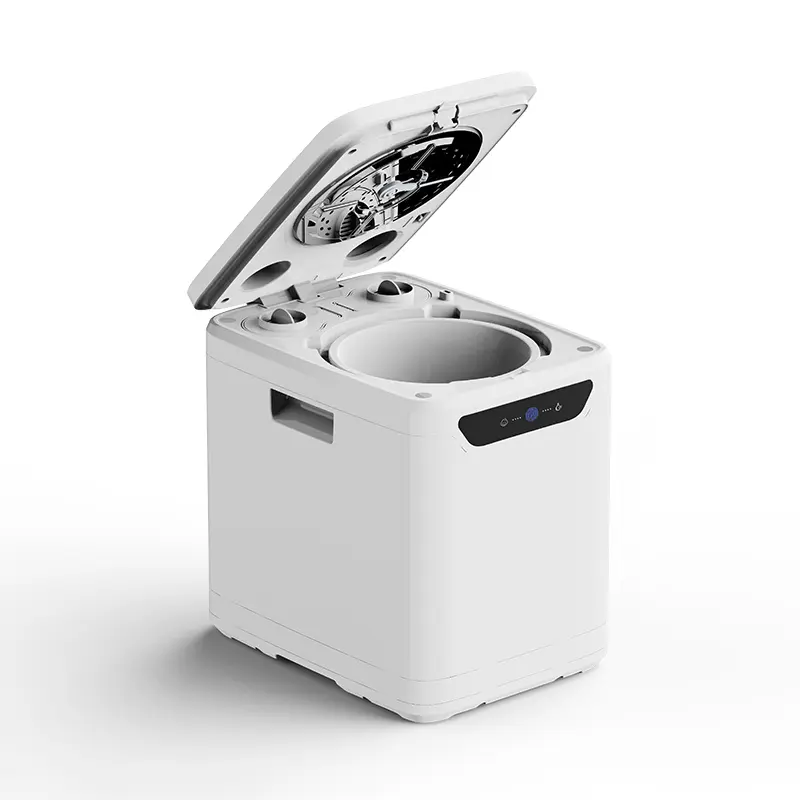 Nanda Turbo Series-3.5L-016
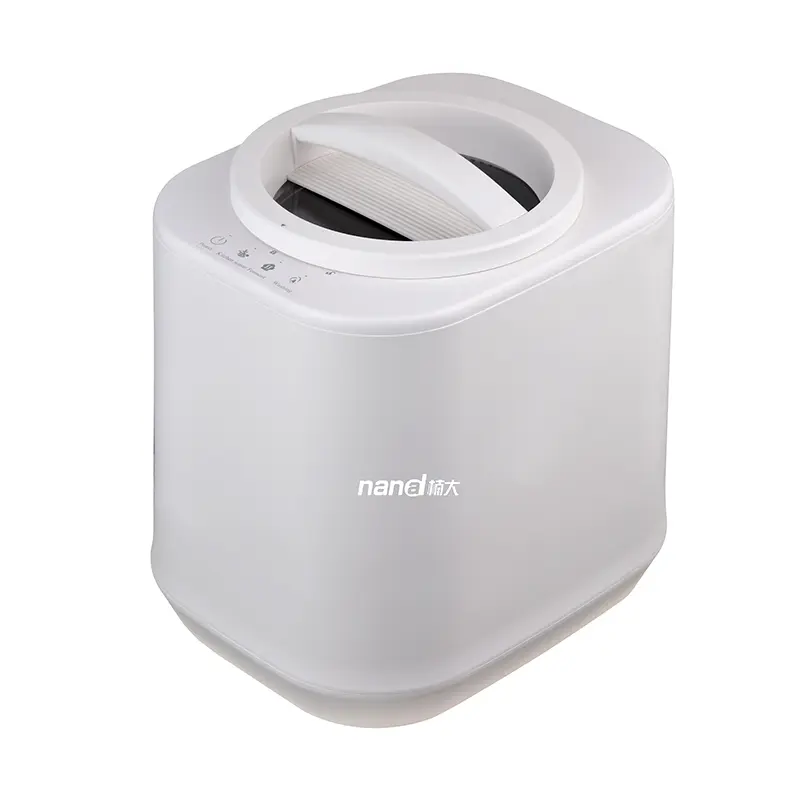 Nanda-Turbo Series-4L-011
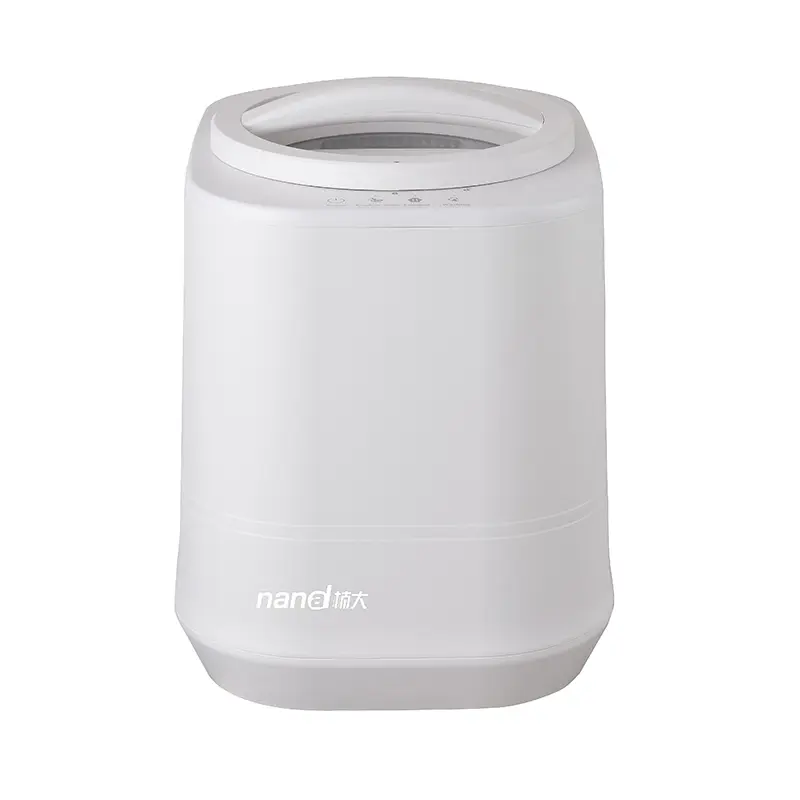 Nanda Turbo Series-4L-012
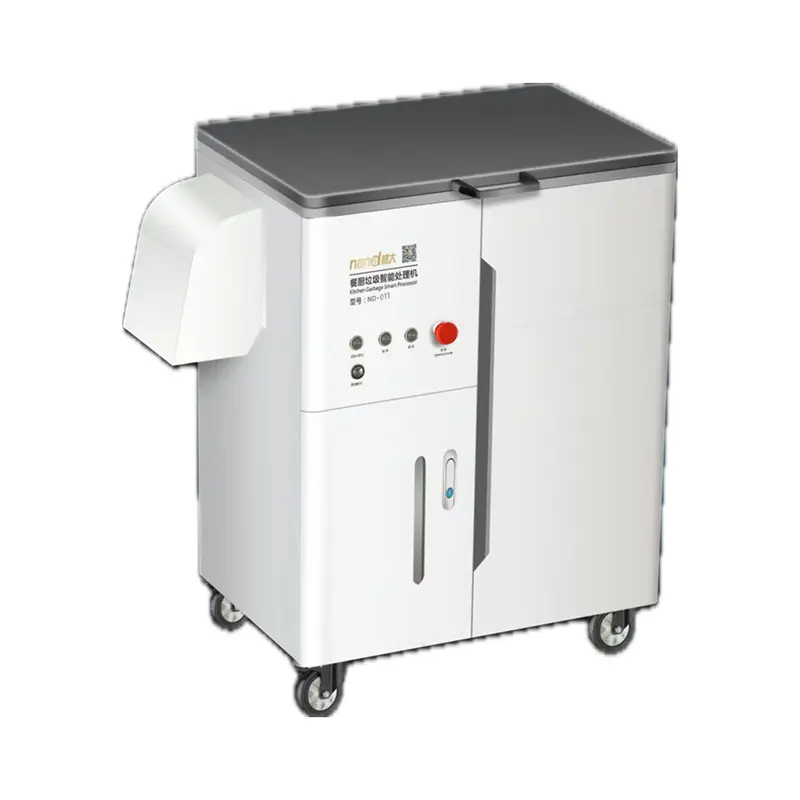 Oil-Water Separator