Top Countertop Composter Solutions for Eco-Friendly Living?
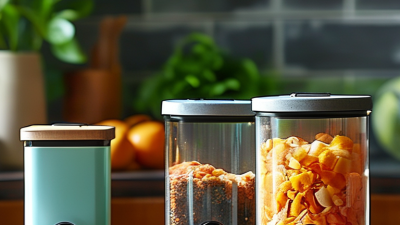
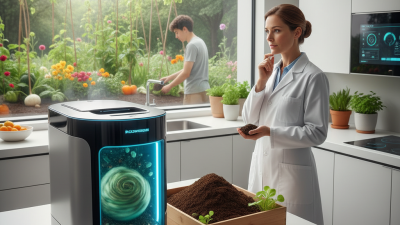
In the pursuit of eco-friendly living, countertop composters have emerged as practical solutions for urban dwellers. These devices transform kitchen scraps into nutrient-rich compost, reducing waste and promoting sustainability. Leading expert Dr. Jane Green, an environmental scientist, emphasizes, "A countertop composter empowers individuals to take charge of their waste and nurture the Earth."
This sentiment underscores the connection between personal responsibility and environmental impact. Many people overlook the benefits of composting at home. Countertop composters offer an easy way to recycle organic materials effortlessly. They fit seamlessly into modern kitchens, allowing for daily waste management without hassle.
However, not all countertop composters meet user expectations. Some may struggle with odors or lengthy processing times. Choosing the right model requires understanding individual needs and preferences. Exploring various options can be enlightening and help refine one’s composting journey. Embracing this practice can lead to significant environmental benefits, but it also demands commitment and care.
Overview of Countertop Composter Solutions for Sustainable Living
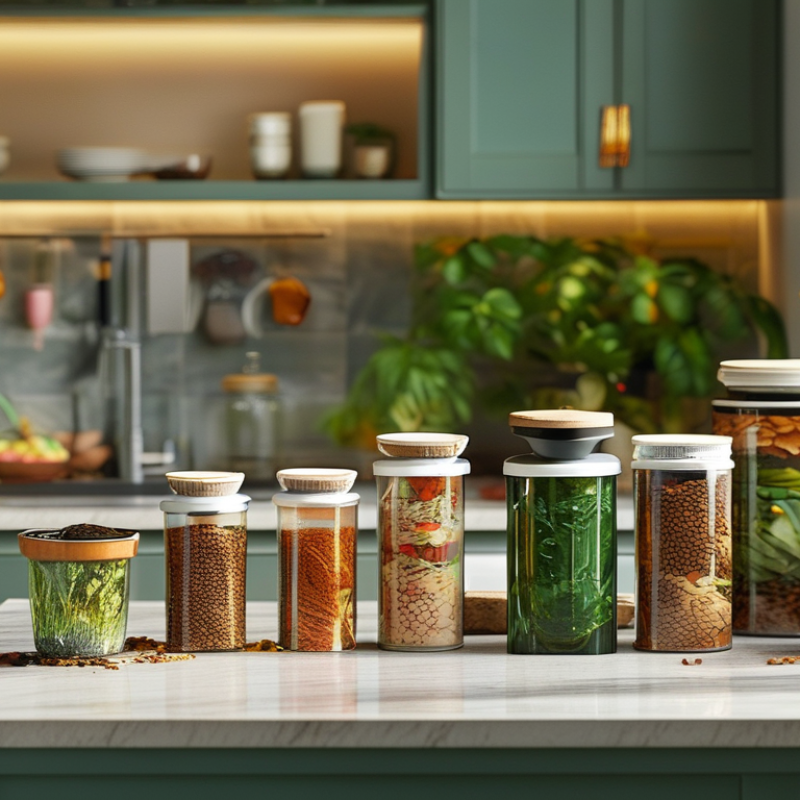
Countertop composters are becoming essential for those seeking sustainable living solutions. They allow individuals to recycle kitchen scraps effectively. These compact units fit easily on a kitchen counter or under the sink. Their design often includes airtight lids and odor-control systems, addressing common concerns about composting at home. Many users appreciate the convenience of composting everyday waste without taking up too much space.
One of the significant benefits of countertop composters is their speed. They can break down food waste quicker than traditional composting methods. However, it may take some trial and error to get the right balance of greens and browns. Not every type of waste decomposes effectively in these units, which can leave users frustrated.
Choosing the right composter can feel daunting. Many options range from electric models to simple, non-electric solutions. Each has its pros and cons, impacting efficiency and ease of use. It’s important to understand personal needs and living situations before making a decision. Sometimes, what seems like a perfect fit may not work as expected, leading to a learning experience in composting habits.
Benefits of Using a Countertop Composter for Eco-Friendly Practices
Using a countertop composter brings numerous benefits to eco-friendly living. These compact systems allow you to recycle kitchen waste easily. Instead of tossing scraps in the trash, you can transform them into nutrient-rich compost right at home. This reduces landfill waste and minimizes your carbon footprint. The smell is often less of an issue than people fear. With proper maintenance, odors can be controlled effectively.
Countertop composting encourages mindfulness about food waste. It prompts you to think about what you throw away. You may even change your buying habits, opting for fresher produce. The compost produced can enrich your garden or potted plants. Watching your waste turn into valuable compost is rewarding. It's a tangible way to see your impact on the environment.
However, not every composting experience is smooth. There can be challenges, like managing moisture levels or dealing with pests. It requires a bit of trial and error. But the benefits often outweigh these minor inconveniences. In the end, countertop composters foster a deeper connection with nature and sustainable practices. Engaging in this simple act becomes a daily commitment to a healthier planet.
Types of Countertop Composters: A Comparative Analysis
Countertop composters come in various types, each with unique features that suit different lifestyles. Traditional bins use aerobic decomposition. They require regular turning, which can be labor-intensive. However, they break down food scraps effectively over time. Some users may find the process too slow for their needs, leading to frustration.
On the other hand, electric composters offer a more convenient solution. They speed up decomposition with heat and agitation. This method drastically reduces the wait time for finished compost. Yet, they can have higher upfront costs and require electrical access. Not all families may feel comfortable with the energy consumption involved.
Bokashi composting provides an alternative by using fermentation. This method is less smelly and allows for a broader range of food waste. However, it requires a hands-on approach to create an anaerobic environment. Users must be vigilant about maintaining the correct moisture levels. Each type presents its own strengths and challenges. Understanding these can help eco-conscious individuals find the best option for their home.
Key Features to Look For in an Effective Countertop Composter
When choosing an effective countertop composter, several key features play a crucial role. A well-designed composter should have a sealed lid to control odors. This is essential for indoor use, especially in small kitchens. A composting system with a transparent window allows users to monitor the decomposition progress without opening the unit. According to recent studies, nearly 35% of Americans express concern about kitchen odors when composting indoors.
Another important feature is a user-friendly operation. Many countertop composters come with a simple sliding mechanism or a flip-top design. This encourages users to engage regularly. The ease of use can significantly impact composting participation rates. A survey showed that 40% of users stopped composting because the process was too complicated or messy.
Moreover, effective aeration is vital for speeding up decomposition. Some models have built-in ventilation systems, promoting airflow. This helps maintain the right moisture balance, which is crucial for healthy compost. However, finding the perfect balance remains a challenge. Some users report issues with maintaining the right humidity levels. Not all composters handle this aspect effectively. It’s an important area for growth and understanding, revealing the ongoing need for consumer education on optimal composting techniques.
Maintenance Tips for Maximizing the Efficiency of Your Composter
Composting is an effective way to reduce kitchen waste. However, many people overlook maintenance, which is crucial for maximizing your composter's efficiency. Regularly monitoring moisture levels is essential. Aim for a damp sponge-like consistency. Too much moisture leads to odors, while too little slows decomposition. The ideal balance fosters aerobic bacteria. Only 30% of households compost effectively, according to the EPA. This highlights the need for proper maintenance to improve efficiency.
Turn your compost frequently to aerate it. This action accelerates the breakdown process. Aim for every two weeks. Incorporating carbon-rich materials like dry leaves can also enhance the mix. Be mindful of greens versus browns, as a 2:1 ratio stimulates optimal composting. Using a thermometer can provide insight. The temperature should reach 130-160°F for effective composting. However, some users neglect this detail, which can hinder the process.
Avoid composting items that might attract pests. This includes dairy and meat products. Many beginners find themselves frustrated by unwanted visits from critters. Adjusting your approach, like using a secure lid, can help. Tracking your compost’s progress in a journal will highlight what works for your household. Observing the changes can spark insights into better practices. Consistent evaluation leads to improved efficiency and a more rewarding composting experience.
Top Countertop Composter Solutions for Eco-Friendly Living
| Composter Type |
Capacity (Gallons) |
Material |
Aeration Method |
Maintenance Frequency (Months) |
| Countertop Compost Bin |
1-2 |
Plastic |
Passive |
6 |
| Electric Composter |
5-10 |
Metal |
Mechanical |
1-3 |
| Multi-Chamber Composter |
10-15 |
Plastic |
Active |
2 |
| Bokashi Bucket |
2-3 |
Plastic |
Fermentation |
1 |
| Tumbler Composter |
5-8 |
Metal/Plastic |
Active |
2-4 |

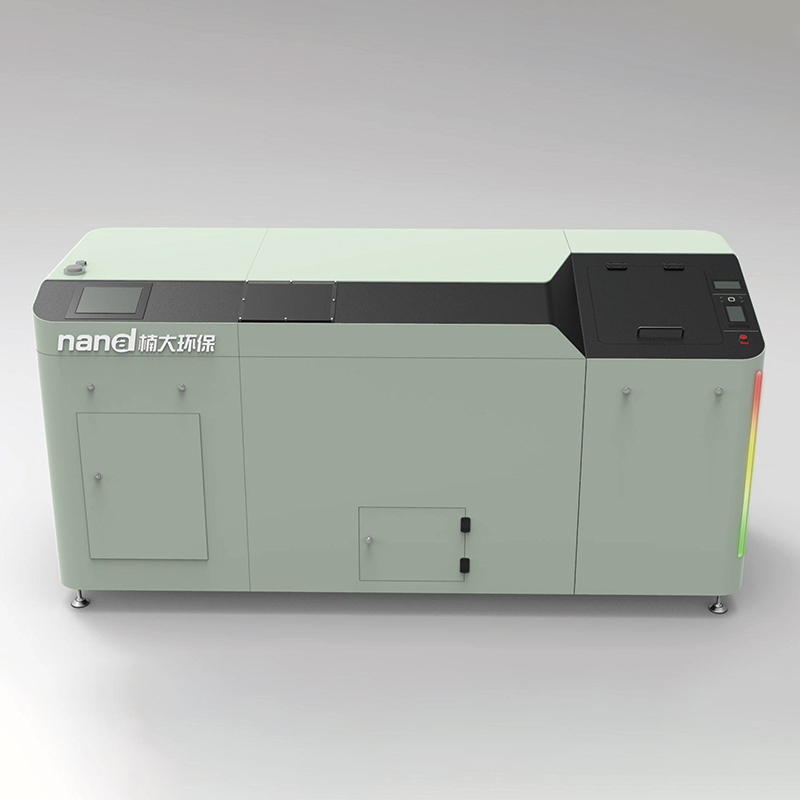 Nanda Trans Series-200
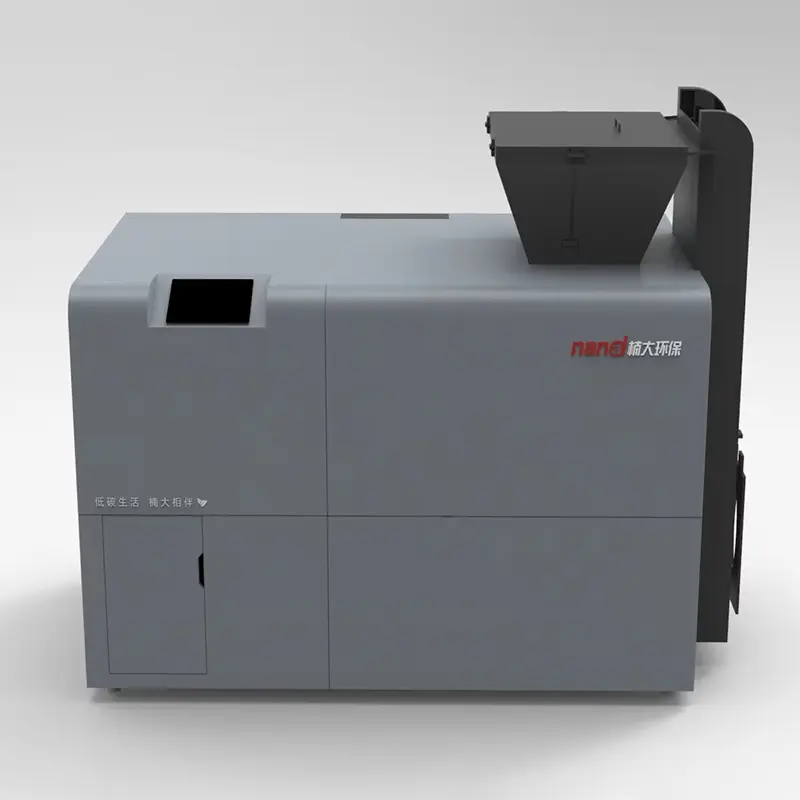 Nanda Trans Series-500
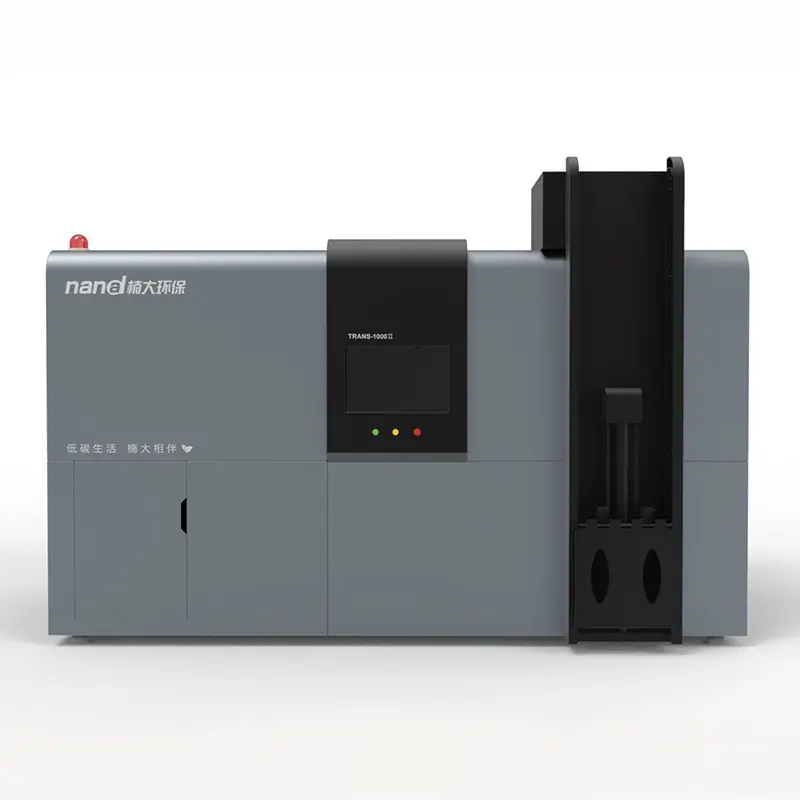 Nanda Trans Series-1000
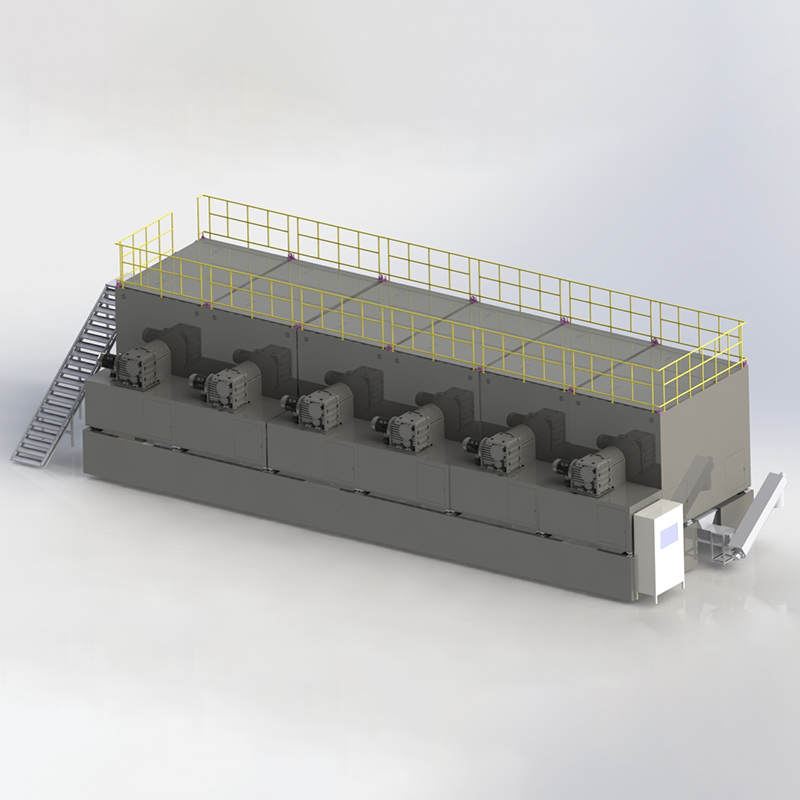 Nanda Trans Series-30000
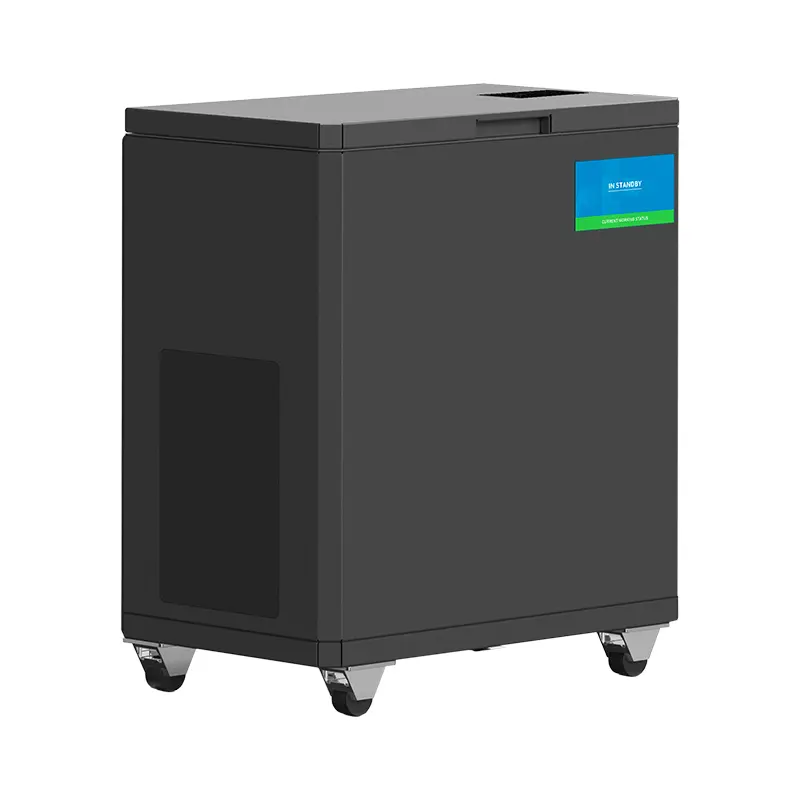 Nanda Thermax Series-100
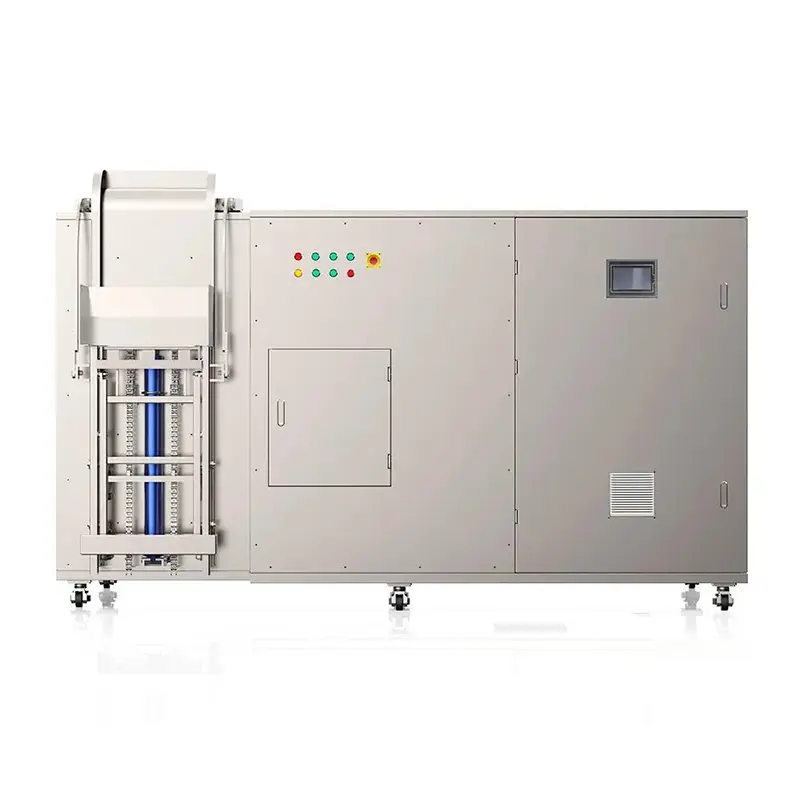 Nanda Thermax Series-200
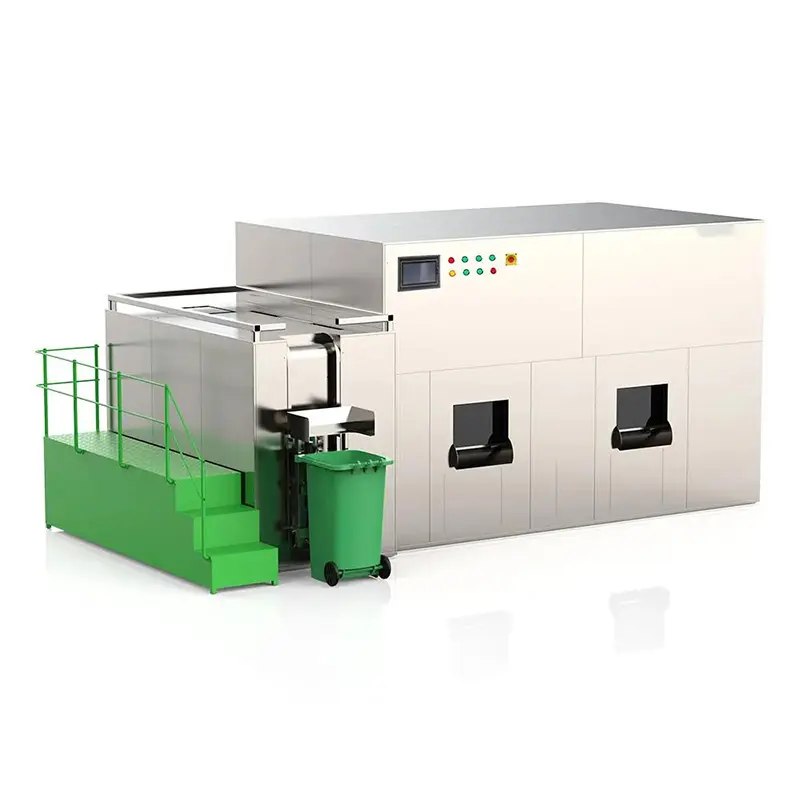 Nanda Thermax Series-2000
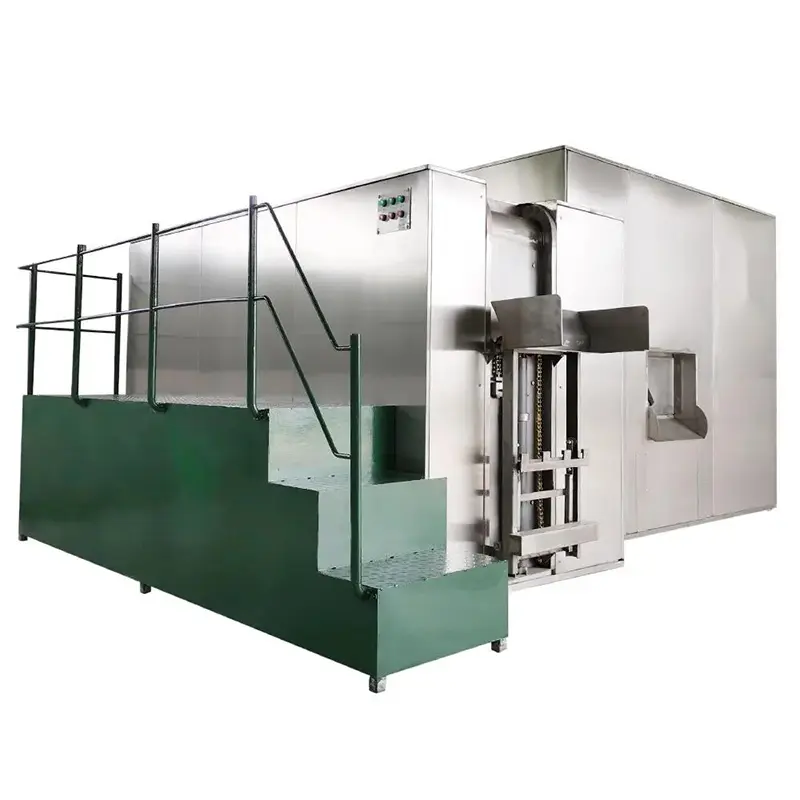 Nanda Thermax Series-10000
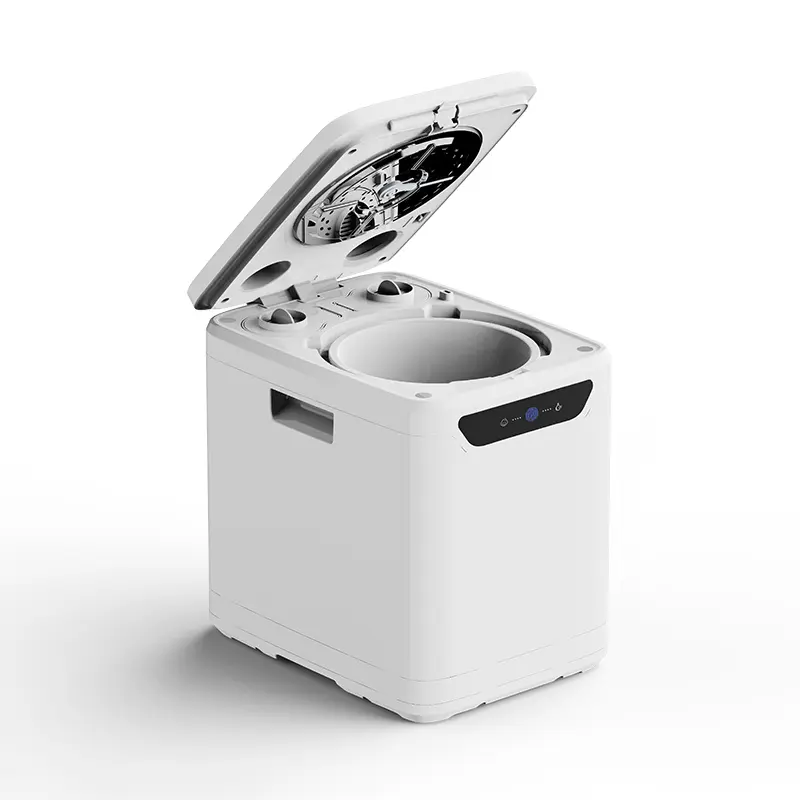 Nanda Turbo Series-3.5L-016
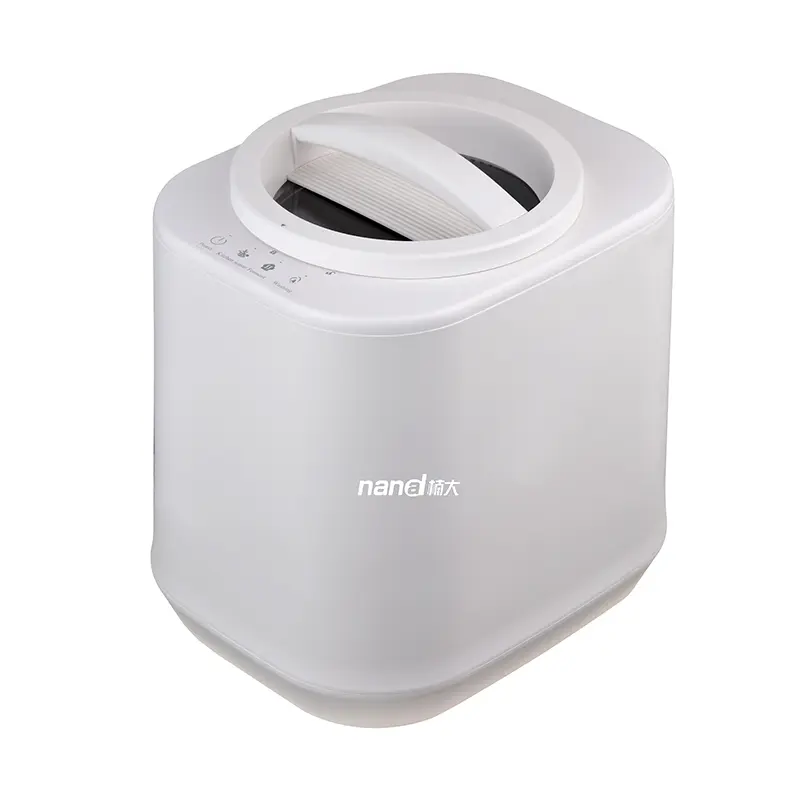 Nanda-Turbo Series-4L-011
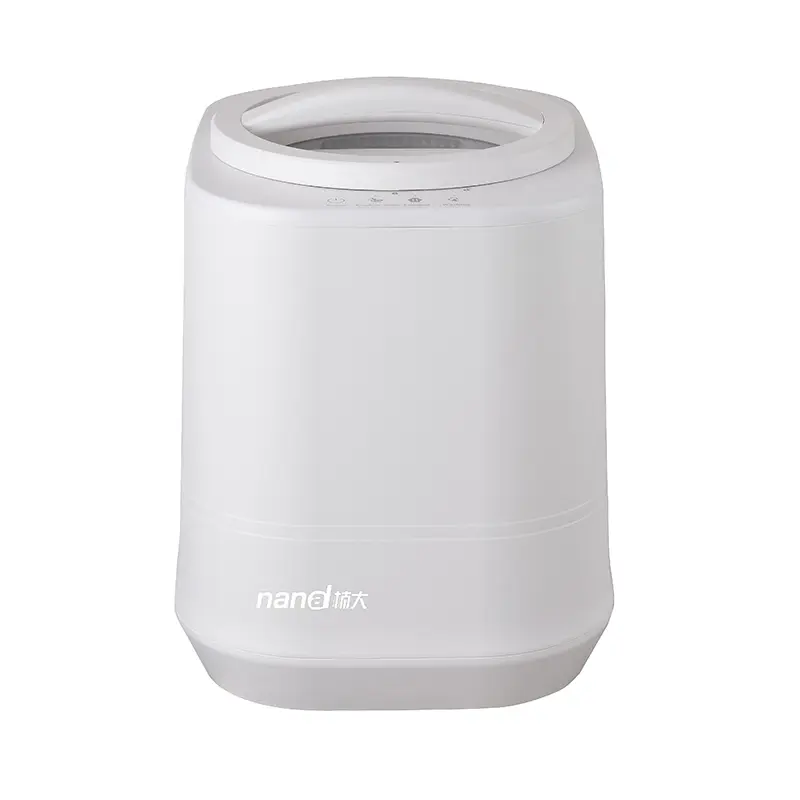 Nanda Turbo Series-4L-012
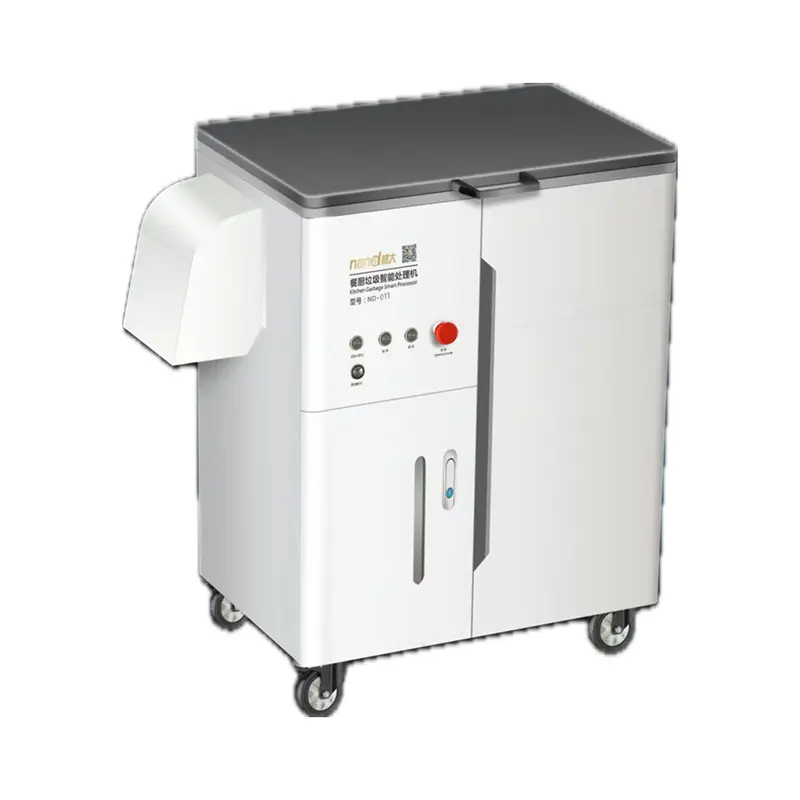 Oil-Water Separator