Top Countertop Composters in China for Eco-Friendly Living?
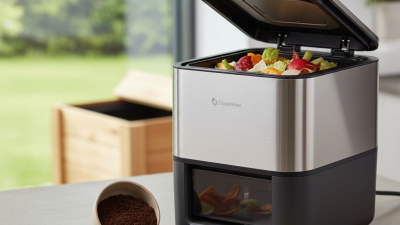
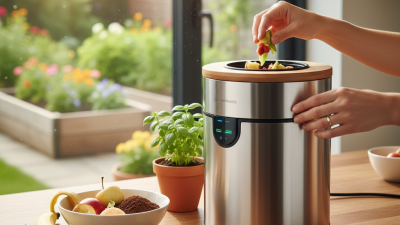
In recent years, the trend of eco-friendly living has gained momentum in China. More people are looking for ways to reduce waste and promote sustainability. One effective solution is the countertop composter. These compact devices allow urban dwellers to convert kitchen scraps into nutrient-rich compost easily.
Countertop composters come in various designs and functionalities, making them accessible to everyone. They help minimize the amount of organic waste sent to landfills and reduce greenhouse gas emissions. This not only benefits the environment but also enriches home gardening efforts. However, not all countertop composters are created equal.
Choosing a reliable model can be challenging and requires research. Factors like capacity, ease of use, and odor control are crucial. Users may find some models more difficult to manage than expected. It’s essential to consider personal needs and the composter’s features before making a purchase. In this context, we explore the top countertop composters available in China. Each option has its strengths and weaknesses, all worth examining for a greener lifestyle.
Top Countertop Composters: An Overview of Eco-Friendly Options in China
Countertop composters are becoming increasingly popular in China. They offer a convenient way to recycle food waste at home. According to the China National Food Waste Sustainability Report (2022), households contribute to over 18 million tons of food waste annually. Eco-friendly solutions, such as composting, can significantly reduce this impact.
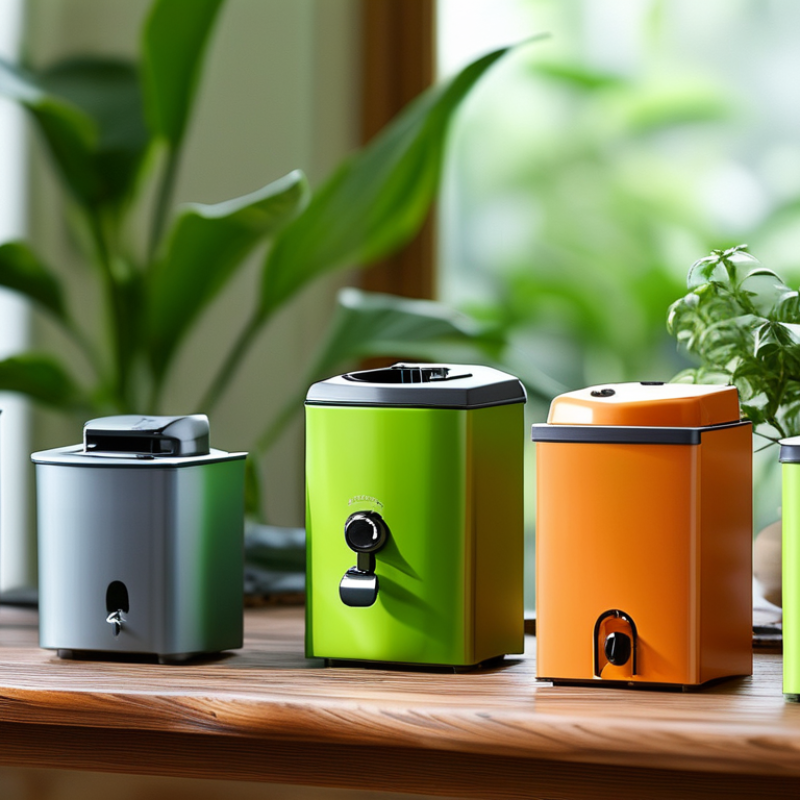
These composters vary in size and design, allowing users to choose options that fit their kitchen space. Many models are odor-free and made from sustainable materials. Some even use technology to accelerate the composting process. However, not all composters are created equal. Users must consider factors like capacity, ease of use, and maintenance needs.
Maintaining a countertop composter does require some commitment. It's essential to balance the carbon to nitrogen ratio for optimal composting. The ideal ratio is about 30:1. This means adding carbon-rich materials like paper, along with nitrogen-rich food scraps. Sometimes, the process does not go as planned. Users may find unpleasant smells or slow decomposition. These are signs that adjustments are needed.
For better results, remember to chop scraps into smaller pieces. This helps speed up the breakdown process. Always keep the composter aerated; turning the materials regularly will enhance airflow. Monitoring moisture levels can prevent issues too. A successful composting experience often takes time and practice.
Benefits of Using Countertop Composters for Sustainable Living
Countertop composters offer various benefits for sustainable living. They reduce kitchen waste effectively, turning scraps into nutrient-rich compost. This compost nourishes plants and gardens, enhancing soil health. By using these bins, individuals contribute to a circular economy. The process is usually odorless and can attract beneficial microorganisms.
However, not all countertop composters function equally. Some may require regular maintenance or extensive cleaning. This can deter some users from fully engaging with the composting process. It's crucial to choose a composter that suits your lifestyle. Understanding how to balance green waste and browns is essential for effective composting.
An engaging experience comes from observing the transformation of waste. Watching scraps break down can be a satisfying reminder of nature's processes. Yet, many users may struggle with the ideal ratio of materials. It demands patience and adjustment, raising questions about efficiency. Utilizing composters encourages simple eco-friendly habits, even if initial attempts lead to imperfect results.
Key Features to Consider When Choosing a Countertop Composter
Choosing a countertop composter is an essential step for eco-conscious living. When selecting one, consider the size. A compact composter fits easily on your kitchen counter, while larger options may require more space. Evaluate the capacity based on your food waste volume. A smaller household can manage with a 1.5-gallon composter, while larger families may need 5 gallons or more.
Odor control is another crucial feature. Look for models designed with sealed lids or carbon filters. This helps minimize unpleasant smells when composting kitchen scraps. A good composter should be user-friendly, making it easy for anyone to add waste or empty the bin. Ensure that the materials used are durable and easy to clean, as this will affect the longevity of your composter.
Consider the composting method as well. Some units use aerobic processes, while others may incorporate worms or anaerobic techniques. Each has its benefits and drawbacks. Assess what will work best for your household, as each method has its learning curve. Being mindful of these details can transform your composting experience from a chore into a rewarding practice. The right product can significantly enhance your eco-friendly lifestyle.
Popular Brands and Models of Countertop Composters in China
In recent years, countertop composters have gained popularity in China. They are essential for eco-friendly living, especially among urban dwellers. According to a report by the National Bureau of Statistics, over 50% of households in urban areas expressed interest in sustainable waste management solutions. This spike in awareness reflects a growing trend towards environmentally responsible lifestyles.
Several models have emerged, catering to various needs. Many users prefer composters that are compact and odor-free. Compact models often fit well in kitchens with limited space. User reviews commonly highlight the effectiveness of these models in biodegrading food waste. However, some users report challenges in achieving the right balance of materials. This calls for better education on composting techniques.
Industry analyses indicate the market will continue to expand, driven by increased environmental awareness. A survey showed that 65% of respondents would consider investing in a composter if they understood its benefits more clearly. Many potential users remain hesitant, fearing maintenance and efficiency issues. Thus, manufacturer transparency around performance and usage instructions is crucial. Users must also acknowledge their role in successful composting. Setting realistic expectations can improve user satisfaction.
Top Countertop Composters in China for Eco-Friendly Living
This chart represents the estimated sales volume of popular countertop composters in China over the past year. The data reflects the growing interest in eco-friendly living and sustainable composting practices among urban households.
User Experiences and Reviews of Countertop Composters in China
Countertop composters have gained popularity in China for eco-conscious living. Many users appreciate their convenience and the reduction of kitchen waste. People often find satisfaction in turning scraps into compost. Positive experiences highlight the ease of use. Users state that these devices fit seamlessly into their daily routines. They effortlessly convert food waste into valuable nutrients for plants.
User reviews suggest some common challenges as well. Odor control can be a concern for some. It’s essential to choose composters with efficient sealing systems. Maintenance is also a recurring topic; regular cleaning can be tedious. Some users mention that certain models can be noisy, which might be distracting in a quiet home. Reflecting on these experiences helps potential buyers weigh their options.
When using a countertop composter, remember to balance green waste with dry materials. This helps maintain the proper carbon-to-nitrogen ratio. Regularly check moisture levels to ensure a healthy composting process. Overloading the composter can lead to unpleasant odors and slower decomposition, so be mindful of your load.

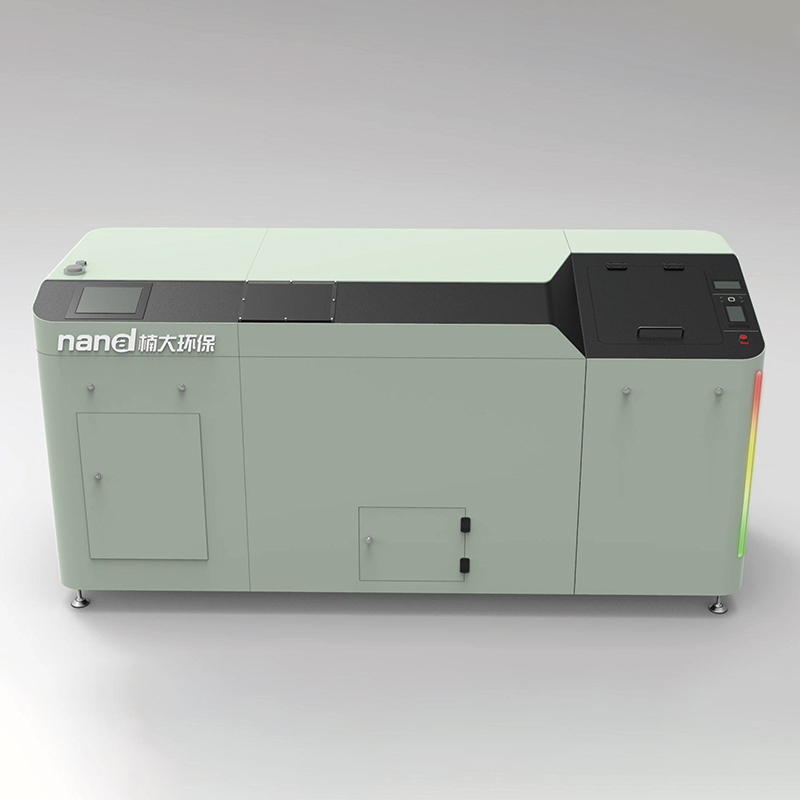 Nanda Trans Series-200
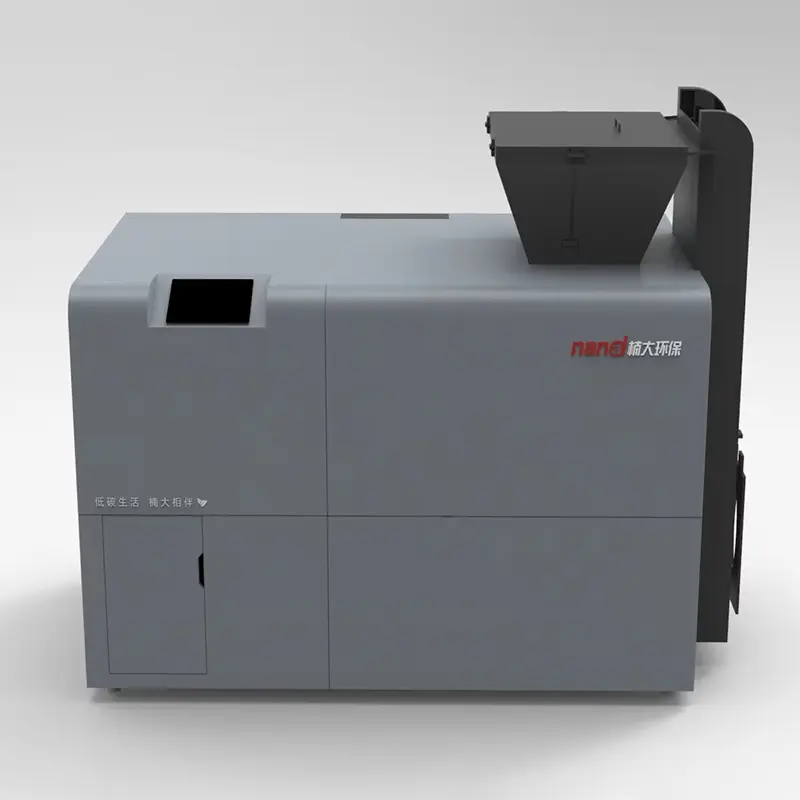 Nanda Trans Series-500
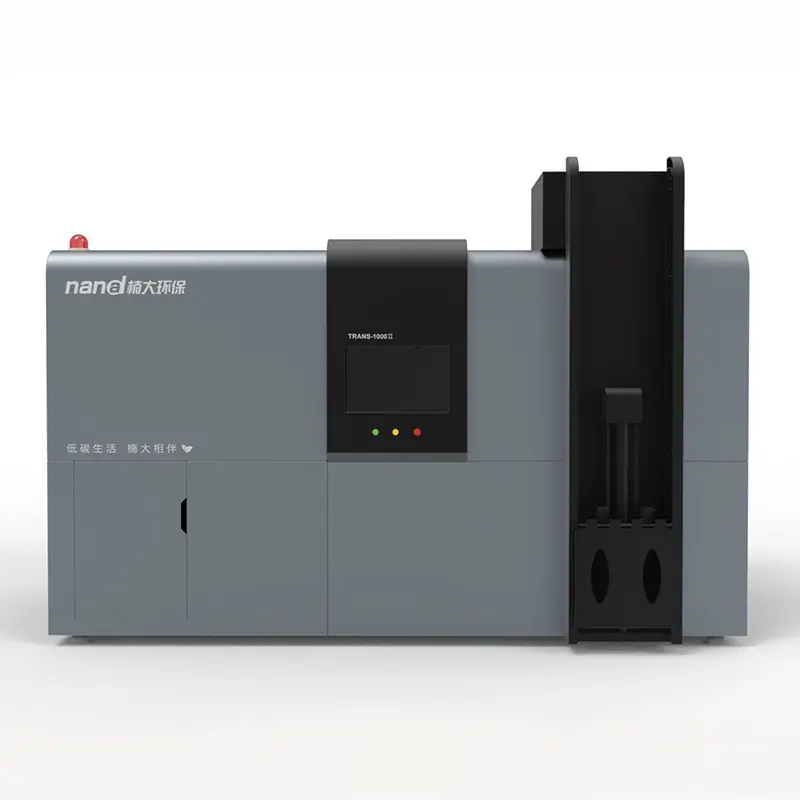 Nanda Trans Series-1000
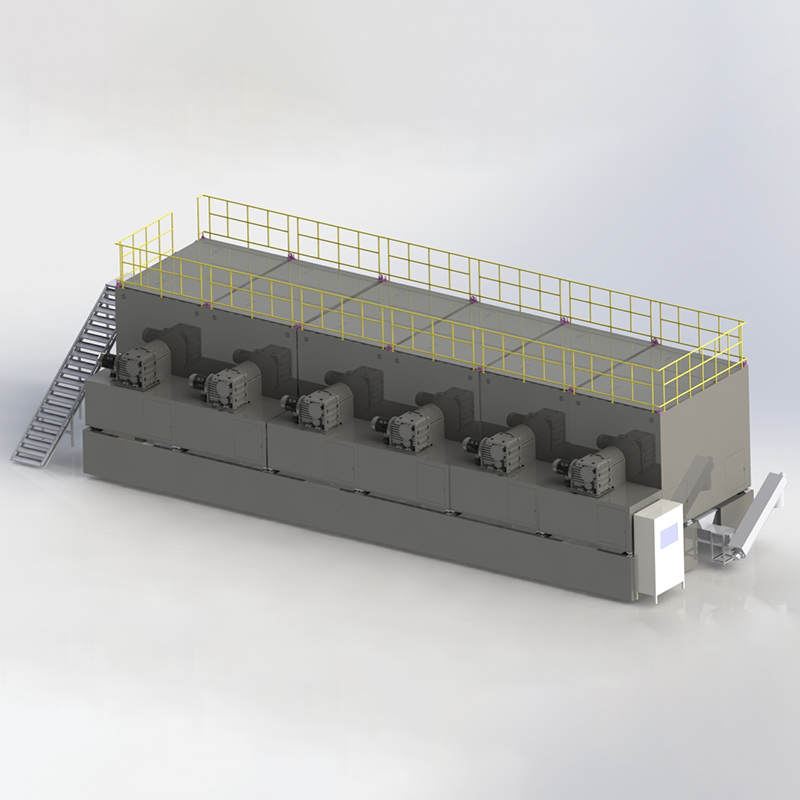 Nanda Trans Series-30000
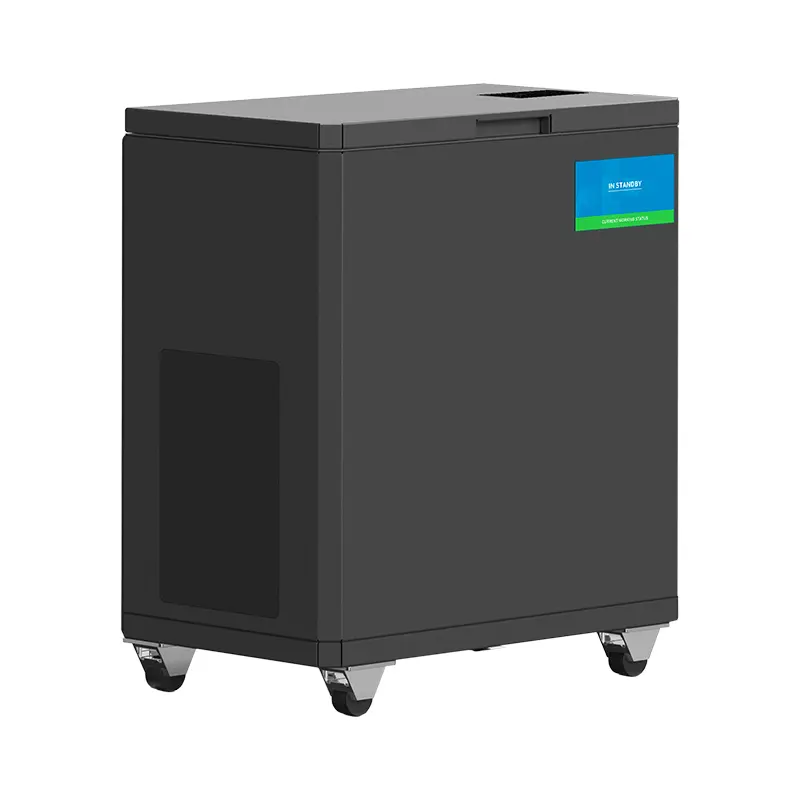 Nanda Thermax Series-100
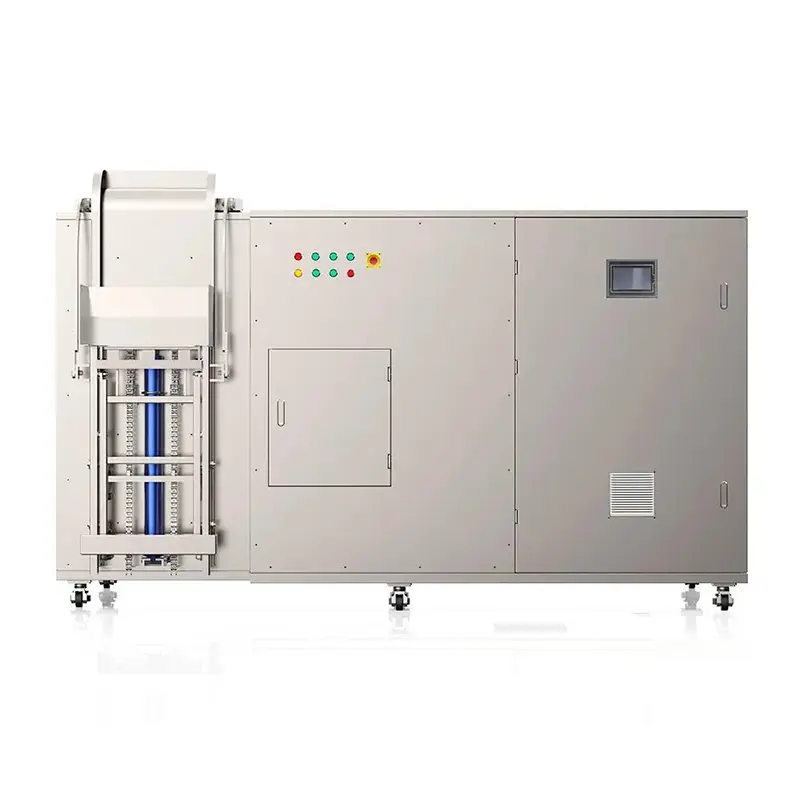 Nanda Thermax Series-200
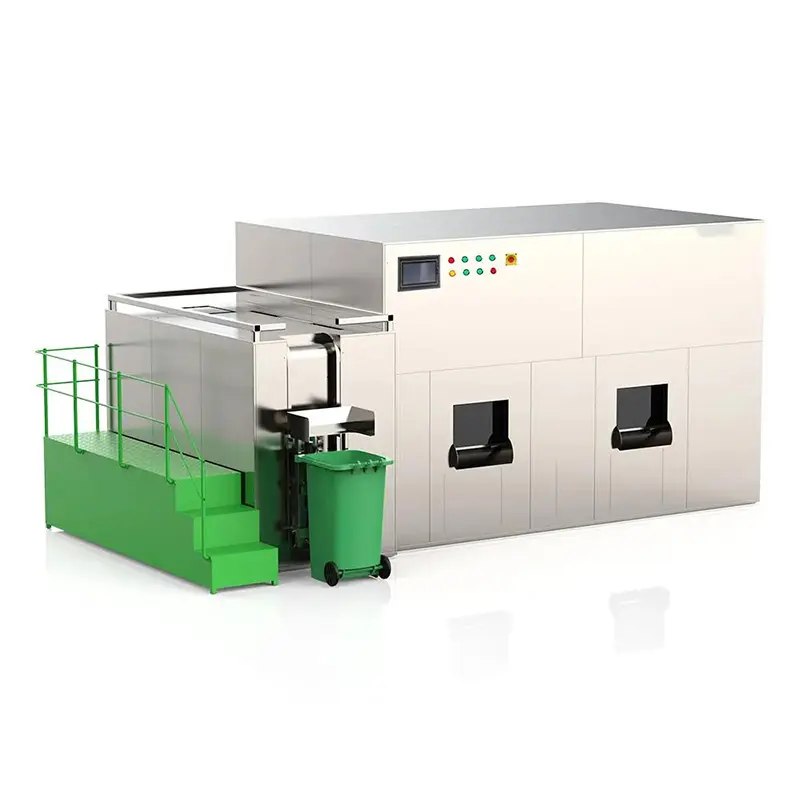 Nanda Thermax Series-2000
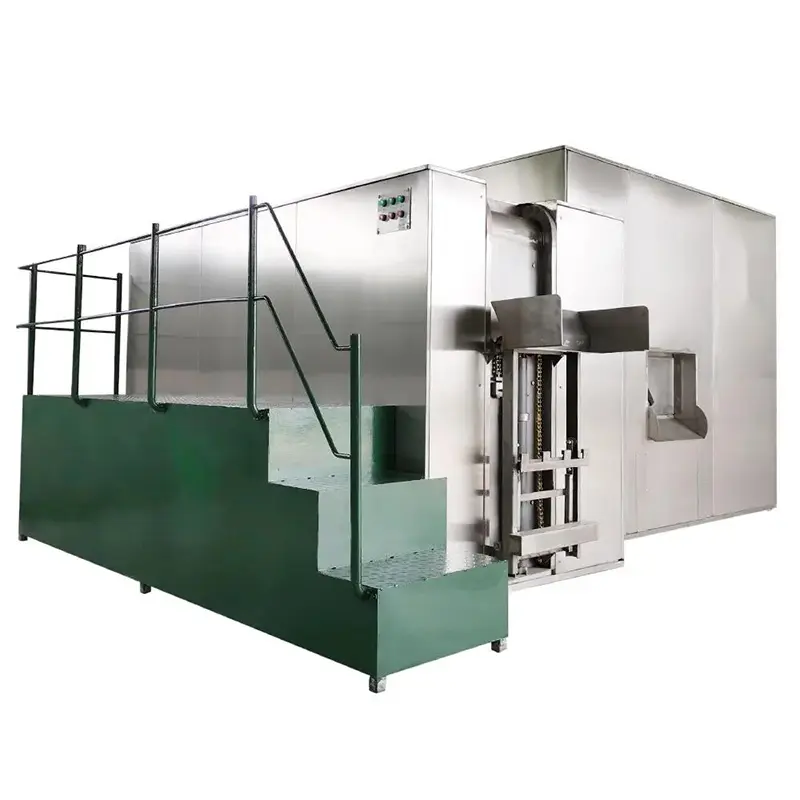 Nanda Thermax Series-10000
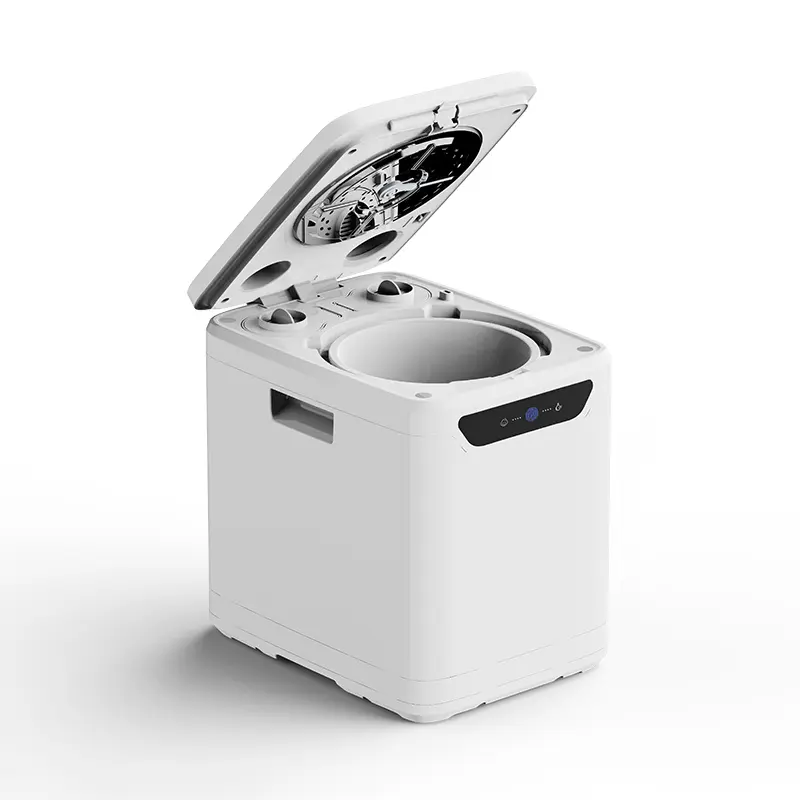 Nanda Turbo Series-3.5L-016
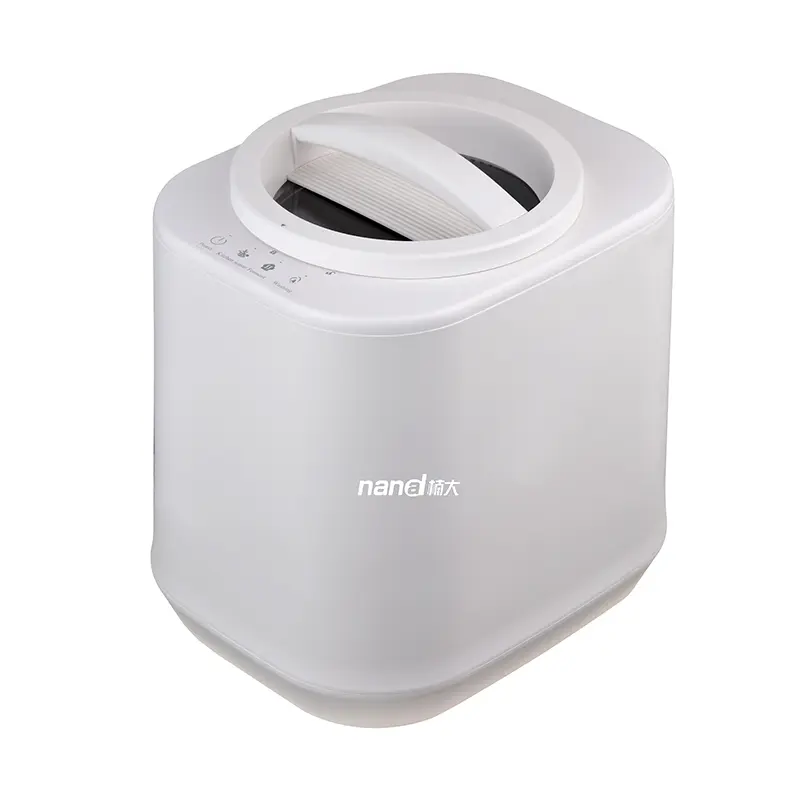 Nanda-Turbo Series-4L-011
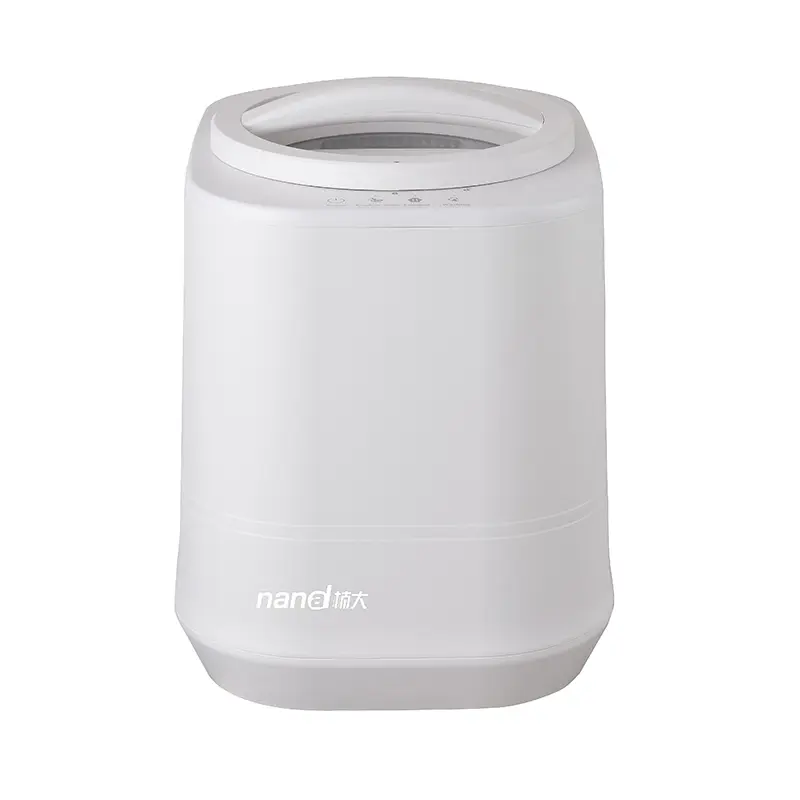 Nanda Turbo Series-4L-012
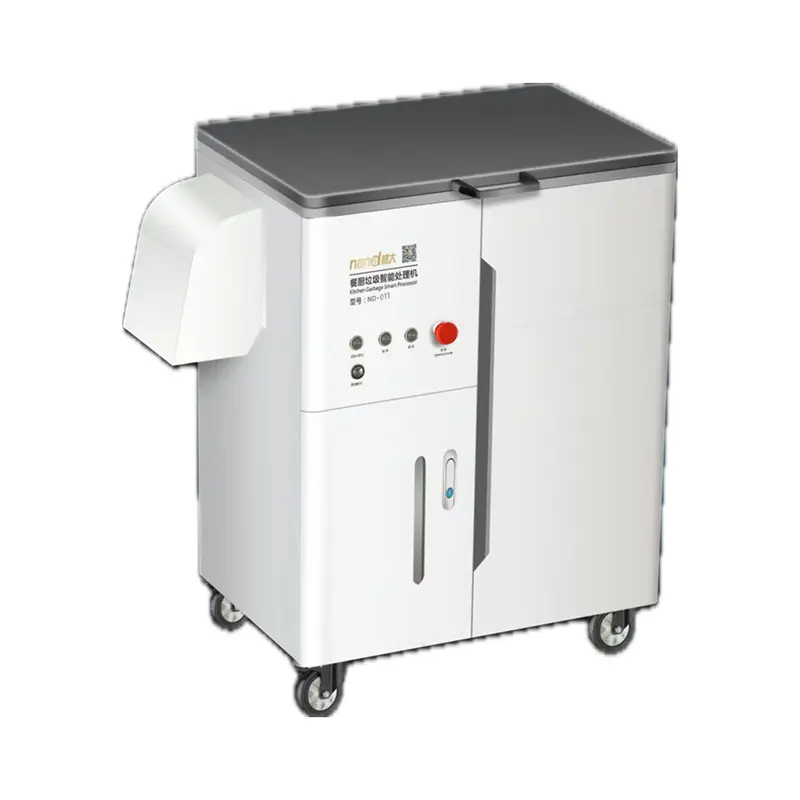 Oil-Water Separator