Top 10 Food Waste Compacters in China for Global Buyers?
In recent years, the issue of food waste has gained significant attention worldwide. Food waste compaction technologies have emerged as a solution to this pressing problem. According to Dr. Julie Green, an expert in waste management and sustainability, “Using a food waste composter not only reduces landfill waste but also promotes environmental health.” This emphasizes the importance of effective food waste management.
China, being one of the largest producers of food waste, plays a crucial role in this field. The country has developed innovative food waste composter technologies. These machines transform organic waste into compost, reducing the environmental burden. As the global demand for sustainable solutions grows, Chinese manufacturers are stepping up. They aim to provide high-quality options for international buyers.
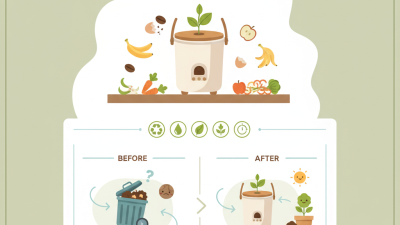
Despite the advancements, challenges remain. Many consumers are still unaware of how food waste composters operate. There is also a learning curve associated with using these machines effectively. Nevertheless, the potential benefits are worth exploring. The shift towards sustainable practices is vital for both the environment and future generations. Embracing food waste composters can significantly decrease our carbon footprint and contribute to a healthier planet.
Overview of Food Waste Compacters in China
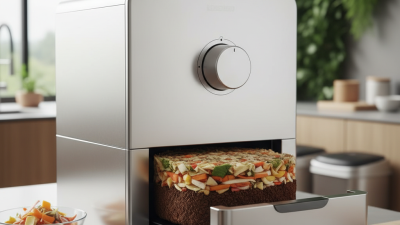
In recent years, food waste compacters have gained traction in China, driven by increasing environmental awareness. Many urban households and businesses are looking for efficient solutions to manage food waste. Compacters reduce waste volume significantly, making disposal easier and more sustainable. They can effectively process various organic materials, including fruit scraps and leftovers.
However, not all compacters are created equal. Some models may struggle with tougher food items, leading to jams or inefficiency. Additionally, users often report inconsistent performance. Proper maintenance is crucial. Many potential buyers seek guidance on selecting the right unit based on their specific needs. A reliable compacter should balance performance with user-friendliness.
The market is evolving, yet challenges remain. While many products carry promising features, user experiences vary. Feedback often points to a need for improvements in design and durability. This variability can be frustrating for consumers eager to reduce waste in a more impactful way. Despite these hurdles, the push for better food waste compaction technology continues. The future looks hopeful as innovations emerge.
Criteria for Selecting the Best Food Waste Compacters
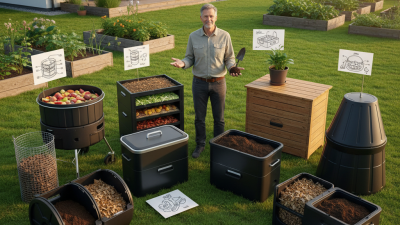
When selecting the best food waste compacters, several criteria are crucial. Consider the capacity of the unit. It should accommodate the amount of waste generated in your setting. A household may need a smaller model, while restaurants require larger options. Durability is another key factor. The materials used should withstand frequent use without breaking down. Look for units with robust designs that promise longevity.
Efficiency in waste processing is vital. Some compacters reduce waste volume significantly. This feature can lead to cost savings in disposal. Energy consumption is also important. Selecting energy-efficient models can minimize operational costs over time. Moreover, consider ease of maintenance. Simple cleaning processes can help maintain hygiene and functionality.
User reviews play a significant role in the decision-making process. Feedback from other buyers can reveal potential issues. Check ratings and experiences shared online. Some products may promise high efficiency but underdeliver. Take note of performance inconsistencies. Assessing these real-world insights helps in making an informed choice. Aim for a unit that balances efficiency, cost, and ease of service.
Top 10 Food Waste Compacter Brands in China
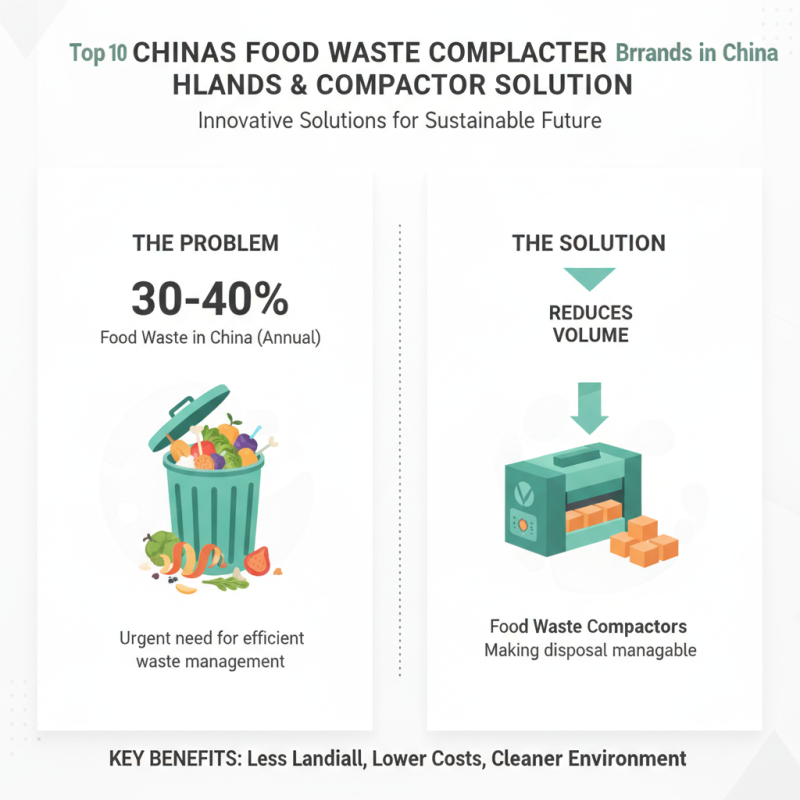
In recent years, food waste compacters have gained traction in China. The need for efficient waste management is more pressing than ever. Approximately 30-40% of food produced in China goes to waste, according to industry reports. This staggering statistic highlights the urgency for innovative solutions. Compacters can drastically reduce the volume of food waste, making disposal more manageable.
Some of the top brands in the market are focusing on advanced technology for waste reduction. Many machines can reduce food waste volume by up to 90%. This efficiency not only saves space but also minimizes environmental impact. Reports indicate that deploying such technology can lead to significant reductions in greenhouse gas emissions.
Despite advancements, challenges remain. Not all compacters are user-friendly or efficient in diverse kitchen environments. Some may struggle with tougher waste, causing frustration for users. Additionally, awareness of such machines is still developing. Many consumers are not fully informed about the benefits of integrating these appliances into their kitchens. Effective education and outreach are essential for maximizing their potential impact.
Features and Specifications of Leading Compacters
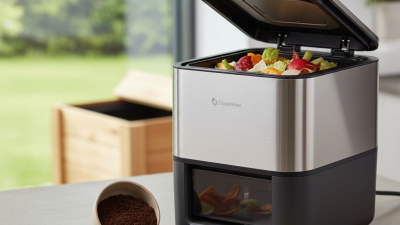
Food waste compactors play a crucial role in managing kitchen waste effectively. These appliances reduce food volume, making disposal easier. They help businesses save space and streamline waste management processes. Key features often include different compaction ratios, which determine how much waste can be compressed. Some models offer various settings for different types of waste, enhancing versatility.
When selecting a compactor, consider the capacity required for your needs. Larger units may suit busy restaurants, while smaller ones fit well in home kitchens. Look for durable materials and efficient motors. Noise levels can also be an essential factor depending on the setting. A good compactor should be efficient yet quiet.
Tip: Always read user reviews before purchasing. Feedback from previous users can provide insights into performance and reliability.
Keep in mind that maintenance is vital for longevity. Regular cleaning can prevent odors and mechanical issues. Some users overlook the importance of routine checks. Remember, even high-quality machines can develop problems without proper care.
Tip: Create a maintenance schedule to ensure consistent performance.
Food Waste Compacters Performance Comparison
This chart compares the efficiency of various food waste compactors based on their processing capacity (kg per hour) and energy consumption (kWh). It highlights the balance between performance and energy efficiency in the leading compactors.
Market Trends and Innovations in Food Waste Management
The landscape of food waste management in China is evolving rapidly. Key trends show an increasing focus on sustainability. More businesses and households are recognizing the importance of reducing waste.
Food waste compactors are becoming essential tools for effective management. They help minimize the volume of organic waste, making disposal easier.
Innovations in technology are also emerging. Smart compactors now offer features like real-time monitoring and data analytics. These advancements ensure better tracking of waste generation. Companies are investing in user-friendly designs. However, there are still challenges. Adoption rates among consumers remain inconsistent. Many are unaware of the benefits these machines offer.
Education is crucial for encouraging wider use.
The market is competitive, yet underdeveloped. While options are available, not every model meets high efficiency standards. There's a need for greater transparency in performance claims. Buyers should research and compare different models. Understanding long-term benefits can help make informed choices. This shift toward better food waste management represents a significant opportunity for improvement.

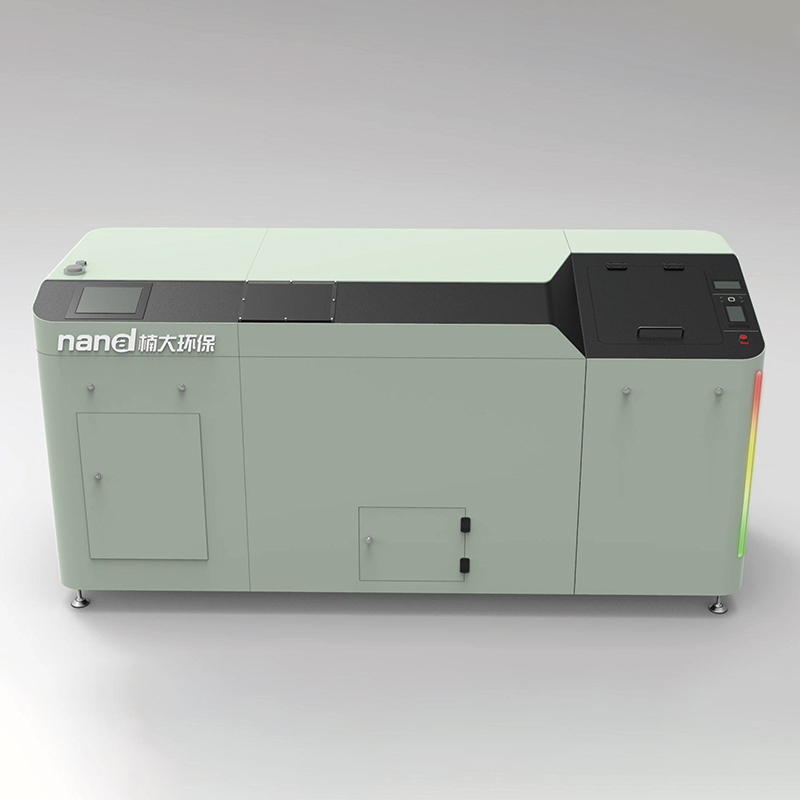 Nanda Trans Series-200
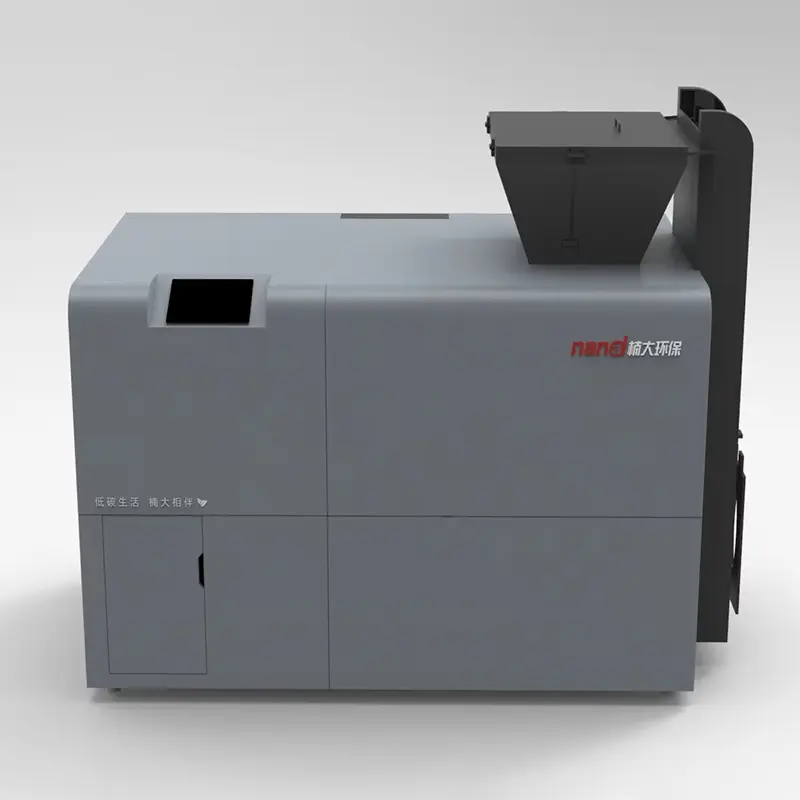 Nanda Trans Series-500
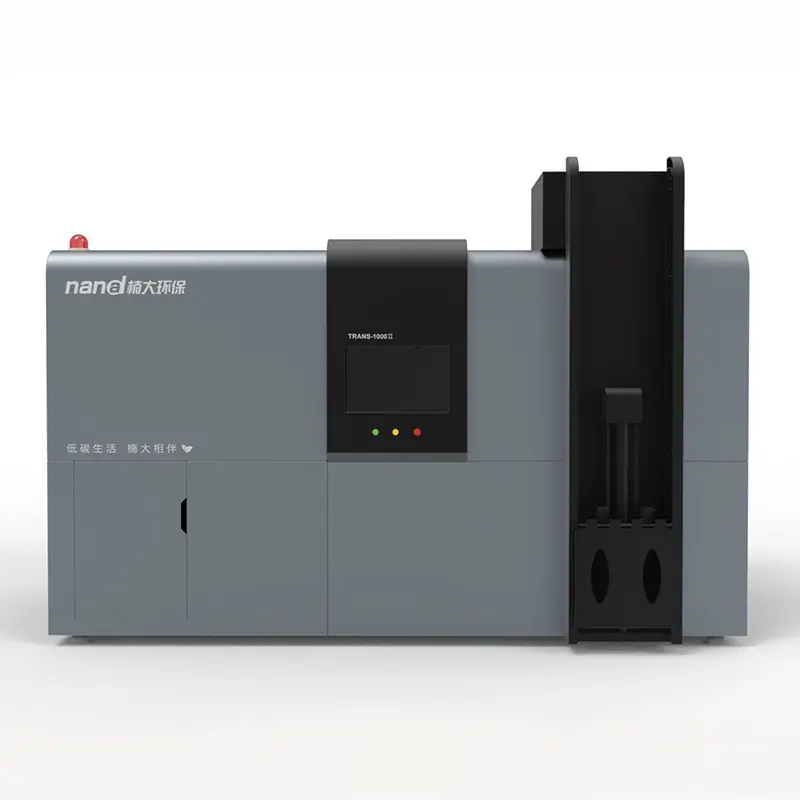 Nanda Trans Series-1000
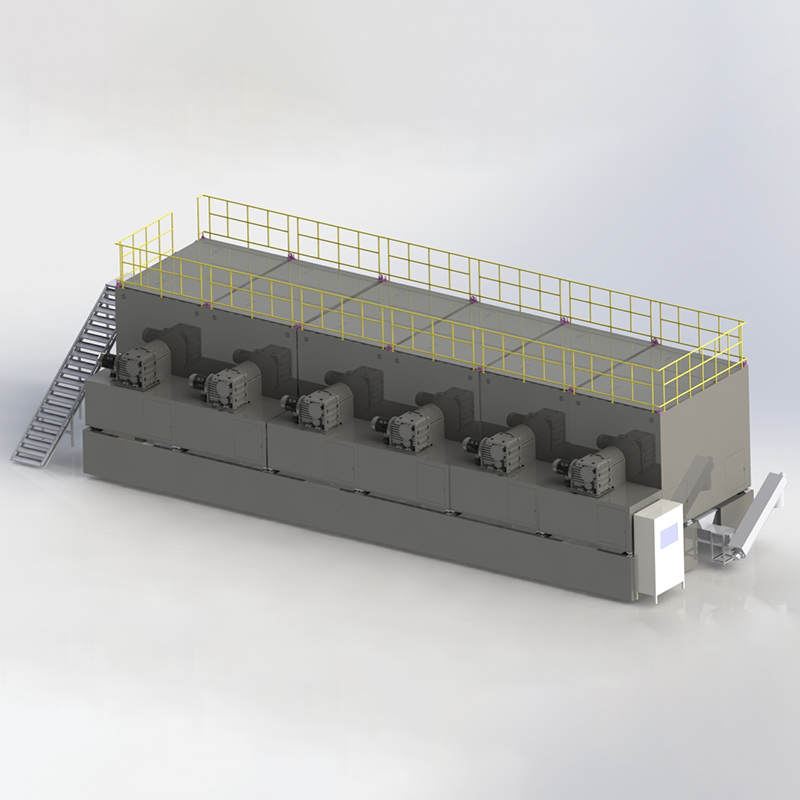 Nanda Trans Series-30000
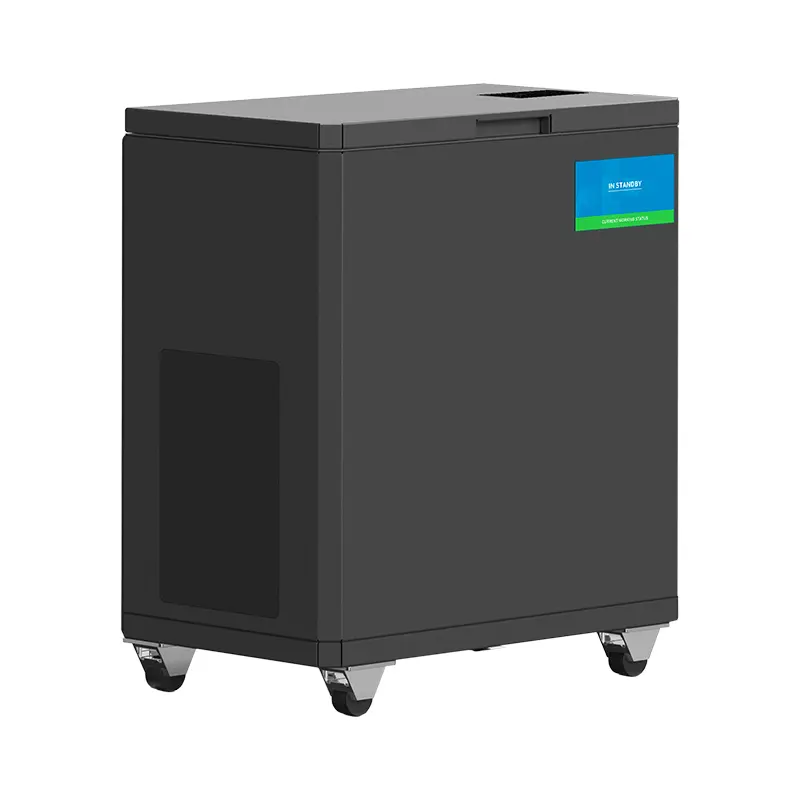 Nanda Thermax Series-100
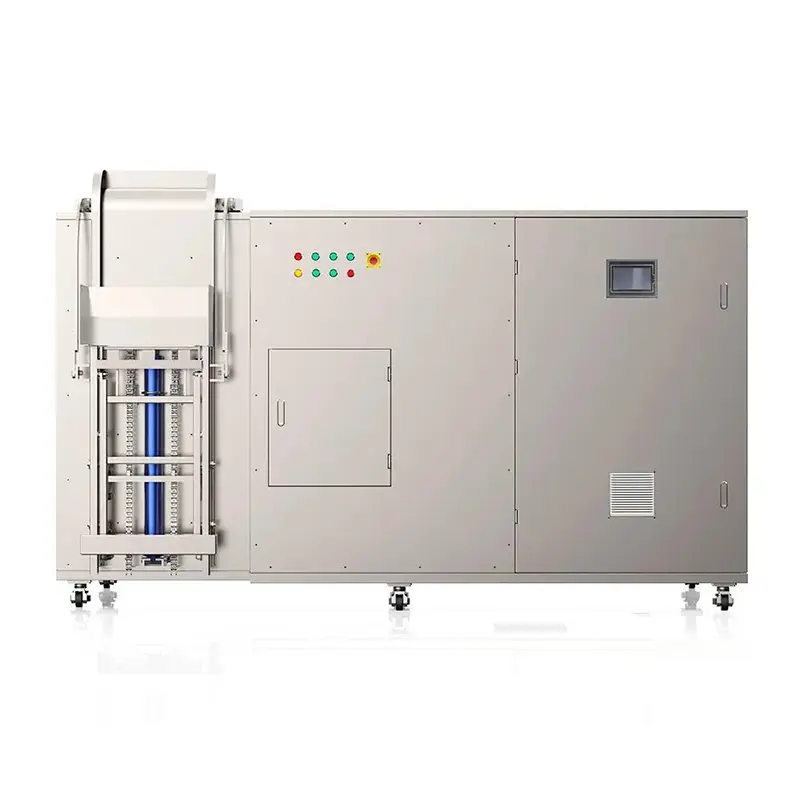 Nanda Thermax Series-200
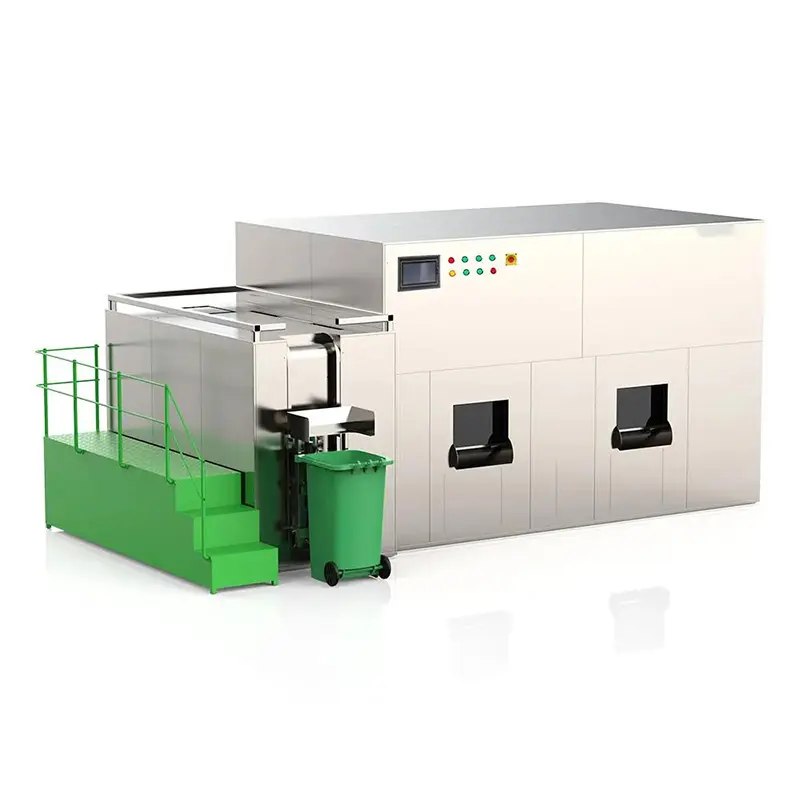 Nanda Thermax Series-2000
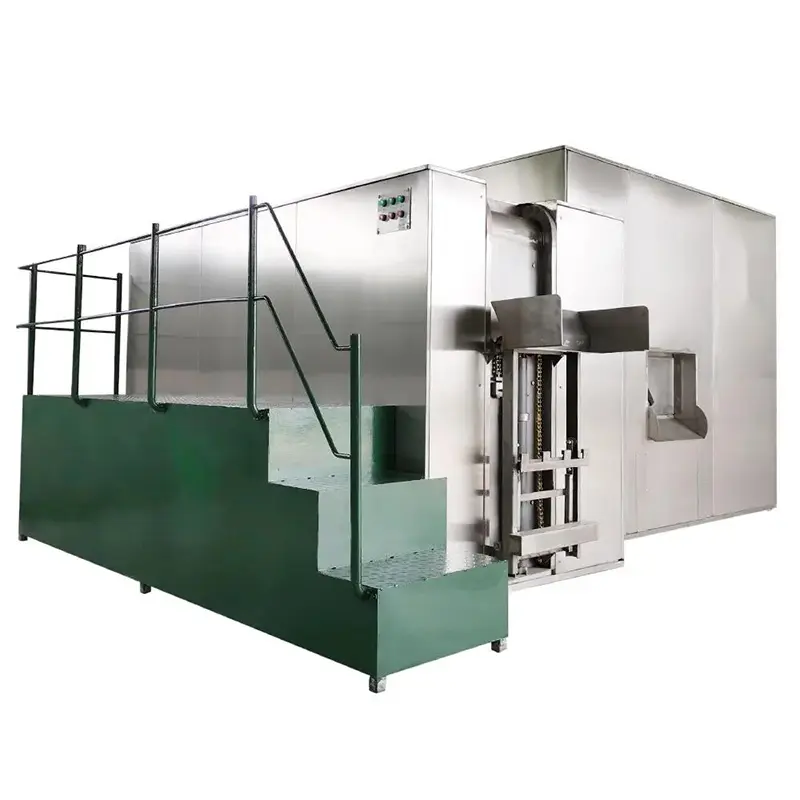 Nanda Thermax Series-10000
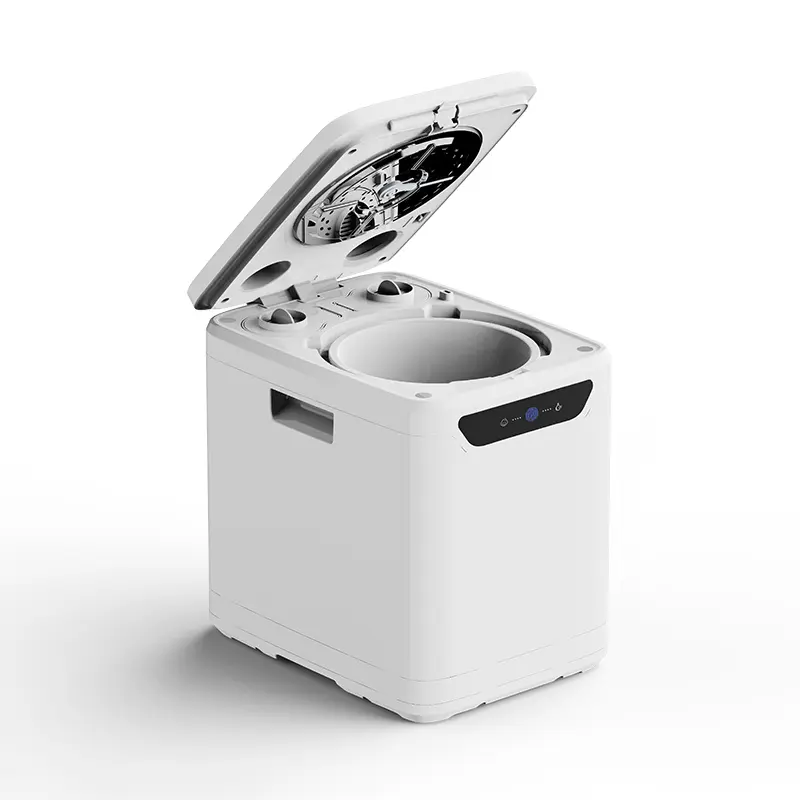 Nanda Turbo Series-3.5L-016
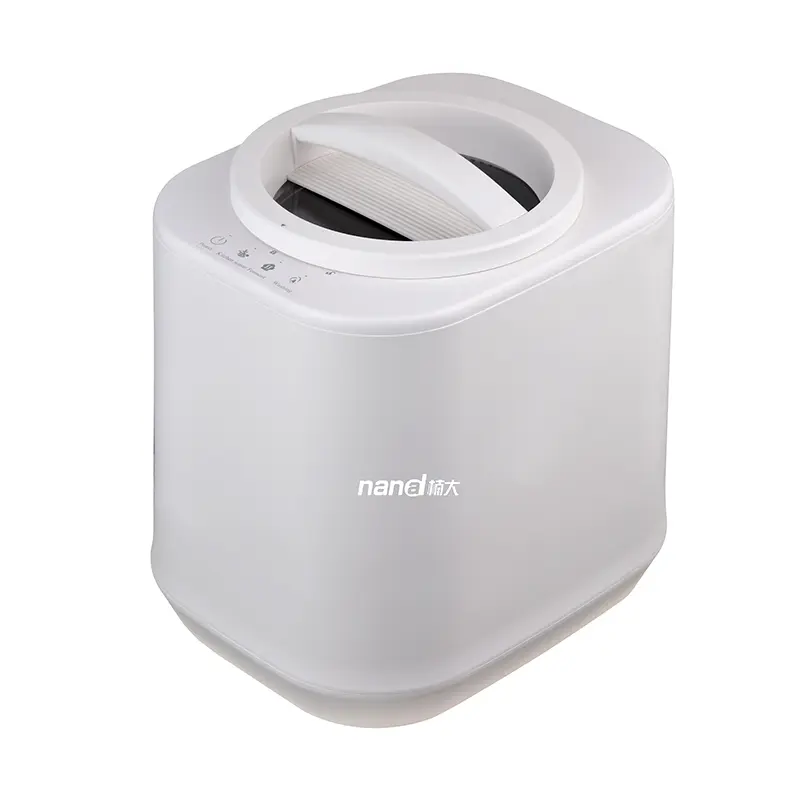 Nanda-Turbo Series-4L-011
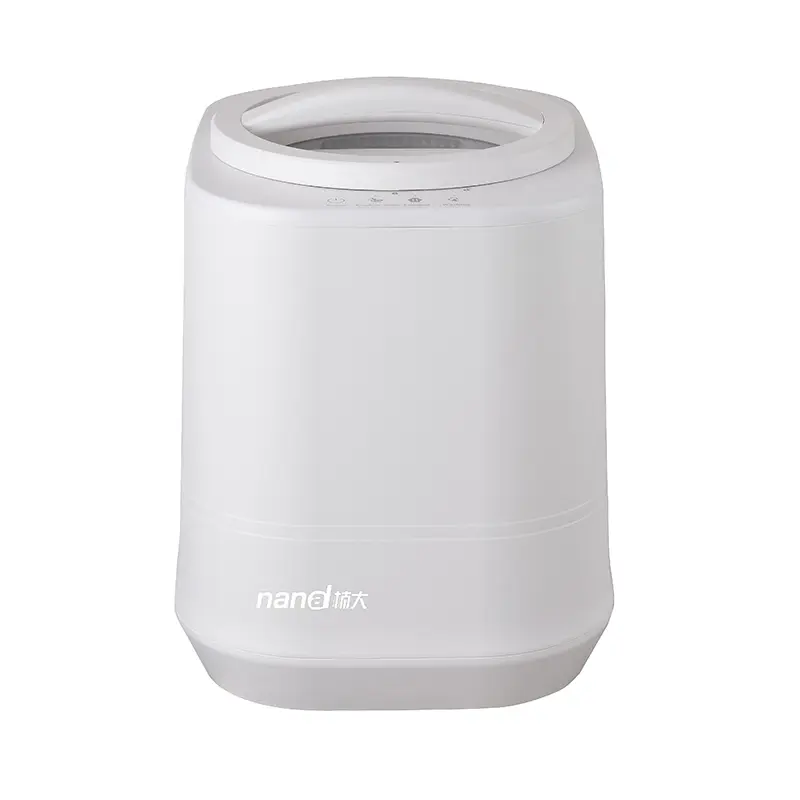 Nanda Turbo Series-4L-012
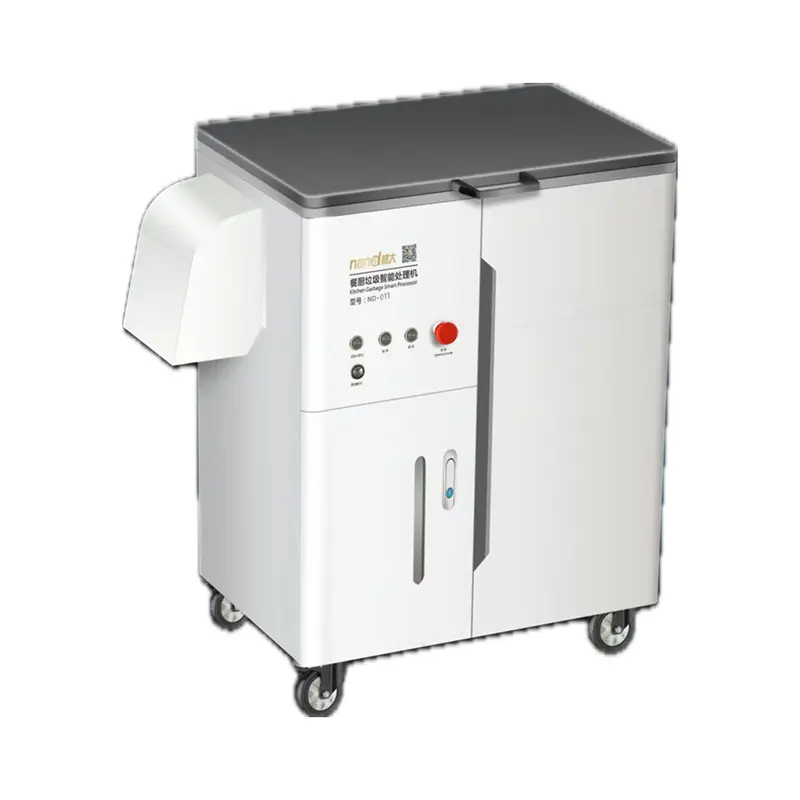 Oil-Water Separator