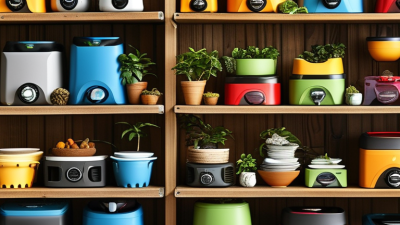
Top Kitchen Food Composter Solutions for Sustainable Living?
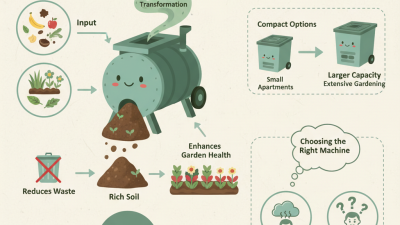
Living sustainably is a growing priority for many households. One effective way to contribute to the environment is through a Kitchen Food Composter. These innovative solutions not only reduce kitchen waste but also enrich garden soil. Composting transforms organic scraps into valuable nutrients, creating a cycle of sustainability in our homes.
Choosing the right Kitchen Food Composter can be a challenge. Numerous options are available, each with unique features. Some models cater to small kitchens, while others work well for larger households. Each type has its pros and cons, requiring careful consideration. It’s important to assess your needs and lifestyle before making a decision.
Despite the benefits, some people hesitate to compost. Concerns about odors and space can deter potential users. It's crucial to find a composter that addresses these issues. Embracing a Kitchen Food Composter can lead to thoughtful waste management. This journey may not always be straightforward, but the environmental impact is worth the effort.
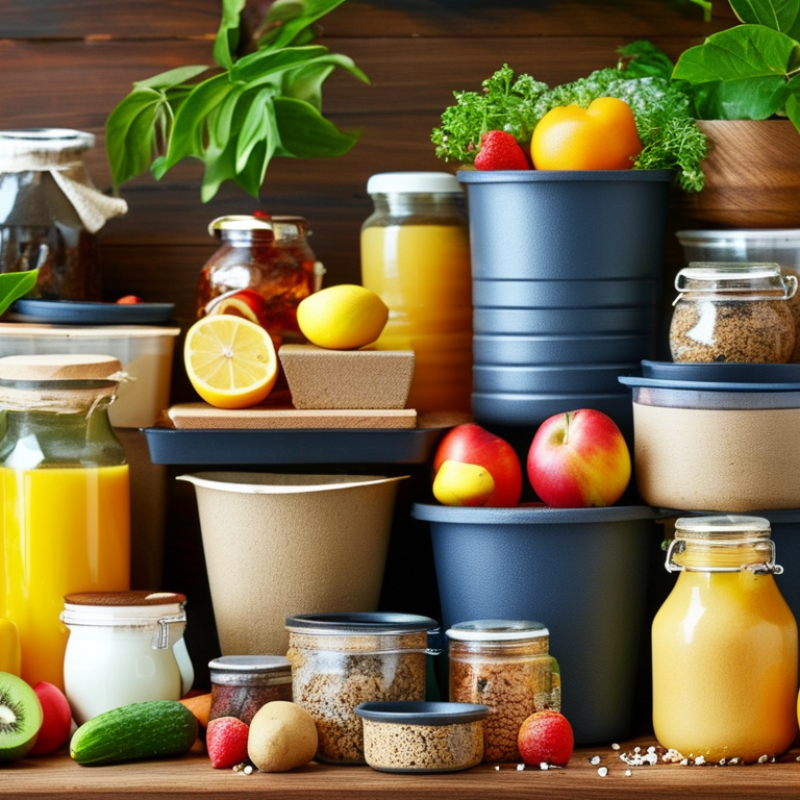
Types of Kitchen Food Composters for Sustainable Living
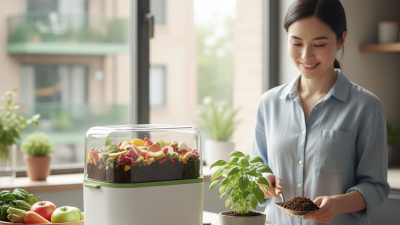
Kitchen composters offer a practical solution for reducing food waste. They come in various types, each catering to different needs. One common type is the countertop composter. These compact units fit on kitchen counters, making them accessible for everyday food scraps. A 2022 report revealed that countertop composters can divert up to 30% of household waste from landfills.
Another popular option is the worm composter, or vermicomposting. This method uses worms to break down organic material efficiently. Research shows that vermicomposting can reduce waste weight by 50% in just a few months. However, some users may struggle with maintaining ideal conditions for worms, highlighting a learning curve in the process.
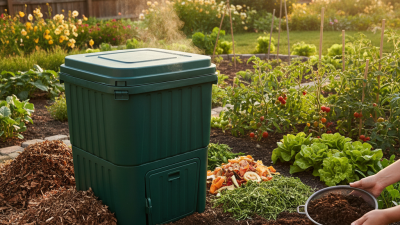
Outdoor composters provide a larger scale solution for those with outdoor space. They can handle a significant volume of kitchen scraps and yard waste. Data from environmental agencies indicate that outdoor composting can reduce greenhouse gas emissions by over 25% per household. Yet, maintaining the right balance of green and brown materials can be challenging for beginners.
Benefits of Using a Kitchen Food Composter
Using a kitchen food composter not only benefits the environment but also enhances your kitchen efficiency. Composting reduces kitchen waste significantly. It turns scraps into nutrient-rich soil, which you can use for your plants. This option promotes sustainable living and decreases landfill usage.
One major benefit is reducing greenhouse gas emissions. Food waste in landfills emits methane, a harmful greenhouse gas. By composting, you contribute to a cleaner atmosphere. Additionally, compost helps retain moisture in soil, which benefits your garden. Healthy soil leads to healthier plants and can improve crop yield.
Tips: Start small by composting vegetable peels and coffee grounds. It’s a good way to ease into the habit. Make sure to balance green and brown materials in your composter. This balance helps speed up decomposition and prevents odor. Lastly, regularly turning the pile provides oxygen, which enhances composting efficiency and reduces smells.
Key Features to Consider When Choosing Composters
When selecting a kitchen food composter, consider several key features. First, size matters. A compact composter fits well in small kitchens. Think about where it will go. If space is limited, a design that maximizes vertical space may be ideal. Also, assess your composting volume. A small household generates less waste, while larger families will need a bigger unit.
Another critical feature is odor control. Many composters come with built-in filters to minimize smells. Look for options that have airtight seals. These can effectively keep odors contained. If odors concern you, consider a unit with a ventilation system. This will help regulate airflow.
Tips: Regularly aerating your compost promotes faster decomposition. Stir the compost every few weeks to maintain balance. Also, remember to add balanced materials like kitchen scraps and dry leaves. Proper layering aids in eliminating odor and improves compost quality. Observing your composter can reveal adjustments needed. Not all composters work the same, and the process may require fine-tuning.
Top Kitchen Food Composter Solutions for Sustainable Living
This chart illustrates the key features to consider when choosing food composters for sustainable living, measuring user satisfaction with various features.
Popular Brands and Models of Kitchen Composters
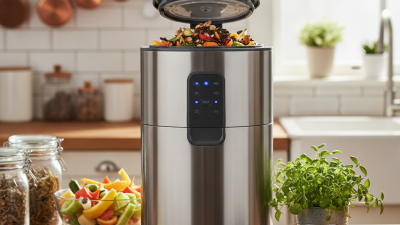
When choosing a kitchen composter, consider various popular models available. Each type has unique features tailored to different needs. Some machines work quickly, breaking down scraps within days, while others rely on natural processes that take longer. Select one that fits your lifestyle and kitchen space.
One reliable option is a countertop composter. It occupies minimal space and is ideal for small kitchens. Many come with odor control features, making them user-friendly. However, their capacity may limit how much you can compost daily. Remember to keep the lid tightly sealed to avoid attracting pests.
Tips for successful composting include cutting scraps into smaller pieces. This speeds up decomposition and maximizes space. Regularly check the moisture level too. If it feels too dry, spray with water. A balanced mix of greens and browns is crucial for effective composting. Don't pass over potential materials like eggshells or coffee grounds; they enrich your compost significantly. Keep experimenting and refining your methods!
Best Practices for Effective Kitchen Composting
Kitchen composting is an effective way to reduce waste and enrich soil. According to the USDA, approximately 30% of the food supply in the United States goes to waste. A simple method to combat this is by composting kitchen scraps. Effective composting requires understanding what materials can be composted and managing the compost pile properly.
Start with a mix of green and brown materials. Greens include vegetable scraps and fruit peels, while browns consist of paper and dried leaves. This balance is crucial for creating nutrient-rich compost. Regularly turning the pile aids aeration and speeds up decomposition. Research shows that a well-turned compost pile can decompose in as little as four to six weeks.
Monitoring moisture is key. Too much moisture can create a smelly mess, while too little can slow decomposition. The ideal moisture level should feel like a wrung-out sponge. Mistakes happen, and sometimes piles don't heat up as expected. Troubleshooting issues will inform better practices in the future. Recognizing these challenges helps create a sustainable kitchen composting routine.

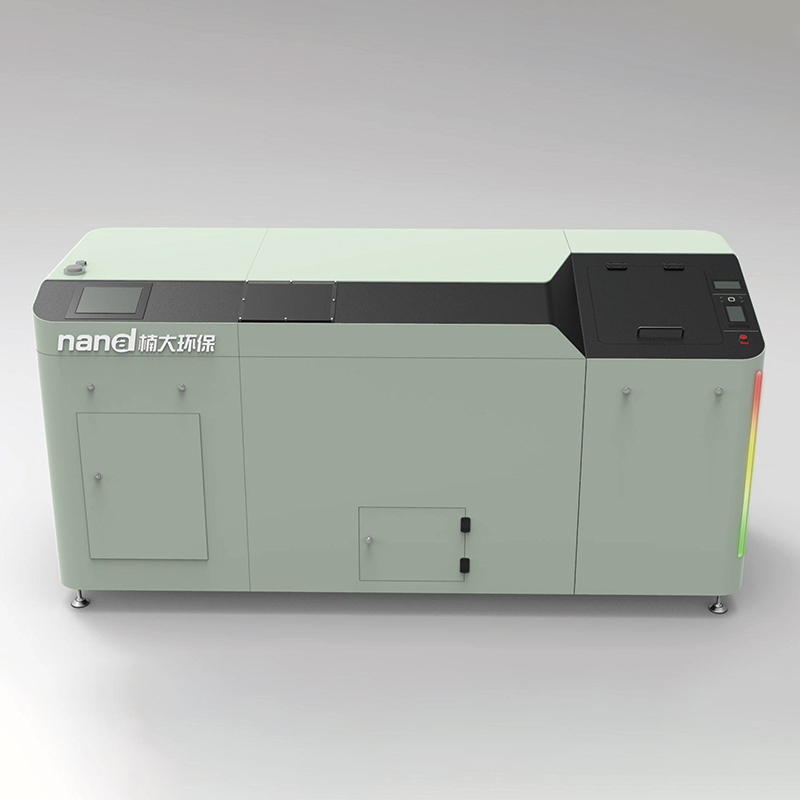 Nanda Trans Series-200
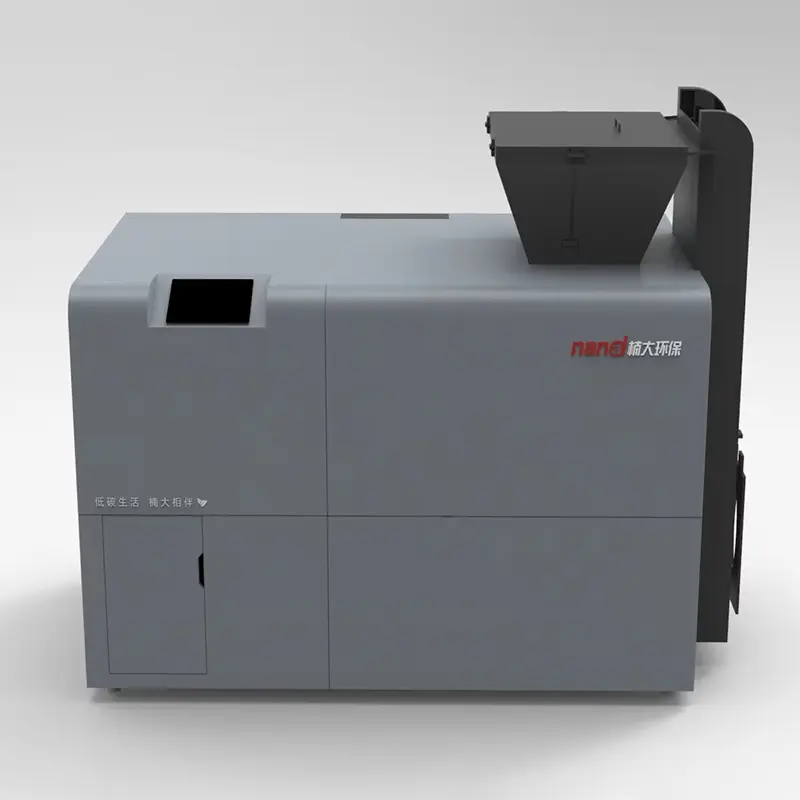 Nanda Trans Series-500
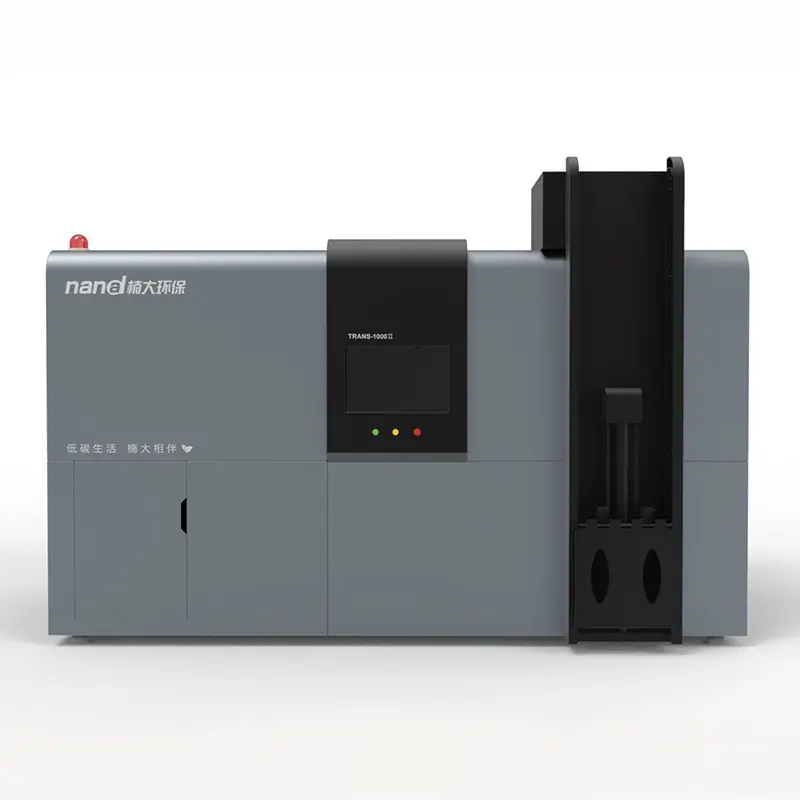 Nanda Trans Series-1000
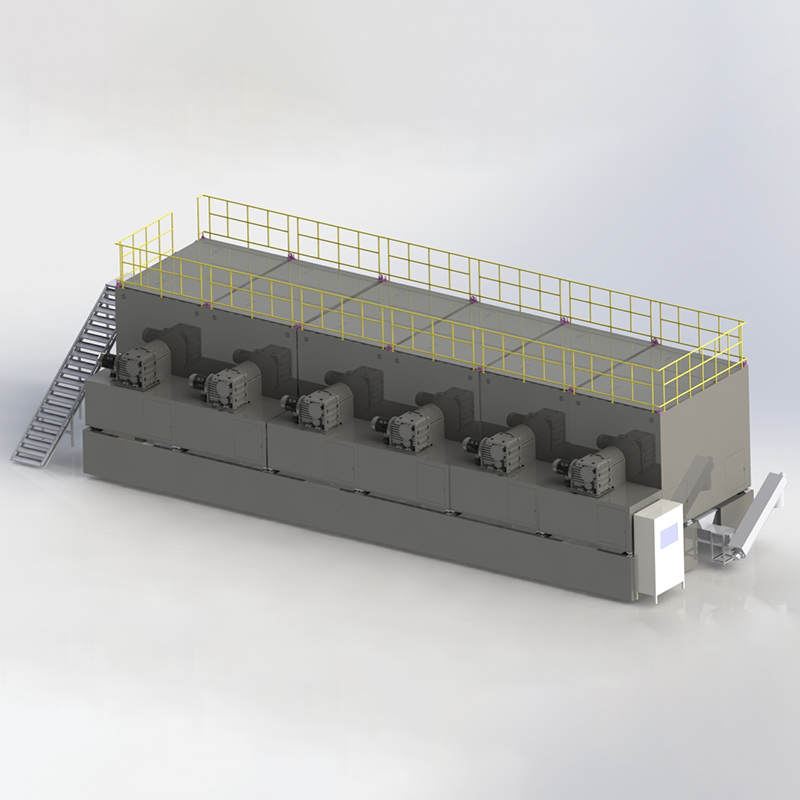 Nanda Trans Series-30000
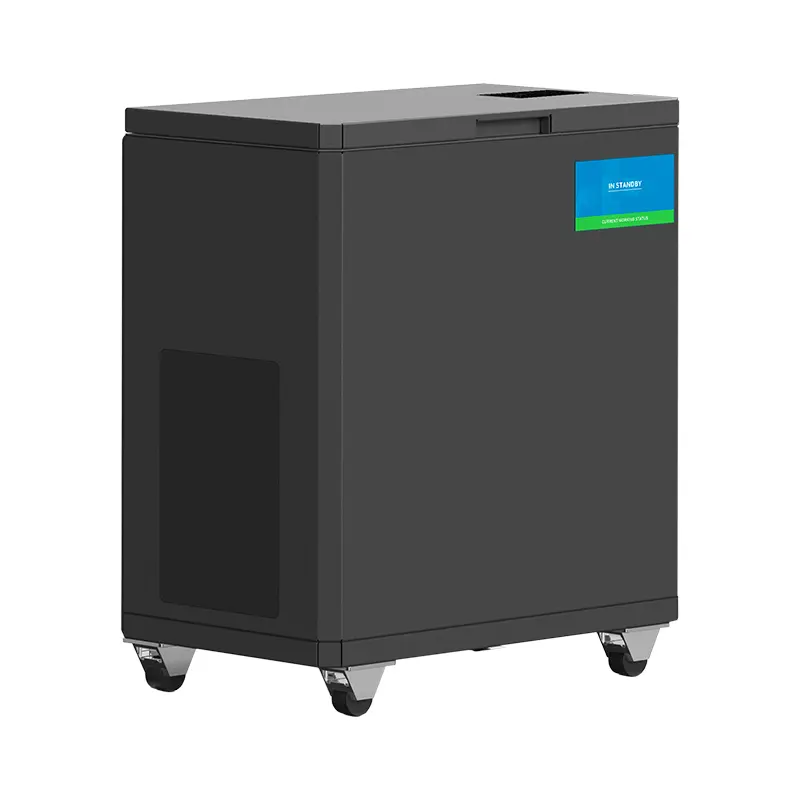 Nanda Thermax Series-100
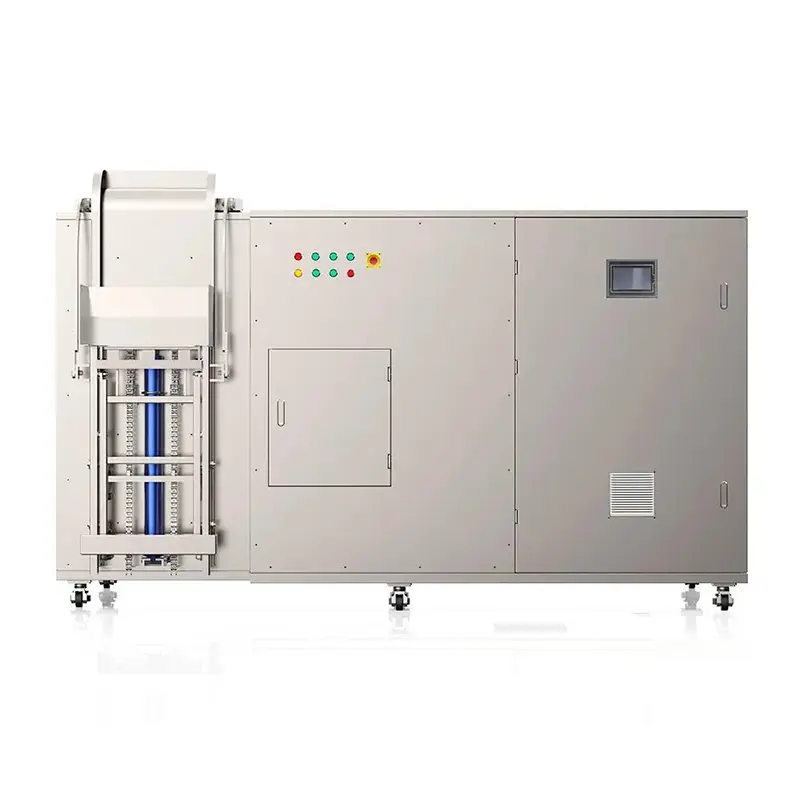 Nanda Thermax Series-200
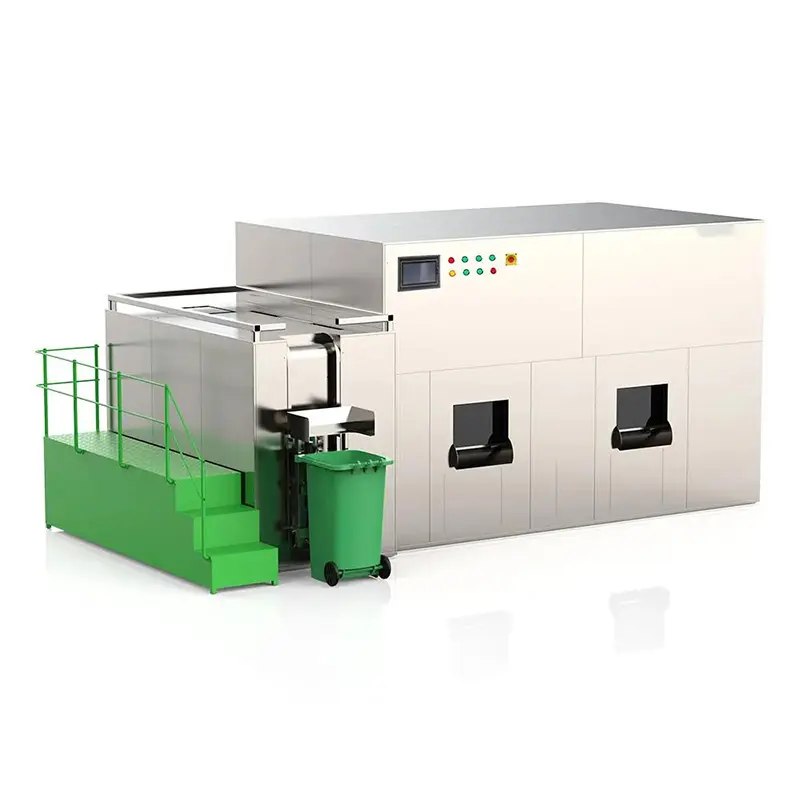 Nanda Thermax Series-2000
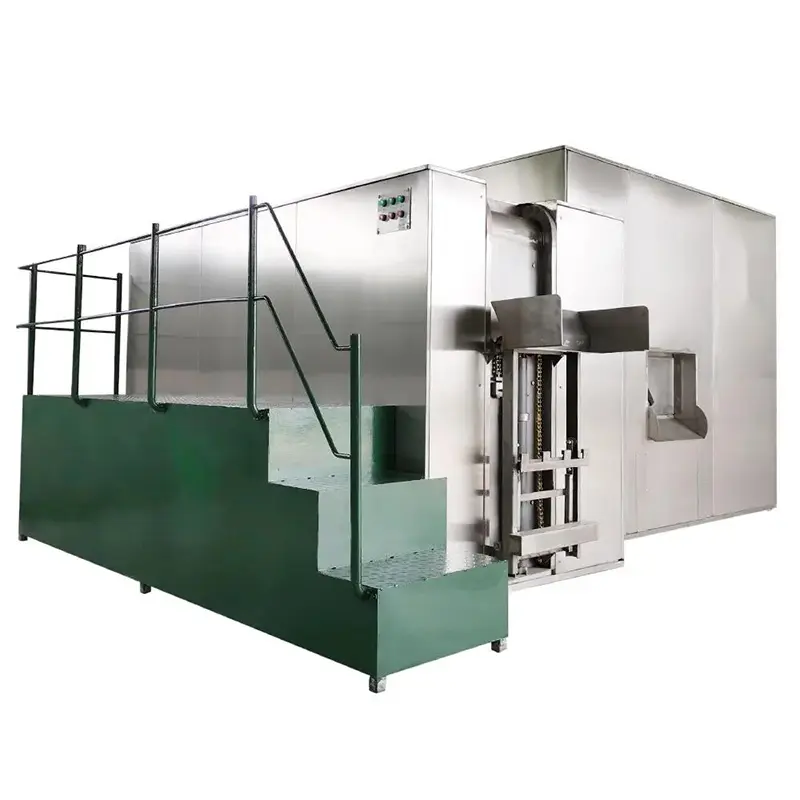 Nanda Thermax Series-10000
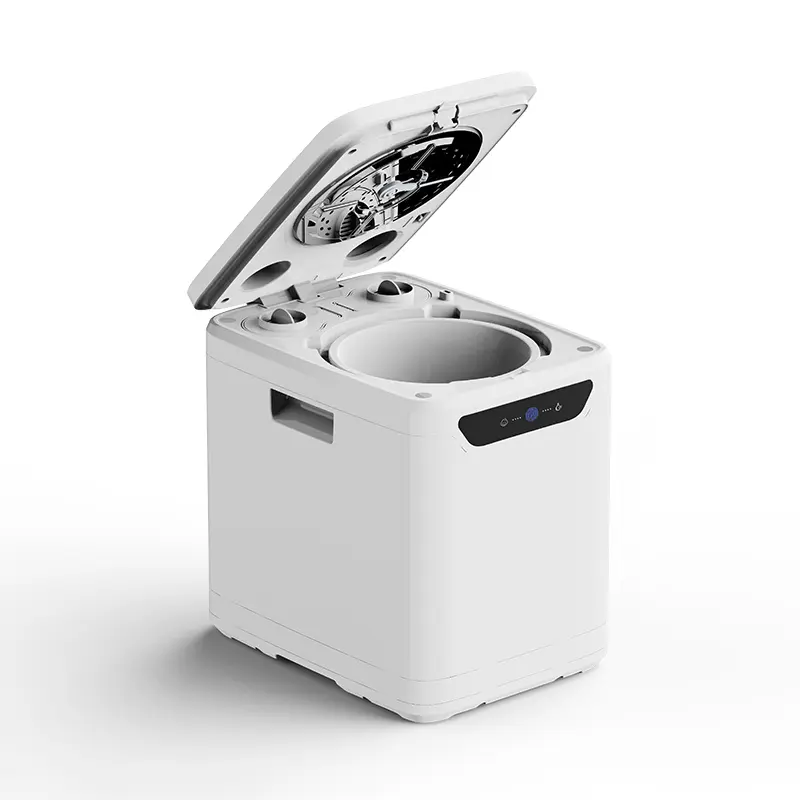 Nanda Turbo Series-3.5L-016
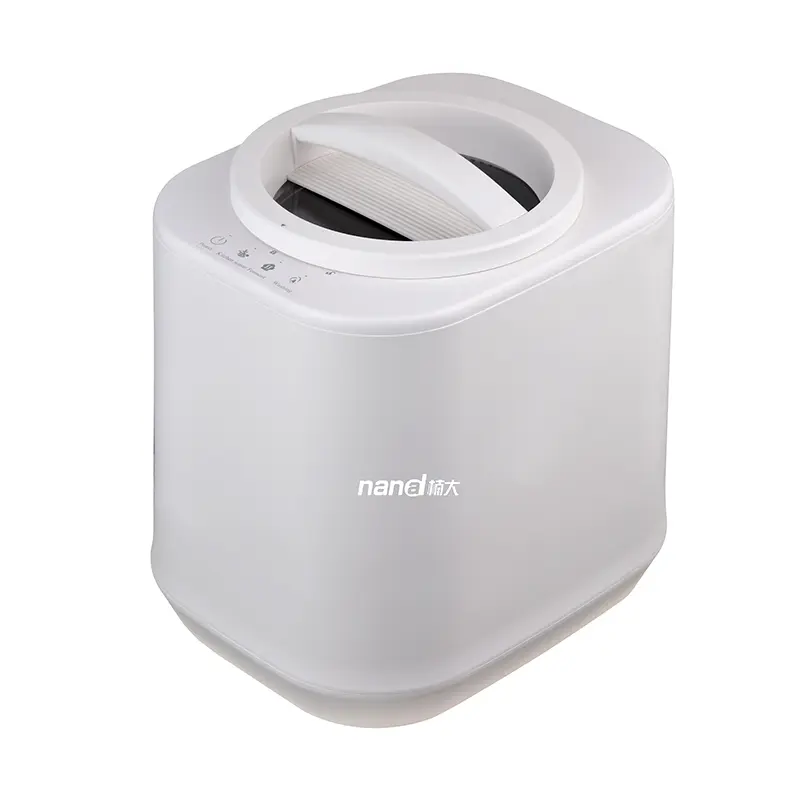 Nanda-Turbo Series-4L-011
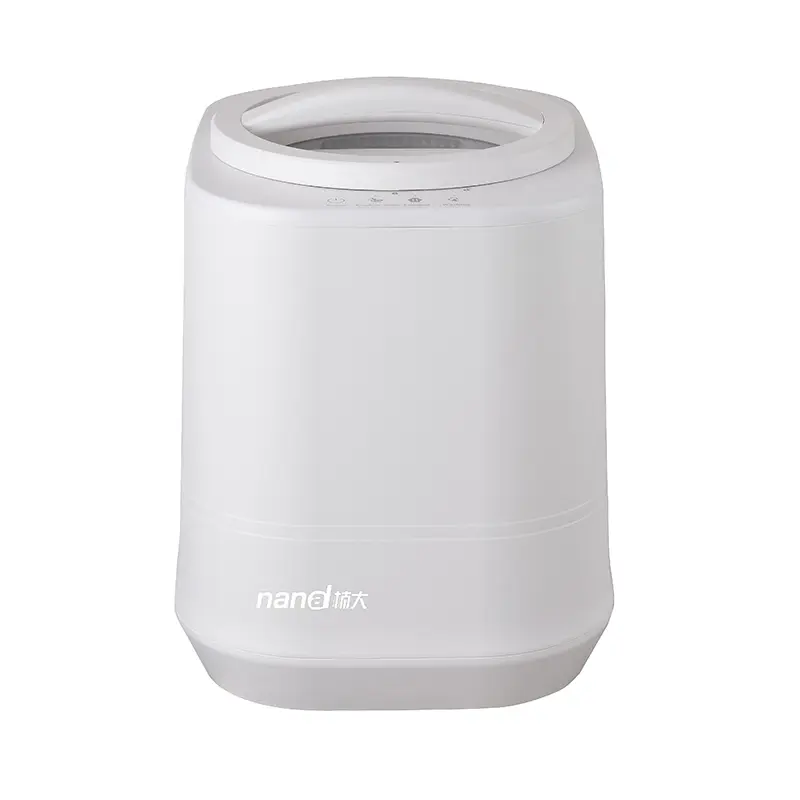 Nanda Turbo Series-4L-012
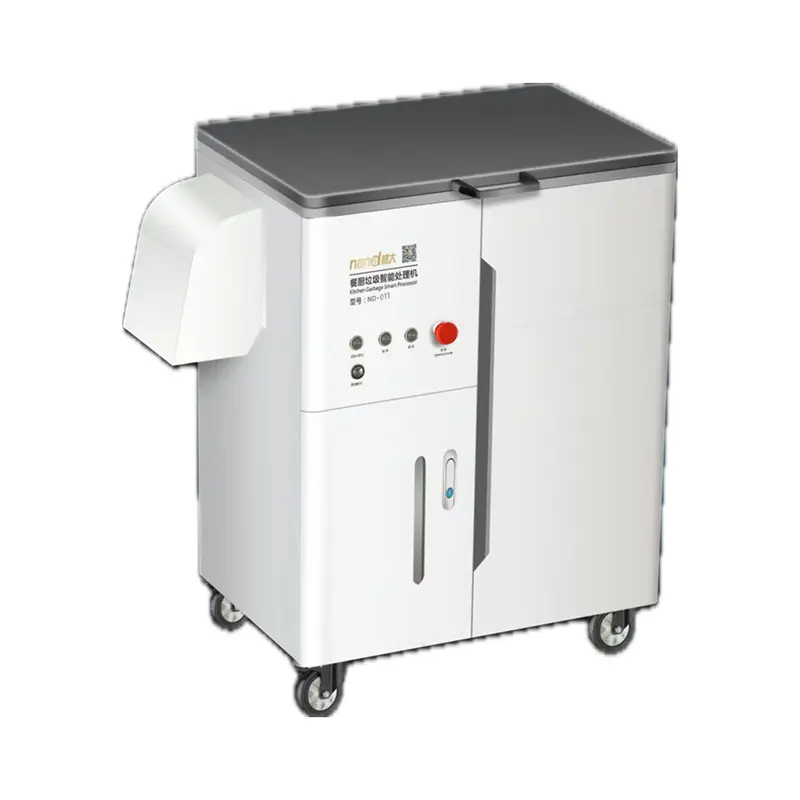 Oil-Water Separator