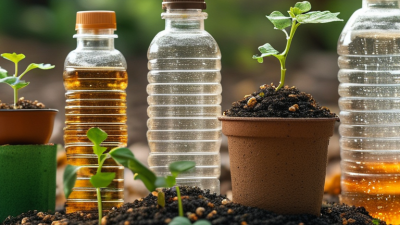
Top 5 Food Waste Decomposers You Must Know About?
Food waste is a pressing global issue, affecting our environment and resources. As we strive to minimize waste, understanding the role of food waste decomposers becomes vital. These organisms play a crucial role in breaking down organic matter. This process not only reduces waste but enriches our soil.
Food waste decomposers, such as bacteria, fungi, and worms, have unique functions. Each plays a specific part in transforming remnants into nutrient-rich compost. They offer an eco-friendly solution for disposing of food scraps. This practice promotes sustainable living and a circular economy.
However, not everyone is aware of how to effectively use these decomposers. Misunderstandings about their functions can lead to ineffective composting efforts. Choosing the right decomposer is key. By exploring the top five food waste decomposers, we can enhance our environmental stewardship. This knowledge empowers individuals to make informed choices in their waste management practices.
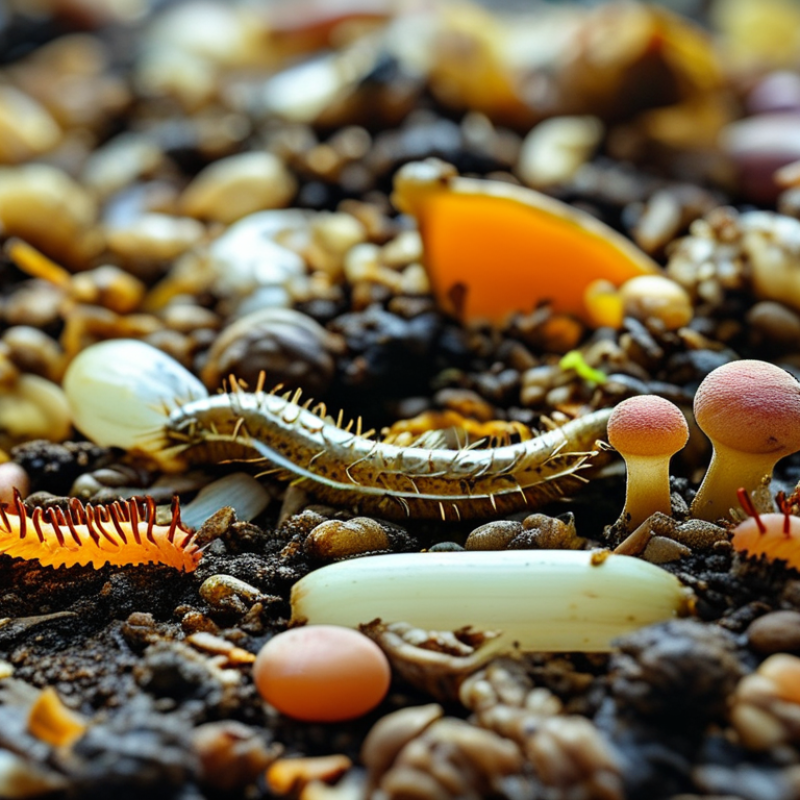
Top 5 Essential Food Waste Decomposers for Sustainable Management
Food waste is a major global issue, and effective decomposers play a crucial role in managing it. Composting worms, like red wigglers, contribute significantly to this process. They break down organic material rapidly, turning it into nutrient-rich compost. This helps reduce landfill waste and returns valuable nutrients to the soil. Their ability to process food scraps makes them essential for sustainable food waste management.
Another key player is the black soldier fly larvae. These larvae consume organic waste at an astonishing rate, thriving on fruits, vegetables, and even proteins. Their conversion of waste into high-quality feed for livestock is remarkable. However, their use isn't without challenges. People often overlook the need for proper temperature and humidity control when raising them.
Mushrooms, particularly oyster mushrooms, also excel in decomposing food waste. They can decompose materials like coffee grounds and crop leftovers effectively. Their mycelium breaks down tough organic matter, although they require specific environmental conditions to thrive. Without these conditions, the decomposition process can stall. Using these decomposers offers a practical approach to managing food waste sustainably while highlighting the importance of understanding their needs and limitations.
Top 5 Essential Food Waste Decomposers for Sustainable Management
Understanding the Role of Microorganisms in Organic Waste Decomposition
Understanding how microorganisms contribute to organic waste decomposition is crucial for effective waste management. Various microorganisms, including bacteria, fungi, and protozoa, play key roles in breaking down food waste. Bacteria are among the most efficient decomposers. They thrive on decaying matter, converting it into simpler compounds. Fungi, on the other hand, excel in breaking down tough materials like lignin and cellulose found in plant matter. Their unique enzymes transform organic waste into useful nutrients for the soil.
It's essential to maintain an optimal environment for these microorganisms. Temperature, moisture, and aeration affect their activity. Too much moisture can create anaerobic conditions, slowing down the decomposition process. When managing compost, aim for a balanced mix of green (nitrogen-rich) and brown (carbon-rich) materials. This balance fosters a thriving microbial community.
Remember that not every decomposer works the same way. Some are more efficient in specific conditions. Observing the process closely can reveal areas for improvement. For instance, if your compost pile smells bad, it may indicate insufficient aeration. Adjusting the mix and turning it regularly can help restore balance and enhance decomposition. Writing down observations can guide future composting efforts.
Key Benefits of Using Worms in Food Waste Composting Systems
Using worms in food waste composting systems offers numerous benefits that can significantly enhance the sustainability of waste management practices. Worms, particularly red wigglers, are renowned for their ability to consume organic waste rapidly. They break down food scraps into nutrient-rich castings that enrich soil, promoting healthy plant growth. Their digestion process thrives on a variety of organic materials, from vegetable peels to coffee grounds. This versatility ensures that more waste is diverted from landfills, reducing greenhouse gas emissions.
Moreover, introducing worms into composting can simplify the decomposition process. Traditional composting methods can take months to produce usable compost. In contrast, worms accelerate this process by efficiently processing waste in weeks. They also aerate the compost naturally. The result is a well-structured compost that retains moisture and enhances soil structure, making it more productive for gardening and landscaping.
However, relying solely on worms has its challenges. They require specific conditions, such as moisture and temperature levels, to thrive. A lack of these can hinder their efficiency. Additionally, not all food waste is suitable for worm composting; items like citrus and onions may harm them. Understanding these limitations is vital for maximizing the effectiveness of worm-based composting systems. Emphasizing awareness of their needs ensures a balance between waste reduction and maintaining a healthy worm population.
Exploring Fungi: Nature's Ultimate Decomposers of Organic Matter
Fungi play a crucial role in our ecosystem as natural decomposers. They break down organic matter, such as dead plants and animals. This process recycles nutrients back into the soil, promoting healthy plant growth. Without fungi, our environment would struggle to maintain balance. These organisms have evolved over millions of years to efficiently decompose various materials.
Mushrooms, a common type of fungi, are particularly effective at this task. Some species can even break down complex compounds like plastics. This remarkable ability highlights their significance in waste management. However, not all fungi are equally effective. Some may take longer to decompose certain materials, reflecting the diversity in their capabilities.
It’s essential to recognize the limitations of fungi. While they are powerful decomposers, they require specific conditions to thrive. Moisture and temperature can affect their performance. In composting, adding a variety of organic materials can help create a balanced ecosystem for fungi. This balance encourages faster decomposition and reduces food waste effectively. Remember, understanding these organisms deepens our appreciation for nature's recycling system.
The Impact of Decomposer Diversity on Soil Health and Crop Yield
Decomposer diversity plays a crucial role in maintaining soil health. Different types of decomposers—like bacteria, fungi, and earthworms—each contribute uniquely to the breakdown of organic matter. Bacteria are efficient at decomposing sugars and proteins, while fungi excel in breaking down tougher materials like cellulose. Earthworms mix soil and organic matter, enhancing nutrient availability. This variety ensures that all types of organic material are recycled effectively, promoting a healthy ecosystem.
The impact of diverse decomposers extends beyond just soil quality; it significantly influences crop yield as well. Healthy soil fosters better root development, allowing plants to absorb nutrients more efficiently. Research has shown that farms with high decomposer diversity consistently yield more robust crops. When soil organisms work in harmony, they create an optimal environment for plant growth. However, many agricultural practices overlook this diversity, relying heavily on chemical fertilizers instead. This error can lead to soil degradation over time. It’s essential to understand and appreciate the interconnectedness of soil organisms for sustainable farming practices.
Top 5 Food Waste Decomposers You Must Know About
| Decomposer |
Type |
Effects on Soil Health |
Impact on Crop Yield |
Common Locations |
| Earthworms |
Invertebrate |
Improve soil structure and aeration |
Increase nutrient availability |
Gardens, fields, forests |
| Fungi |
Microorganism |
Enhance nutrient cycling |
Support plant growth and health |
Soil, decaying wood, compost |
| Bacteria |
Microorganism |
Break down organic matter |
Improve soil fertility |
Compost piles, soil |
| Nematodes |
Microscopic worm |
Regulate microbial communities |
Enhance crop resilience |
Soil, compost |
| Termites |
Invertebrate |
Improve soil aeration and mix |
Boost organic matter decomposition |
Tropical and subtropical regions |

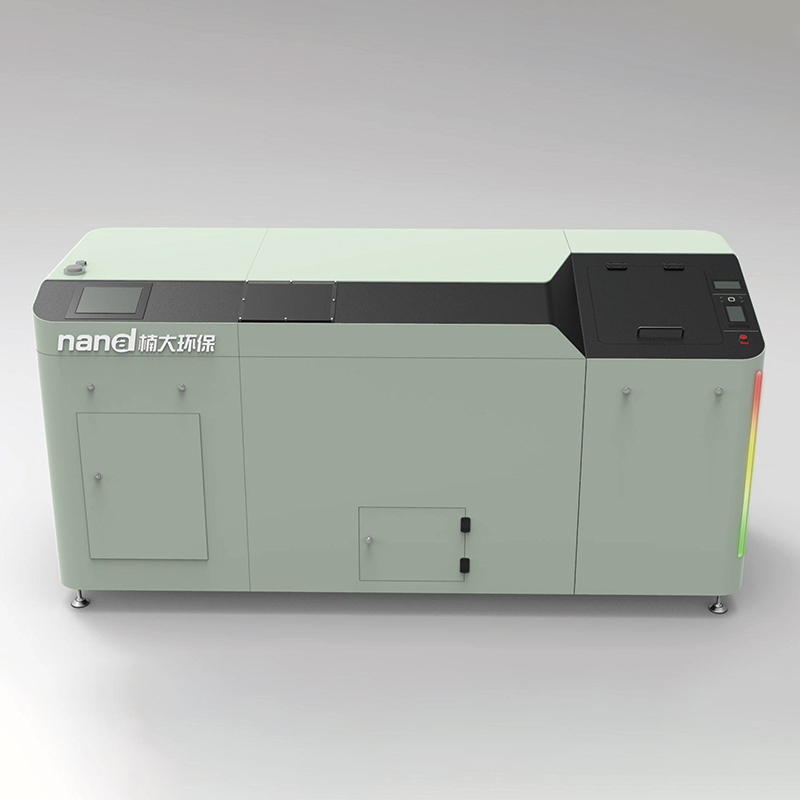 Nanda Trans Series-200
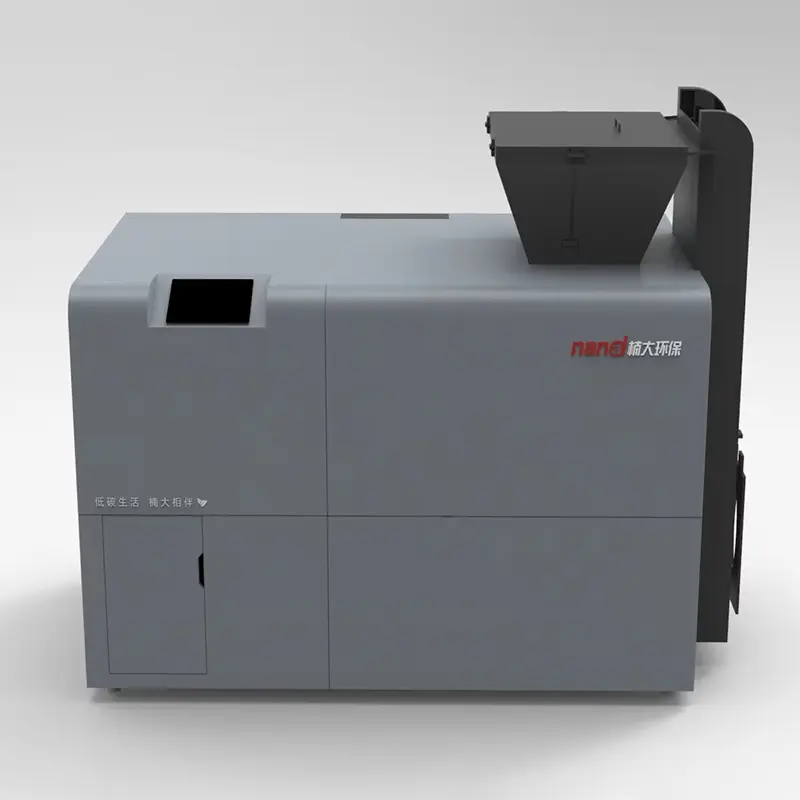 Nanda Trans Series-500
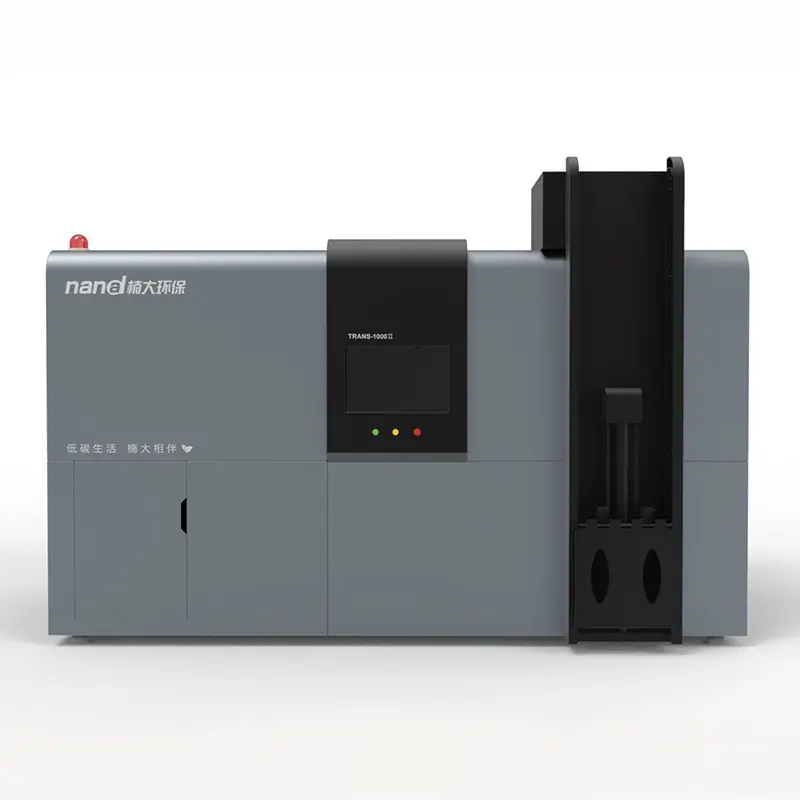 Nanda Trans Series-1000
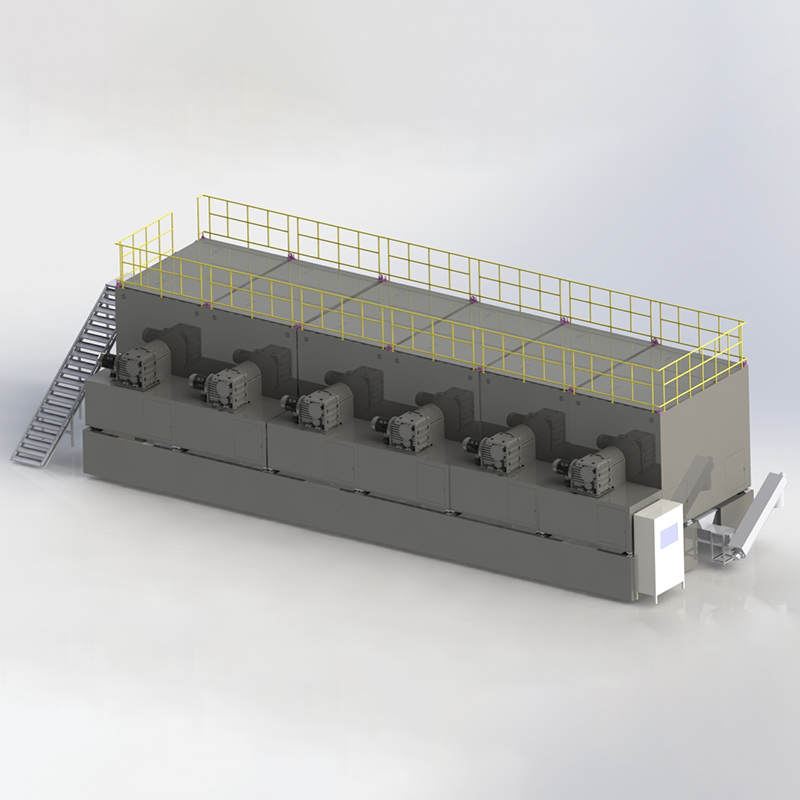 Nanda Trans Series-30000
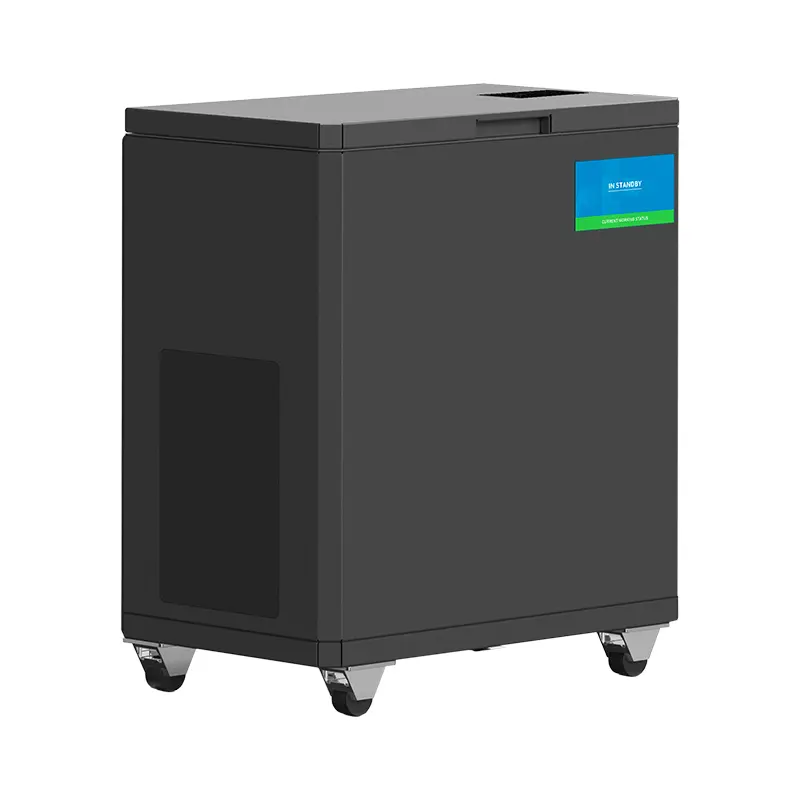 Nanda Thermax Series-100
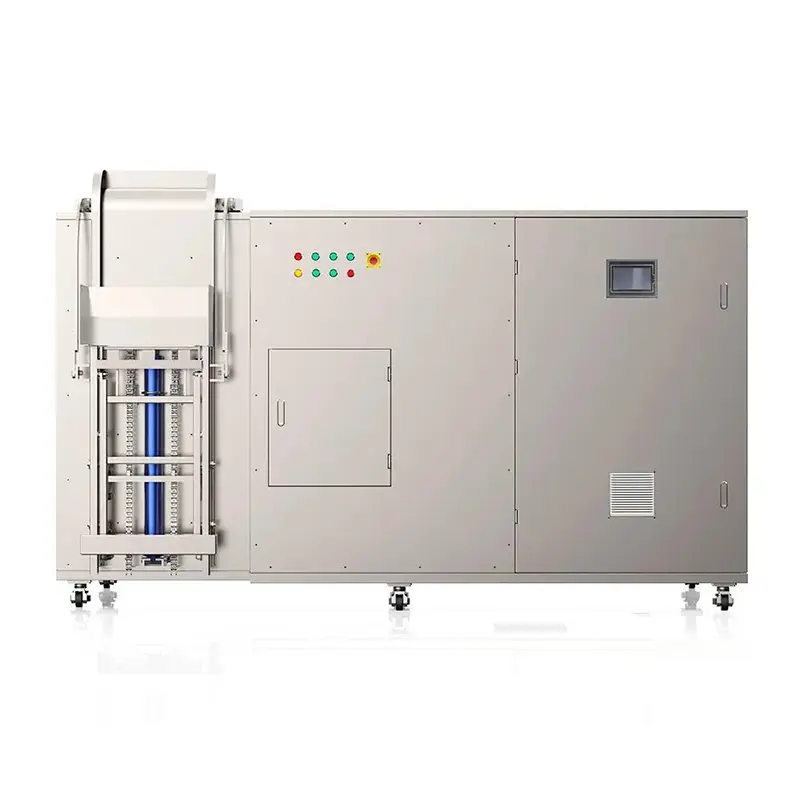 Nanda Thermax Series-200
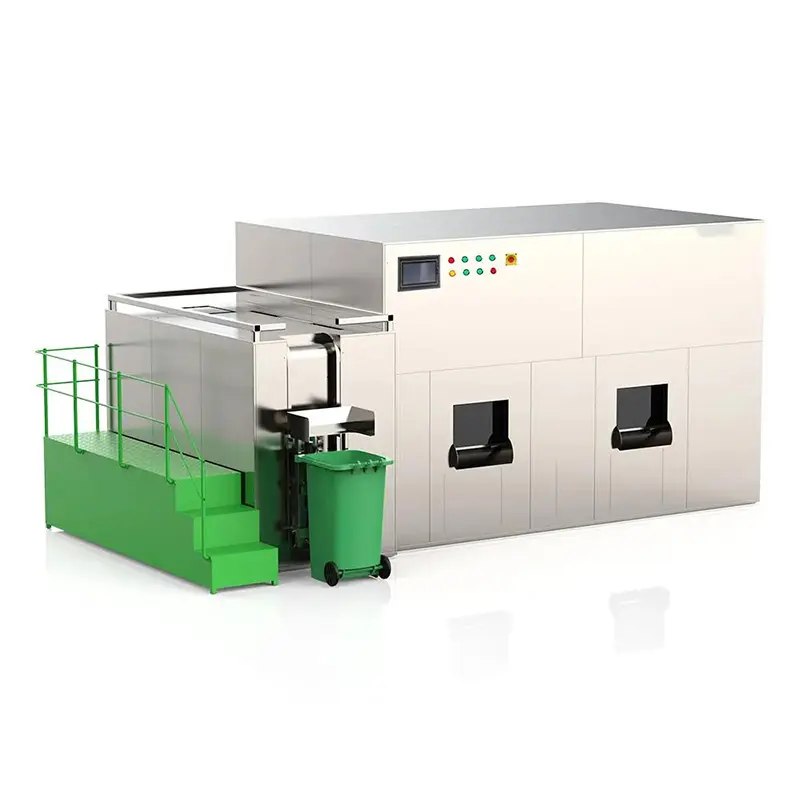 Nanda Thermax Series-2000
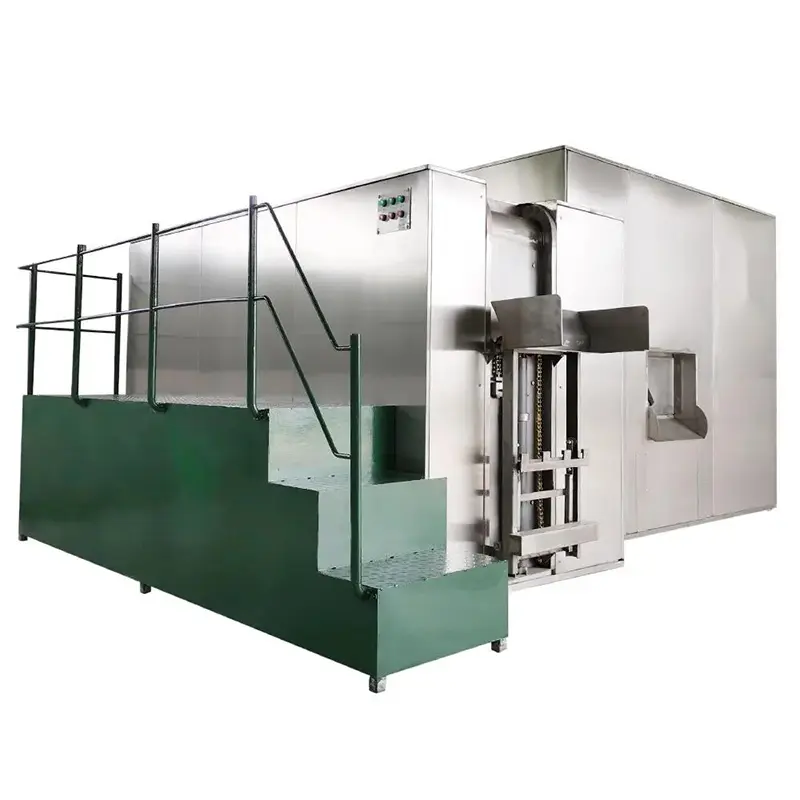 Nanda Thermax Series-10000
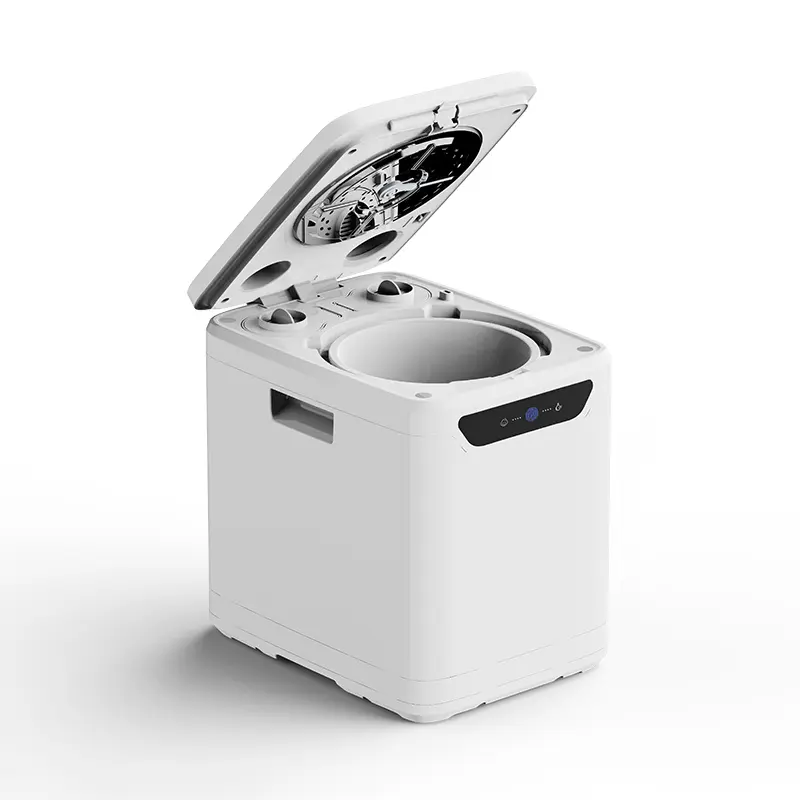 Nanda Turbo Series-3.5L-016
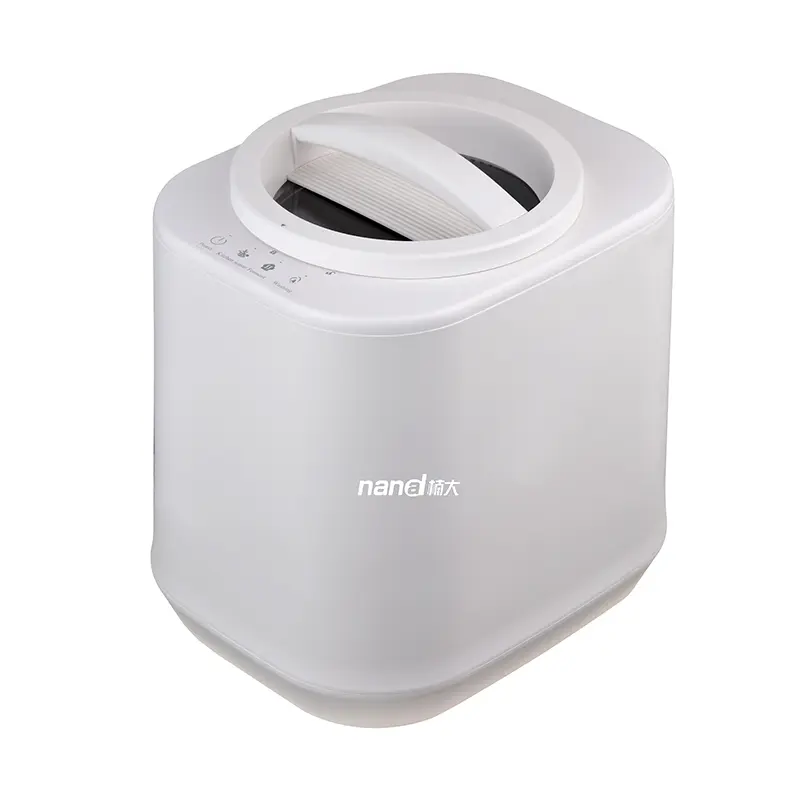 Nanda-Turbo Series-4L-011
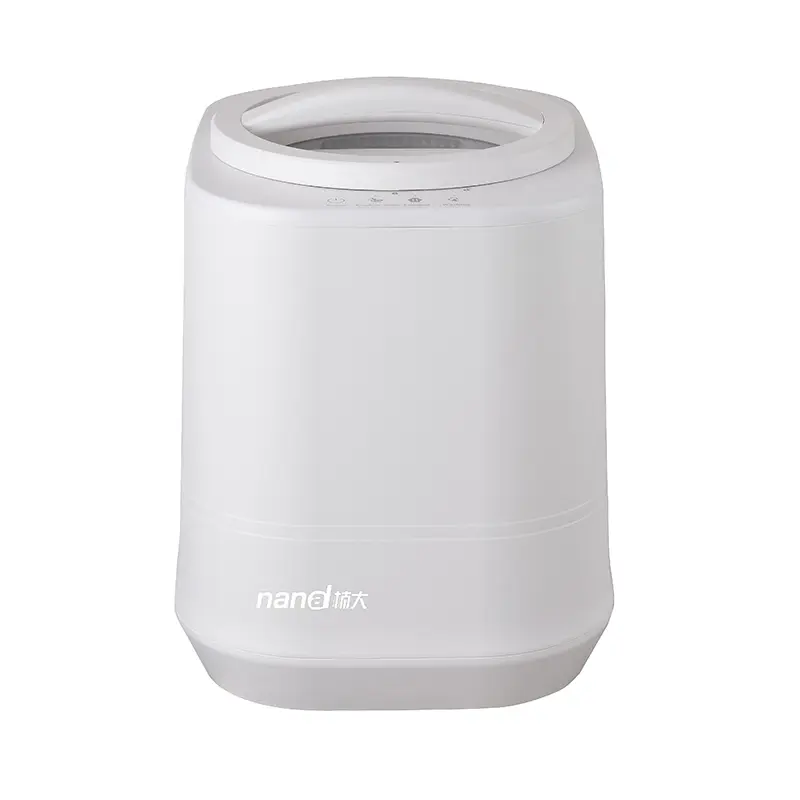 Nanda Turbo Series-4L-012
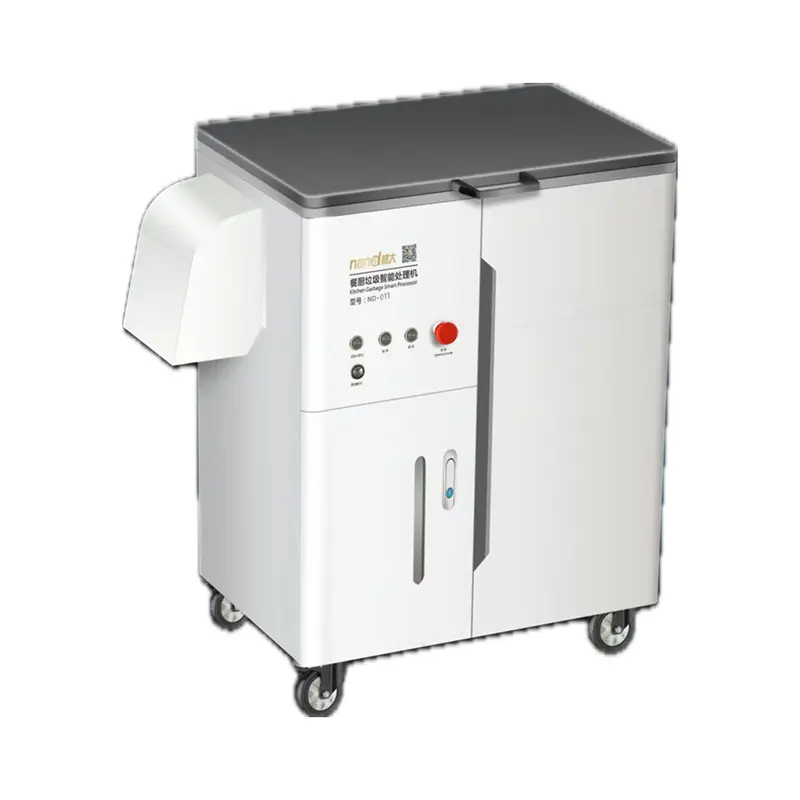 Oil-Water Separator