Global composting is moving from small farm practice toward organized resource recovery. The UNEP Global Waste Management Outlook 2024 estimates that the world generates about 2.3 billion tonnes of municipal solid waste yearly. That figure could reach 3.8 billion tonnes by 2050. Organic waste remains a major part of this stream.
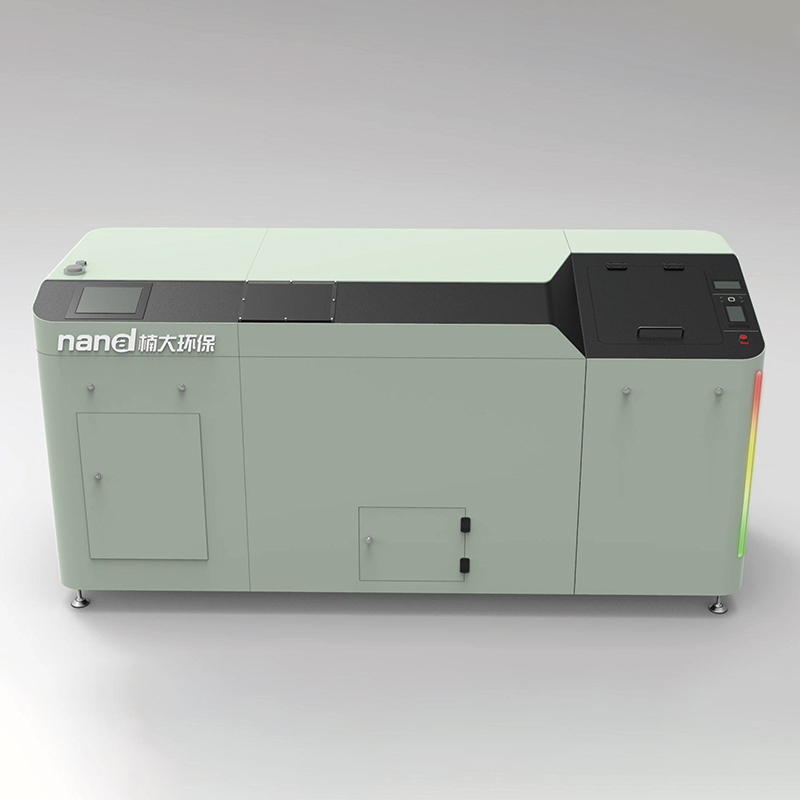
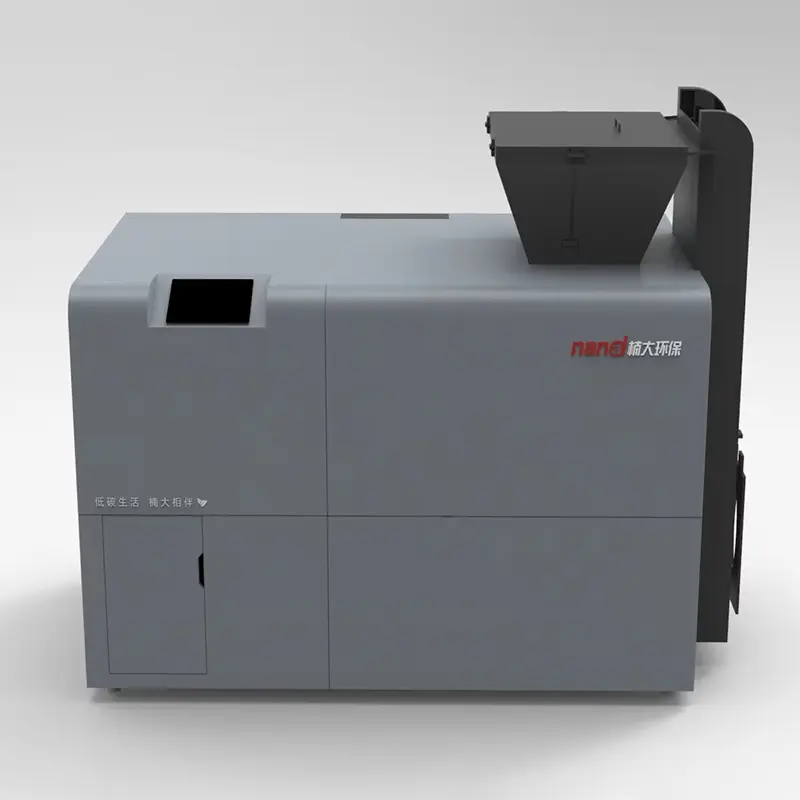
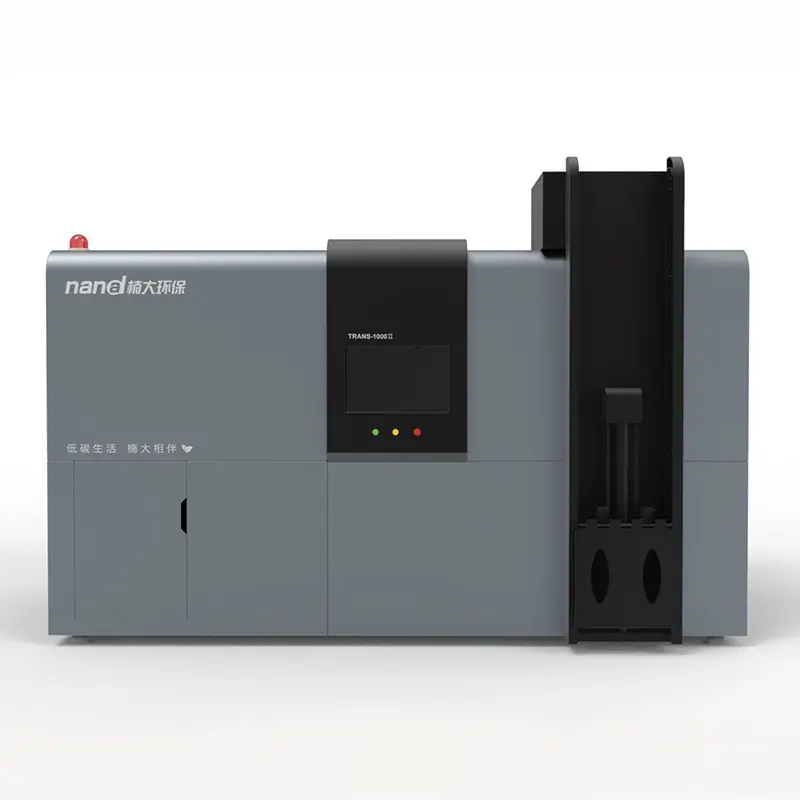
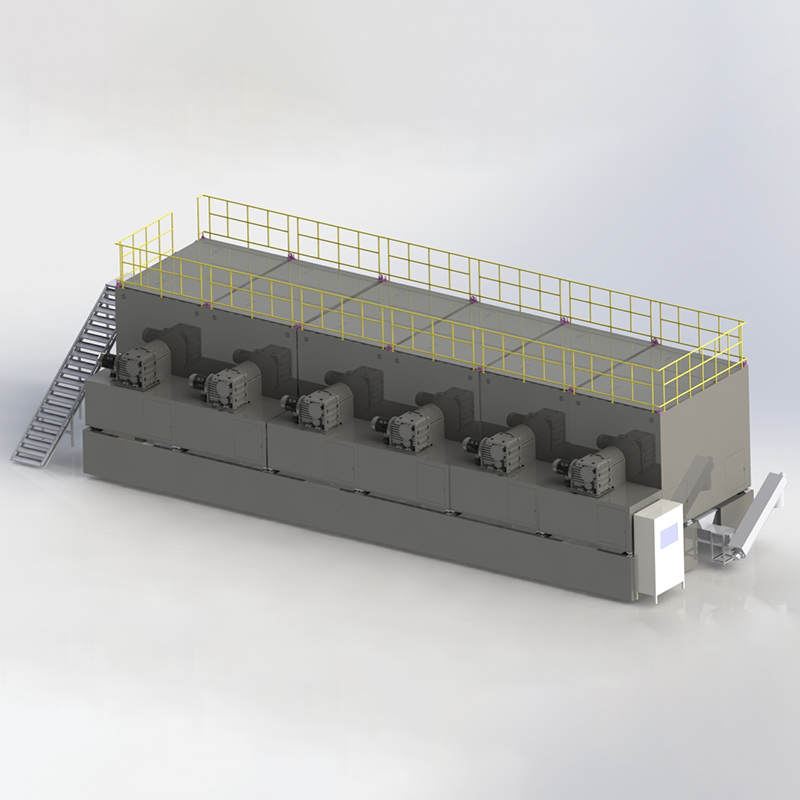
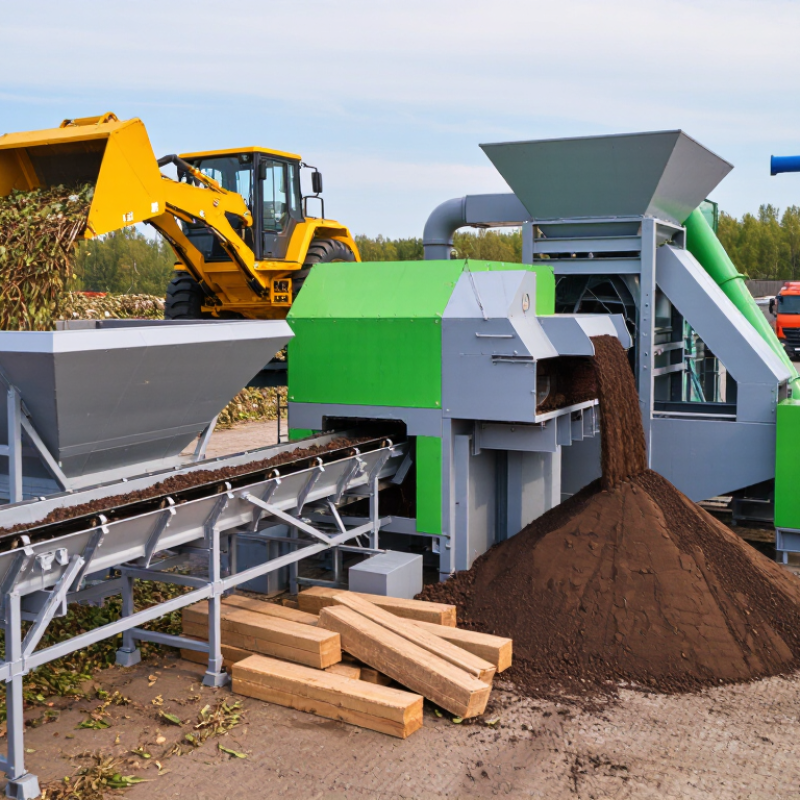
A reliable Compost Milling Machine can help convert bulky green waste, food scraps, and partially matured compost into a more uniform material. It can reduce oversized wood pieces, improve blending, and support more consistent screening. However, milling is not magic. Wet feedstock may clog the chamber, while stones and metal can damage cutting tools. Buyers should inspect moisture tolerance, cutting structure, hourly capacity, energy consumption, dust control, and local spare-parts support.
Dr. Sally Brown, a widely cited compost researcher, has stated, “Compost is a soil amendment, not a fertilizer.” That distinction matters when evaluating machine performance. A mill can improve particle size, but it cannot repair contaminated feedstock or replace biological maturity. The U.S. Environmental Protection Agency also emphasizes source reduction and organics management as practical strategies for reducing landfill pressure.
This 2026 guide compares machine designs, operating conditions, maintenance needs, and supplier claims for global buyers. It focuses on measurable details, including output texture and real-world throughput. Some advertised capacities may look impressive. They may not survive wet, mixed materials. That is worth questioning. A careful purchase should match local feedstock, climate, labor skills, and safety requirements rather than chase the largest number.
2026 Best Compost Milling Machine for Global Buyers
What Is a Compost Milling Machine?
A compost milling machine processes mature compost into a finer, more consistent material. Unlike a compost turner, it does not mainly mix or aerate organic piles. Its main task is size reduction.
Inside the chamber, rotating hammers, knives, or flails break apart dry clumps and light fibrous pieces. Some models combine milling with screening, allowing oversized wood fragments to exit separately. The finished compost may then spread more evenly through soil or pass smoothly through filling equipment.
Moisture matters greatly. Compost that is too wet can stick to the rotor and block the discharge opening. Material that is extremely dry may create dust during feeding. In practical operation, many facilities test a small batch before full production. That simple step can prevent hours of cleaning.
A reliable machine should match the compost’s texture, daily capacity, and required particle size. Buyers should check rotor wear, screen access, motor protection, and emergency stopping systems. Local voltage and transport conditions also deserve attention. A machine rated for high output may still perform poorly with stringy fibers or stones.
Real sites are rarely perfect. Feedstock changes after rain, and contamination sometimes slips through sorting. Operators must inspect incoming material and adjust the feed rate. I have found that slower feeding often produces better uniformity, even when it reduces hourly output. That trade-off deserves honest evaluation.
A compost milling machine reduces screened or partially decomposed organic material to a more uniform particle size. The required size depends on the final application, such as mulch, general soil amendment, potting blends, or fine top dressing. The figures below show common target particle-size ranges used in compost processing; actual results depend on moisture, feedstock, screen size, and machine settings.
Typical target particle sizes are presented as representative processing guidelines rather than fixed machine specifications. Buyers should confirm throughput, feed moisture limits, screen configuration, power requirements, and local electrical standards before selection.
2026 Best Compost Milling Machine for Global Buyers
Compost milling machines reduce bulky organic material into more uniform particles. Their work begins with controlled feeding, not aggressive grinding. Operators remove stones, metal, glass, and oversized wood before milling. This protects cutting tools and improves feed consistency. The 2024 UNEP Food Waste Index estimates that 1.05 billion tonnes of food were wasted in 2022. That volume shows why reliable organic processing matters.
Inside the chamber, rotating cutters tear material against fixed blades or screens. Smaller openings create finer particles, while larger screens improve throughput. A practical target often falls between 10 and 30 millimeters, depending on the compost recipe. Moist material can smear across screens and block airflow. Dry material may create dust and uneven discharge. Moisture control matters greatly. The U.S. Environmental Protection Agency reports that food represents about 24% of landfilled municipal solid waste by weight in its latest detailed national dataset. Milling cannot solve contamination alone, but it can support better biological processing.
Global buyers should compare motor load, screen access, cleaning time, and spare-part availability. A machine that processes 10 tonnes hourly on paper may perform poorly with wet, fibrous feedstock. That assumption deserves testing. Field trials should measure particle size, energy use, noise, and downtime across several batches. The World Bank’s What a Waste 2.0 report projected global municipal waste could reach 3.40 billion tonnes annually by 2050. This pressure favors equipment built for steady operation, though no mill performs perfectly under every organic condition.
Key Types of Compost Milling Machines in 2026
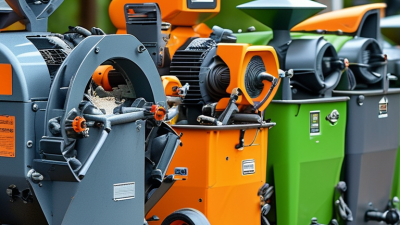
Global buyers should match the milling machine to feedstock moisture, contamination, and required particle size. UNEP’s Food Waste Index Report 2024 estimates that 1.05 billion tonnes of food waste were generated in 2022. That volume increases demand for reliable organic waste processing. Hammer mills suit relatively dry green waste, shredded branches, and mature compost. Their swinging hammers create a consistent texture, but stones can damage screens and wear parts.
For wet food waste, semi-wet material crushers often perform better. Their wider passages reduce blockage around sticky materials. Chain crushers handle fibrous inputs, including vegetable stems and partially decomposed plant matter. Cage mills can produce finer output, although excessive reduction may consume more electricity than necessary. The World Bank’s What a Waste 2.0 report projects municipal solid waste could reach 3.4 billion tonnes annually by 2050. Better size control will matter as treatment facilities expand.
Real operating conditions remain decisive. A machine rated for 10 tonnes per hour may achieve less with wet, contaminated feedstock. Measure moisture and bulk density before purchasing. Check rotor access, screen replacement time, dust control, and emergency shutdown design. Keep metal and glass out. Small mistakes become expensive. One practical weakness is often overlooked: a powerful crusher cannot correct poor sorting. Buyers should request test processing with their own material, review energy consumption under load, and compare maintenance records from similar facilities.
| Machine Type | Primary Crushing Mechanism | Typical Feed Material | Recommended Feed Moisture | Indicative Capacity | Typical Installed Power | Common Finished-Particle Range | Main Advantages | Key Limitations | Best Application |
|---|---|---|---|---|---|---|---|---|---|
| Semi-Wet Material Crusher | High-speed rotor with impact and shearing action | Wet compost, decomposed manure, food-waste compost and organic fertilizer cake | Usually suitable for approximately 20–40% moisture, depending on feed structure | Approximately 2–15 t/h | Approximately 22–75 kW | About 2–10 mm, depending on screen and rotor configuration | Handles sticky feed Reduced pre-drying Good for compost plants | Wear parts require regular inspection; very fibrous material may need pre-cutting | Wet compost processing and organic fertilizer production |
| Hammer Mill | Rotating hammers impact material against a screen or breaker plate | Dry compost, plant residues, straw fragments, dry manure and screened organic feedstock | Generally most effective below approximately 15–20% moisture | Approximately 1–20 t/h | Approximately 15–110 kW | About 1–8 mm, controlled mainly by screen openings | Simple design Adjustable sizing Widely serviceable | Performance can decline with wet, cohesive feed; dust control is normally required | Dry compost refining and preparation before pelletizing or blending |
| Chain Mill | Heavy chains mounted on a rotating disc provide impact and tearing | Compost lumps, manure-based fertilizer, moderately moist organic aggregates and agglomerated material | Commonly used around 15–30% moisture, subject to material stickiness | Approximately 3–25 t/h | Approximately 22–90 kW | About 3–15 mm | Breaks hard lumps High impact force Suitable for coarse crushing | Particle size is less uniform than with fine-screen milling; chains are wear components | Primary size reduction of compost and fertilizer lumps |
| Cage Crusher | High-speed counter-rotating cages crush material through repeated impact | Dry or semi-dry compost, compound fertilizer, mineral-organic blends and brittle lumps | Generally preferred below approximately 15–20% moisture | Approximately 5–30 t/h | Approximately 22–132 kW | About 1–10 mm | High throughput Effective lump breaking Compact footprint | Not ideal for highly wet or stringy material; cage and liner wear should be monitored | Commercial compost and fertilizer lines requiring continuous crushing |
| Vertical Shaft Crusher | Vertical rotor uses impact, friction and repeated material circulation | Compost mixed with dry bulking agents, organic-mineral blends and moderately hard agglomerates | Usually most stable with approximately 10–25% moisture | Approximately 5–40 t/h | Approximately 30–160 kW | About 2–12 mm | Strong lump reduction Continuous operation Suitable for larger lines | Higher power demand than basic coarse crushers; feed uniformity improves performance | Medium- and large-scale compost or organic fertilizer processing |
| Pin Mill | High-speed pins create intensive impact and attrition | Dry, brittle and previously screened compost components, biochar and fine organic additives | Typically preferred below approximately 10–15% moisture | Approximately 0.2–8 t/h | Approximately 11–75 kW | Approximately 0.2–3 mm | Fine particle production Good blending performance Compact equipment | Unsuitable for wet or fibrous feed; dust extraction and wear-resistant parts are important | Fine compost powder, specialty soil amendments and additive preparation |
| Roller Crusher | Material is compressed and sheared between one or more rotating rolls | Dry compost granules, compacted fertilizer and uniform, low-fiber feedstock | Generally effective below approximately 15–20% moisture | Approximately 2–20 t/h | Approximately 15–90 kW | About 2–10 mm, depending on roll gap | Low dust generation Adjustable gap Consistent coarse sizing | Rolls can become blocked by sticky feed; fibrous material may wrap around the rolls | Controlled crushing of dry, granular compost and fertilizer products |
| Integrated Crusher and Screening Unit | Combines impact or cutting reduction with vibrating, rotary or trommel screening | Mixed compost containing oversize pieces, light contaminants and variable-size particles | Often operated around 20–45% moisture, depending on screening technology and compost maturity | Approximately 3–30 t/h | Approximately 25–150 kW for the complete processing unit | Commonly produces separated fractions such as 0–10 mm and oversize return | Single-stage processing Improved product uniformity Reduced manual sorting | Higher purchase and maintenance complexity; screen blinding may occur with very wet compost | Municipal composting, commercial soil products and turnkey processing lines |
Technical note: Capacity, power, moisture tolerance and particle size are indicative engineering ranges rather than guaranteed ratings. Actual performance depends on compost maturity, fiber content, bulk density, feed uniformity, screen opening, rotor speed, operating schedule and the required final specification. Global buyers should confirm electrical frequency, safety requirements, dust-control provisions, spare-part availability and local compliance before purchase.
The 2026 Best Compost Milling Machine is not simply the machine with the highest motor power. Global buyers should compare specifications against their actual compost feedstock, climate, and production targets. Through practical equipment evaluations, I have found that moisture changes performance dramatically. A machine handling dry, screened compost may struggle with wet, fibrous material. Ask for verified capacity, not only advertised capacity. Request test results using samples similar to yours.
Compare rotor speed, torque, screen diameter, feed opening, and discharge size together. A fine screen can improve product consistency, but it may reduce hourly output and increase wear. Check whether the milling chamber has replaceable wear parts. Inspect bearing protection and dust-control design, especially in enclosed facilities. Electrical requirements also matter. Voltage, frequency, motor efficiency, and starting current must match the destination site. A specification sheet can look complete and still hide an expensive installation problem.
Tips: Send representative samples before ordering. Measure moisture content. Confirm capacity at your required particle size. Ask for noise and dust readings. Check spare-part availability, operator training, warranty terms, and service response times. I would also request a factory test video, though videos can be selective. A live trial is more reliable. Do not ignore transport dimensions, lifting points, or local safety certification requirements. These details feel minor until the machine reaches the jobsite.
Place it on a level concrete surface with enough space for feeding, cleaning, and emergency access. Check the motor direction before loading material. Incorrect rotation can damage internal components quickly. Connect dust control equipment where required, especially in enclosed workshops. Operators should receive practical training, not only written instructions. This matters more than many buyers expect.
Keep guards fitted around belts, shafts, and feeding openings. Never remove blockages while power remains connected. Use lockout procedures, protective gloves, eye protection, and suitable hearing protection. Moist compost can become heavy and slippery. Clean the floor often. Small habits prevent serious injuries. Still, some installations overlook emergency stop testing, which deserves regular attention.
Inspect blades, screens, bearings, and fasteners each shift. Remove wire, stones, and metal before milling. Lubricate only with the recommended product and frequency. Record vibration, unusual noise, and output changes. These notes help technicians identify wear earlier. Spare screens and cutting parts should be stored dry and clearly labeled. After-sales support should include installation guidance, operating videos, parts availability, and responsive technical communication. Remote help is useful, but complex faults may still require a qualified local technician. That limitation should be discussed before purchase.