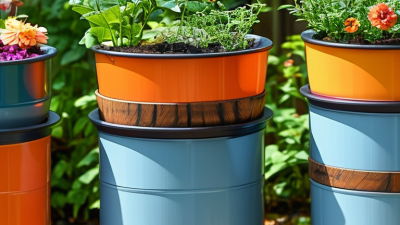
Top 5 Tips for Choosing the Best Kitchen Waste Disposer?
Choosing the right Kitchen Waste Disposer can greatly enhance your kitchen experience. With so many options available, it can be overwhelming. This essential appliance helps manage food waste efficiently. A high-quality disposer can reduce odors, lower waste volume, and save on garbage bags.
When selecting a Kitchen Waste Disposer, consider the power of the motor. A stronger motor will handle tougher waste easily. Look for durability as well; a disposer made from sturdy materials will last longer. Newer models often feature advanced sound insulation, which minimizes noise during operation. This can be a crucial factor for those in apartments or shared spaces.
It’s also important to consider installation and maintenance. Some units are easier to install than others. Think about the space under your sink. Limited space may affect your choice. Lastly, reflect on your waste habits and choose accordingly. Selecting the right Kitchen Waste Disposer is about balancing power, durability, and your personal needs in the kitchen.
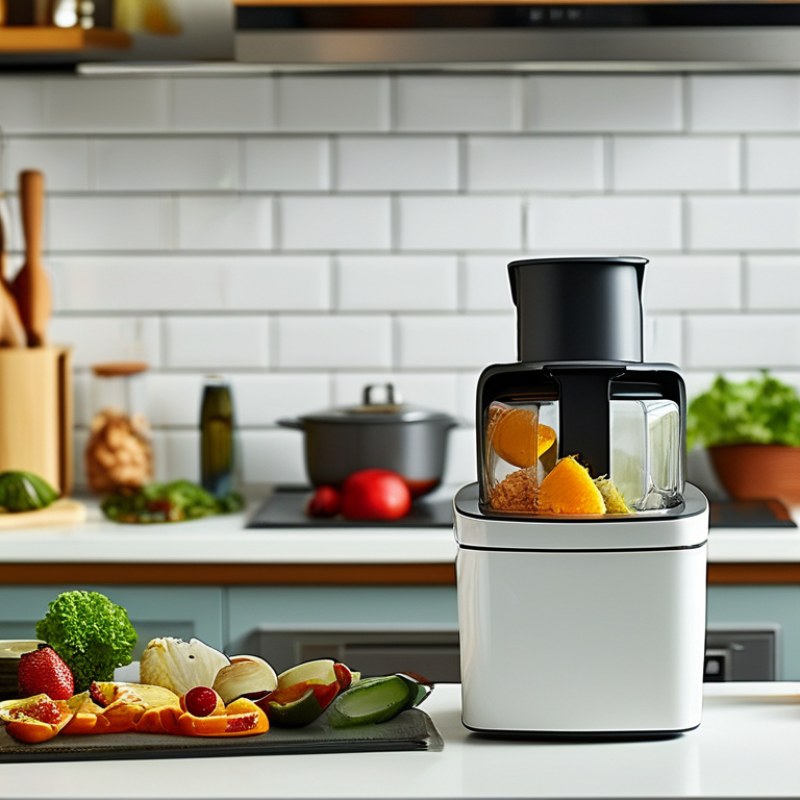
Top Kitchen Waste Disposer Features to Consider for Optimal Performance
When selecting a kitchen waste disposer, it’s crucial to recognize the essential features for optimal performance. One key aspect is the power of the motor. A motor with at least 1,000 watts can effectively grind tough food scraps, reducing the chances of clogs. Lower-powered units may struggle, resulting in frustrating jams and a slower disposal process. This imbalance can lead to lingering odors in your kitchen if waste isn't processed quickly.
Another important feature is the grind chamber capacity. A larger chamber can handle more waste, making it suitable for households that produce significant disposal needs. However, if space is tight under your sink, you might face challenges with installation and storage. Considering the size and efficiency of the device can prevent future complications.
Noise level is often overlooked yet deserves attention. Some disposers operate quietly, while others can be quite loud. If you have a small kitchen or live in a shared space, a quieter model may improve your kitchen experience significantly. Look for features like sound insulation when comparing options. Balancing these various characteristics can be tricky, as prioritizing one might mean compromising another. Reflecting on your specific household needs will guide you towards the best choice.
Understanding Motor Power: How It Affects Grinding Efficiency in Disposers
When selecting a kitchen waste disposer, understanding motor power is crucial. The motor's strength directly affects grinding efficiency. A powerful motor can handle tougher food scraps effortlessly. For instance, larger motors often chop fibrous vegetables and hard bones better.
Choosing the right motor power ensures your disposer functions effectively. Look for a unit with at least 1,000 watts for optimal results. Lower wattage models may struggle with certain waste, leading to potential blockages. You might find yourself clearing jams more often than you’d like. Not an ideal situation for a smooth kitchen operation.
Consider the frequency of use and types of food waste in your kitchen. If you often process tough waste, a powerful motor is a wise choice. Remember, balance price and efficiency. Sometimes, a higher price means better durability and performance. Investing in quality can save time and hassle in the long run.
Understanding Motor Power: Effects on Grinding Efficiency in Kitchen Waste Disposers
Noise Levels in Kitchen Waste Disposers: What Makes a Quiet Model?
When selecting a kitchen waste disposer, noise levels are an important consideration. Many homeowners prioritize quiet models to create a more pleasant cooking environment. According to recent industry data, the average noise level of kitchen waste disposers ranges from 80 to 90 decibels when in operation. This is comparable to the sound of a vacuum cleaner. Choosing a model with advanced sound insulation can significantly reduce this noise.
Quiet models often utilize sound-deadening materials and technologies such as insulated motor casings. These features can help lower noise levels to around 60 decibels, which is similar to normal conversation. This not only enhances the kitchen experience but also encourages regular use, making it easier to manage food waste. The benefit is clear: quieter disposers promote a more enjoyable cooking space.
Research indicates that users might overlook noise levels in favor of other features. However, understanding the importance of quiet operation can lead to greater satisfaction. It might be tempting to focus solely on price or horsepower, but investing in a quieter model can lead to better long-term usage. Remember, an informed choice enhances kitchen efficiency and comfort.
Top 5 Tips for Choosing the Best Kitchen Waste Disposer
| Feature |
Details |
| Motor Power |
1/2 HP to 1 HP - Higher power for tougher waste |
| Noise Levels |
Models ranging from 40 dB (quiet) to 80 dB (loud) |
| Feed Type |
Batch feed (manual start) and continuous feed (automatic start) |
| Materials |
Stainless steel grinding components for durability |
| Warranty |
Ranges from 1 year to lifetime warranty depending on model |
Durability and Build Quality: Assessing Materials for Long-lasting Use
When selecting a kitchen waste disposer, durability and build quality are critical factors. The materials used in the construction directly affect the lifespan of the disposer. Stainless steel is a top choice for grinding components. It can resist corrosion and rust, ensuring a longer life. Look for disposers with reinforced housing to withstand frequent use.
Before purchasing, check the thickness of the metal. Thicker materials tend to be more durable. Some models use plastic for certain parts. While this may reduce weight, it often compromises durability. Users might find that plastic counterparts can crack over time. Always assess user reviews to gauge the real-life performance of the unit.
Consider the warranty offered. A longer warranty often reflects the manufacturer's confidence in the product's build quality. If possible, test the unit before buying. Listen for unusual noises that might indicate poor construction. Durability doesn't only depend on material; proper installation and regular maintenance also play a vital role in longevity.
Best Brands and Models in the Market: Data-Driven Recommendations and Reviews
Choosing the best kitchen waste disposer requires careful consideration of several key factors. Research shows that noise levels are a significant concern for many consumers. In fact, a survey indicated that 70% of users are sensitive to loud appliances. Selecting models with sound insulation features can be a wise decision for peaceful kitchens.
Durability is another crucial aspect. According to a report from a reputable kitchen appliance research firm, disposers typically last between 8 to 15 years, depending on usage and maintenance. Stainless steel components often signify better durability and resistance to corrosion, making them a popular choice. However, some users find maintenance routines challenging, highlighting a need for better user-friendly design.
The power capacity is essential too. Disposers with 1 HP motors can handle fibrous foods, while those below this may struggle. A study found that about 40% of kitchen waste is organic, making powerful disposers more efficient in managing everyday compostable waste. Nonetheless, certain users reported overloading their units, reflecting a common pitfall in selection. Understanding personal waste habits can aid in selecting the right model.

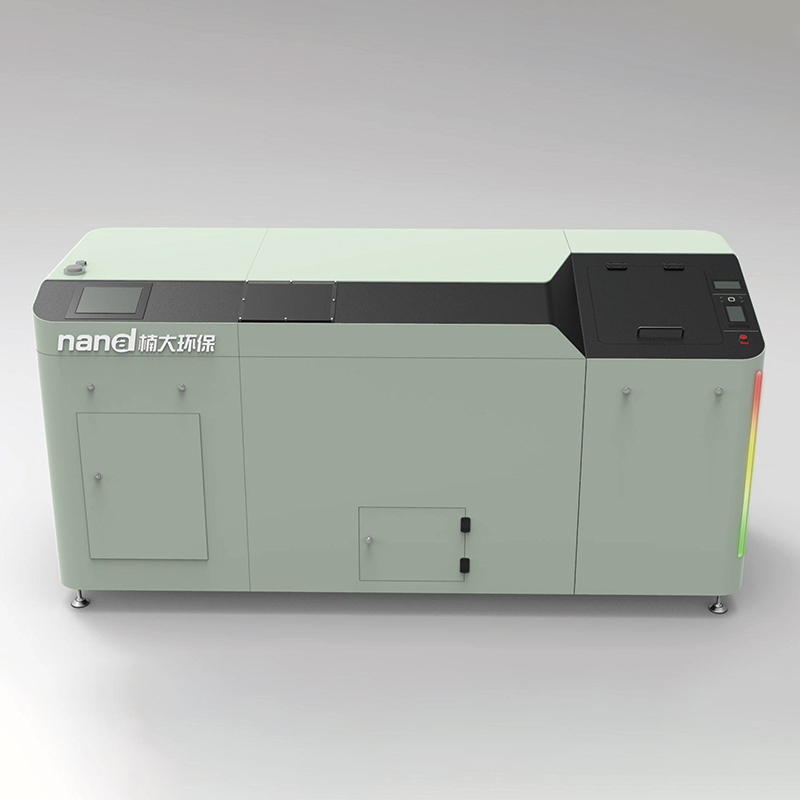 Nanda Trans Series-200
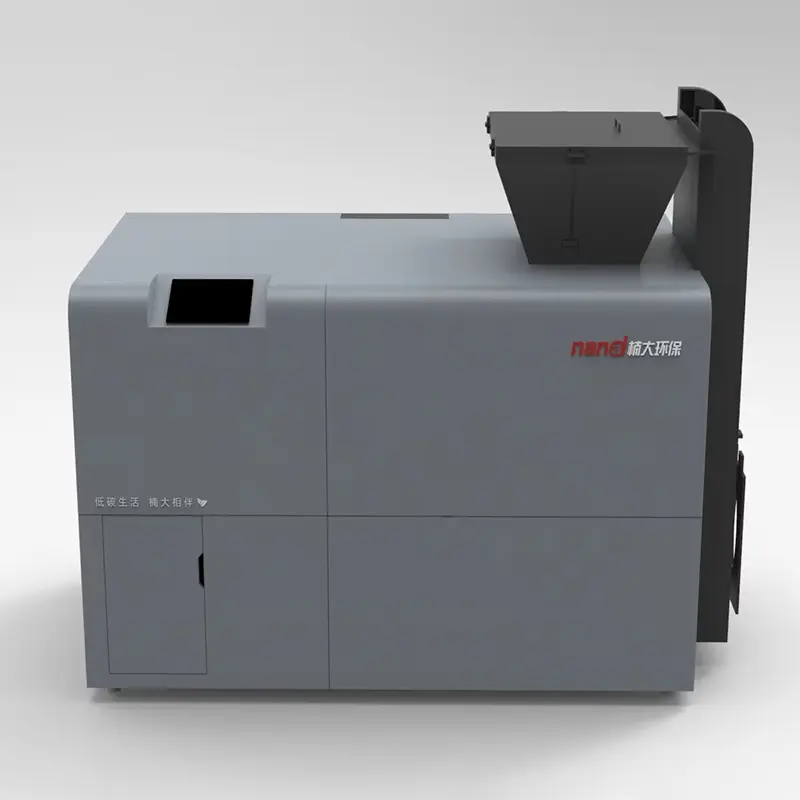 Nanda Trans Series-500
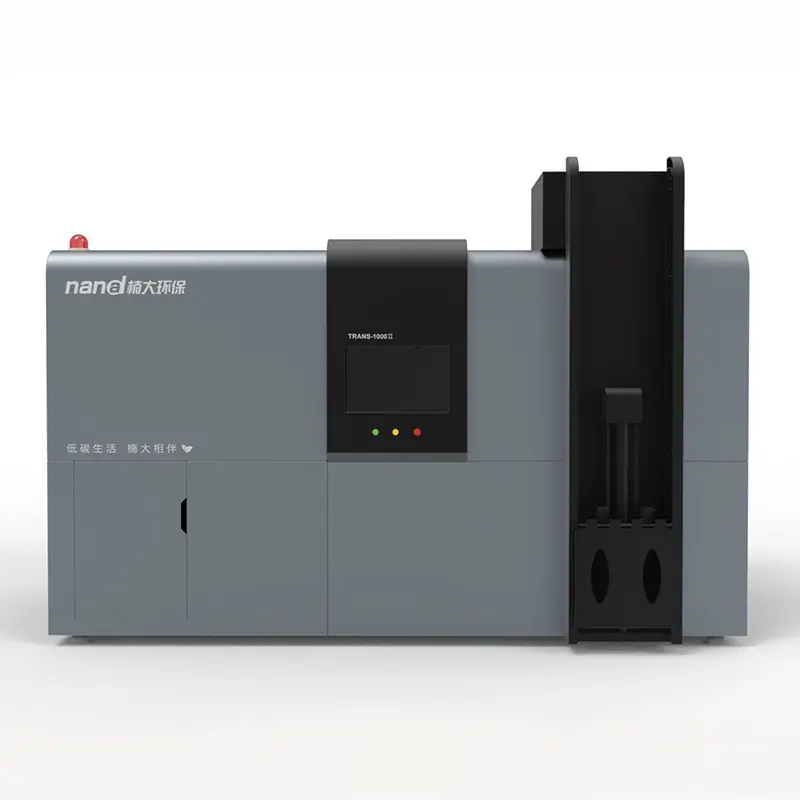 Nanda Trans Series-1000
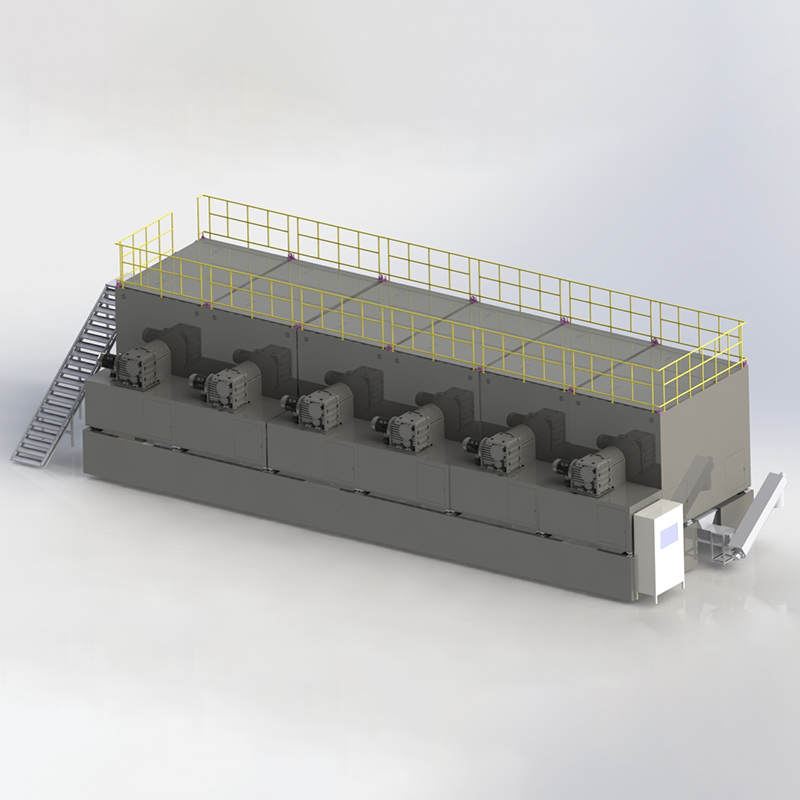 Nanda Trans Series-30000
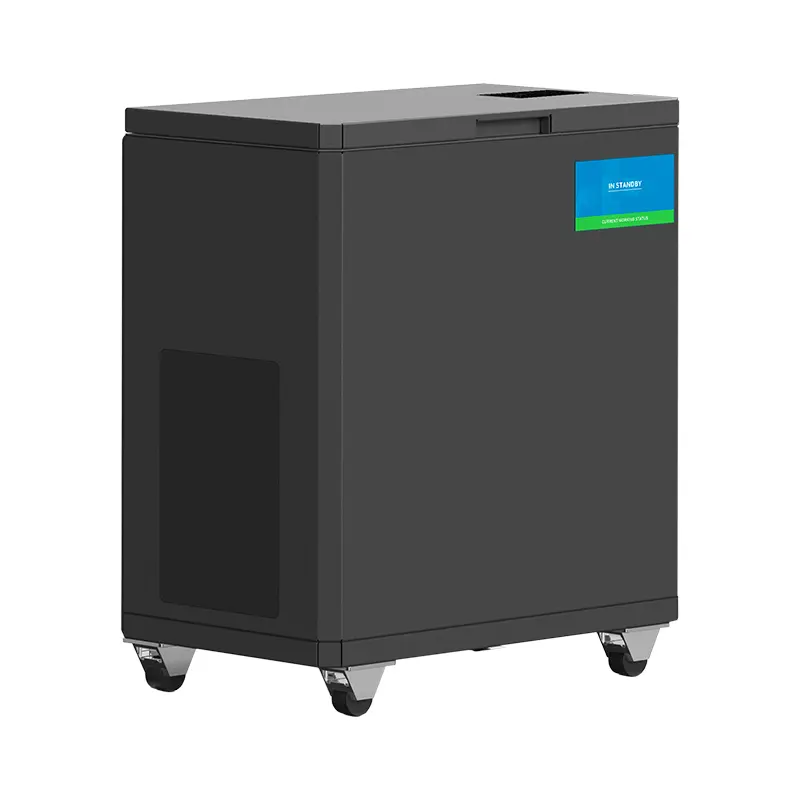 Nanda Thermax Series-100
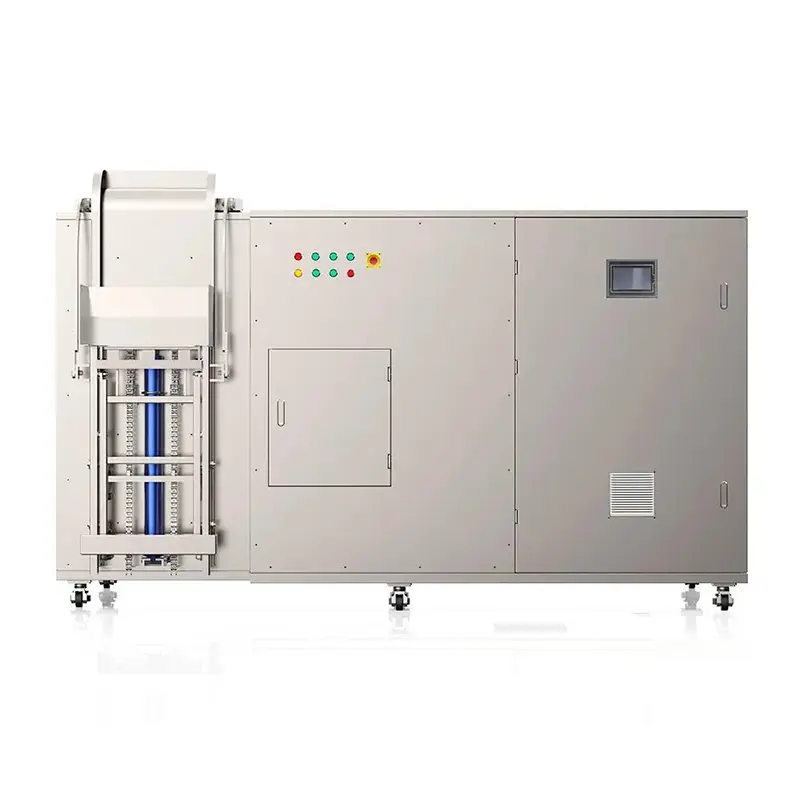 Nanda Thermax Series-200
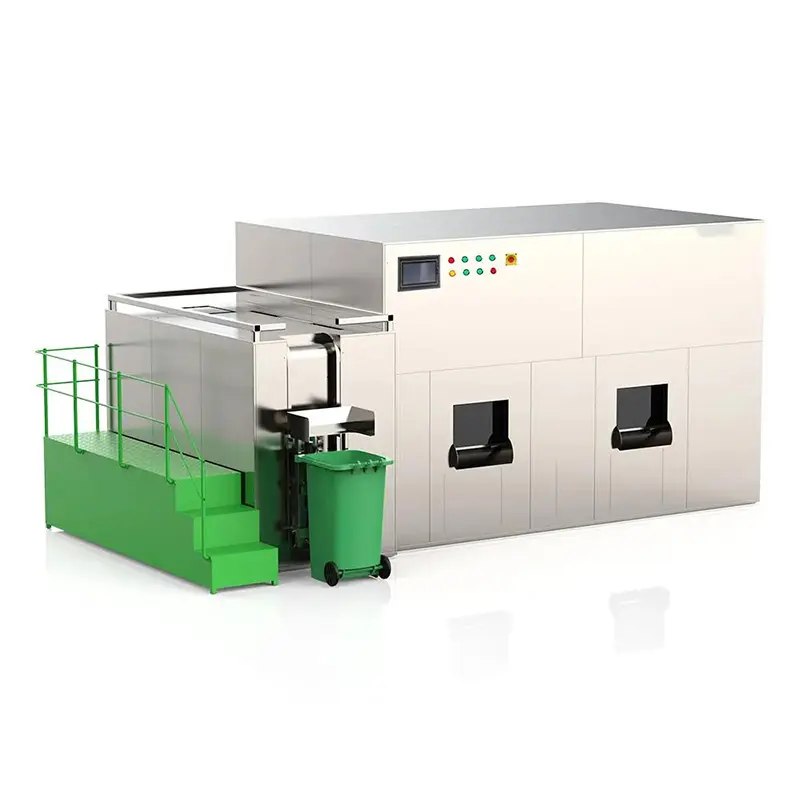 Nanda Thermax Series-2000
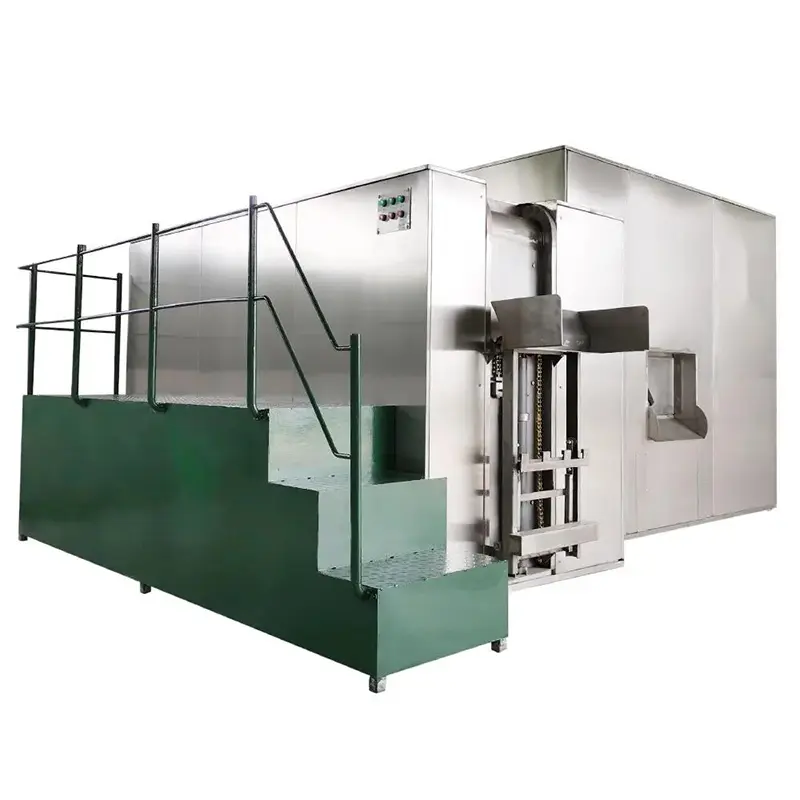 Nanda Thermax Series-10000
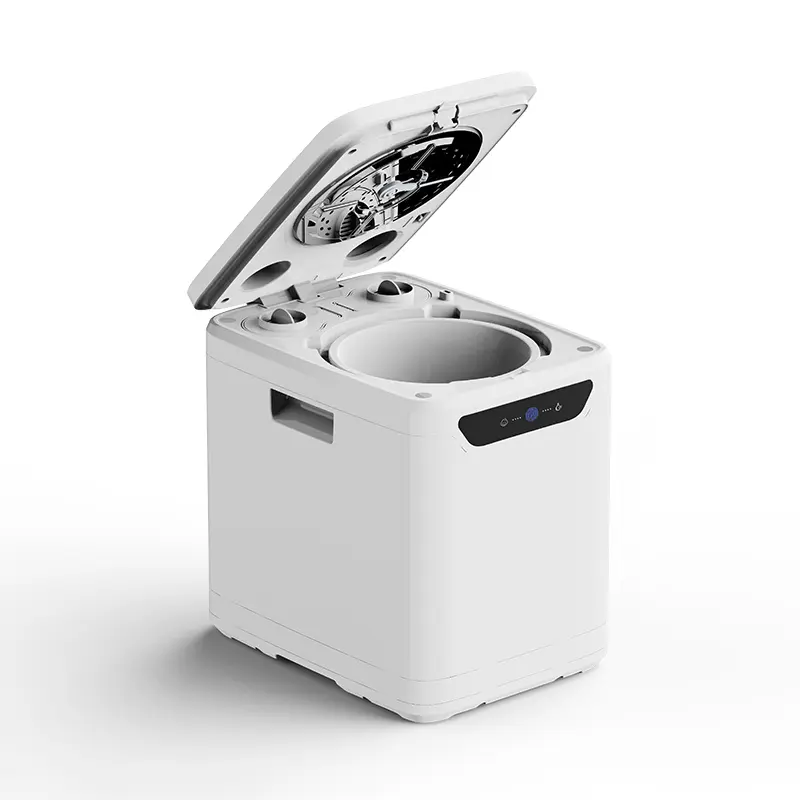 Nanda Turbo Series-3.5L-016
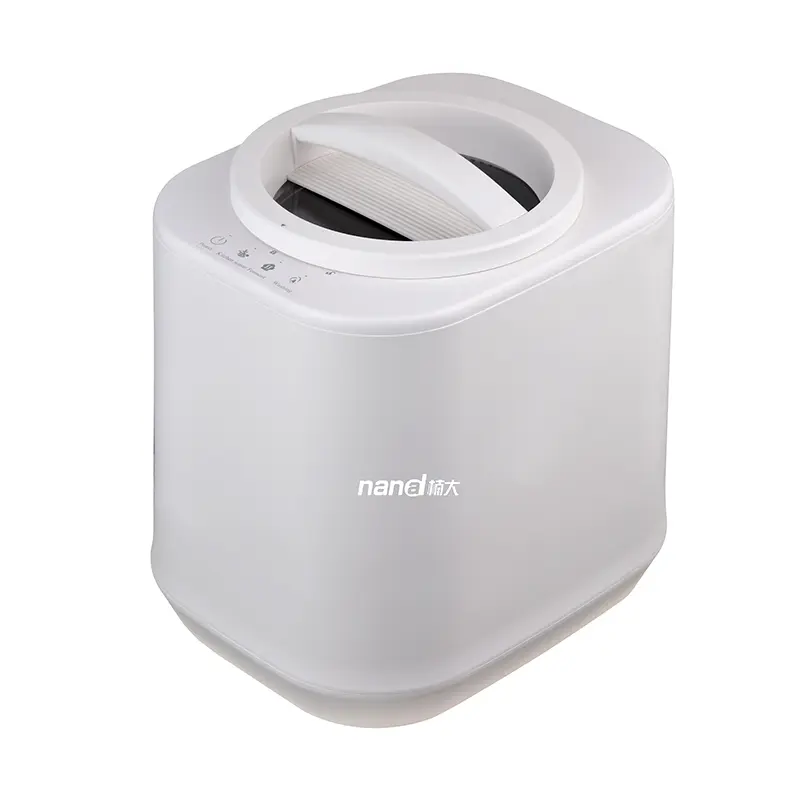 Nanda-Turbo Series-4L-011
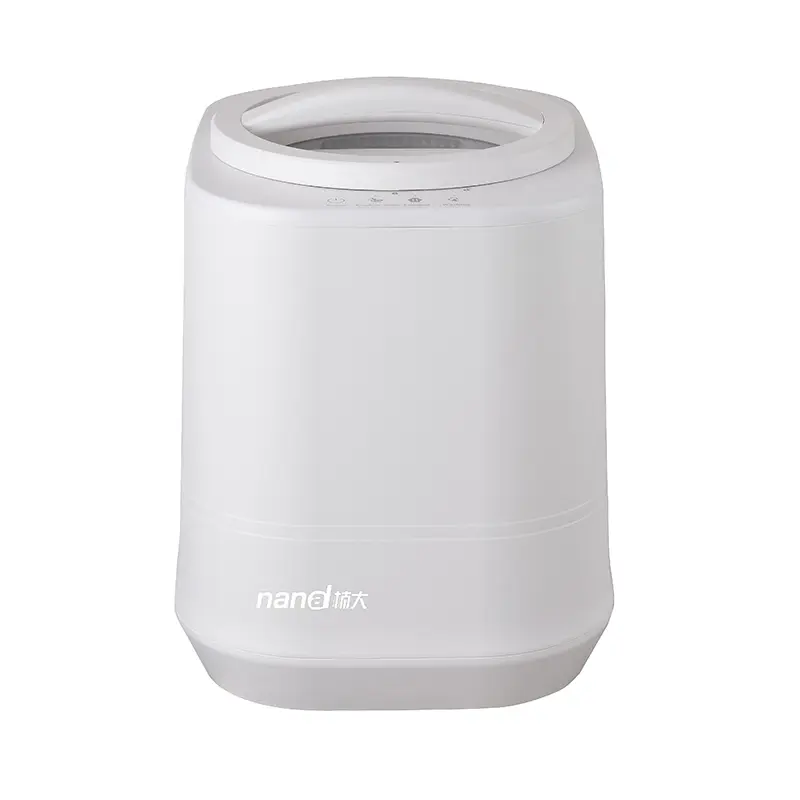 Nanda Turbo Series-4L-012
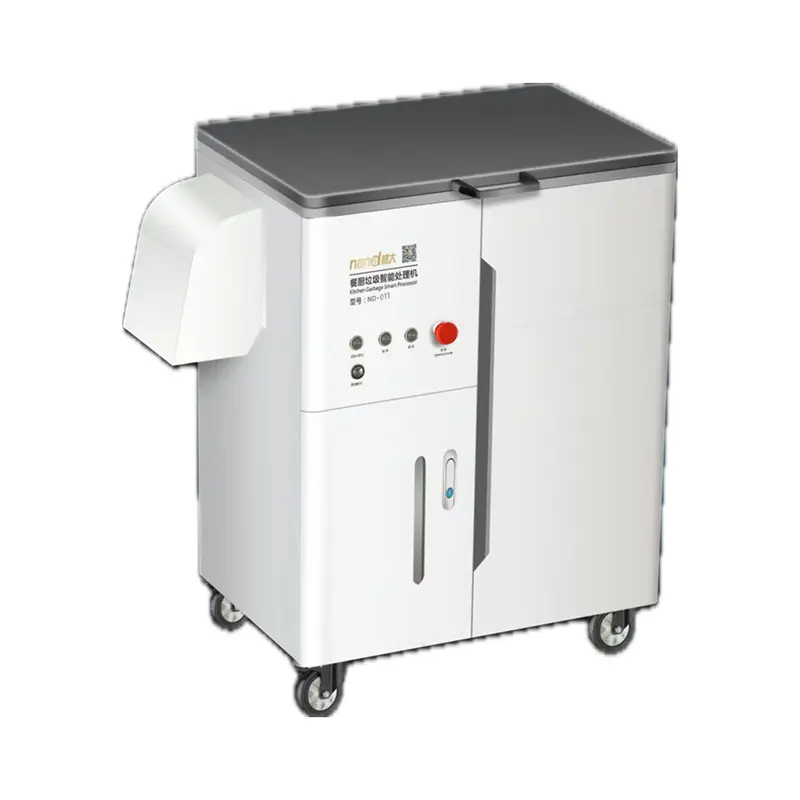 Oil-Water Separator